Kenya, like much of the world, faces an escalating climate crisis.
This is evident in the extreme weather changes such as drought, floods and heatwave increase in both frequency and intensity.
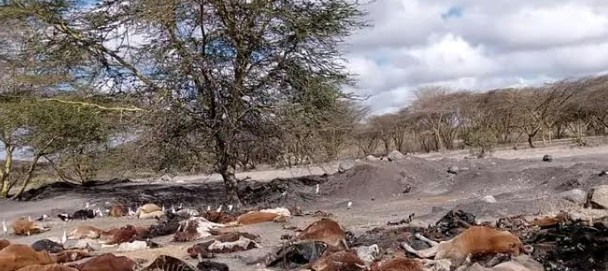
According to the National Drought Management Authority report (NDMA), Kajiado County lost 38.8 per cent of its livestock population. That is 252,592 out of 652,856 between September and November 2022 alone.
This was largely predominant in the larger Northern and Southern Matapato, Kajiado Central and Iloodokilani, and Kajiado West, respectively.
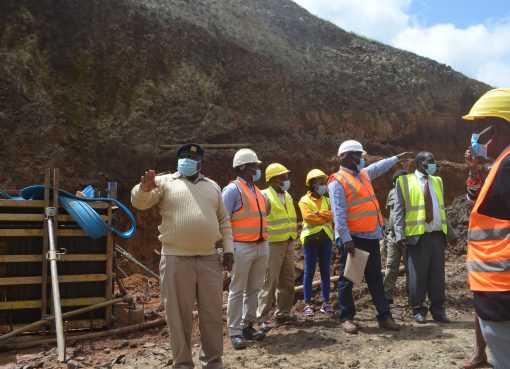
In recent efforts to combat climate change, the Meteorological Department organised a three-day conference in conjunction with its partners Heifer International and Action Aid Kenya to sensitise crop farmers and livestock keepers on climate change, its effects and the importance of collecting accurate data on weather forecasts.
Speaking at the conference, the County Director of Meteorological Services, Benson Lubang’a, emphasised that accurate weather forecasts and timely weather alerts could mean the difference between life and death.
The Director revealed that there were few data collection centres and advocated for the creation of more to boost the accuracy of weather forecasts in the county.
“We currently have 9 data collection centres in the county, which is a very small number considering the role they play in weather forecasts. We need to increase that number to at least 25 data collection centres, allocating at least one for each ward,” said Lubang’a.
Currently, the weather forecast is highly dependent on data from the Automatic weather station and the downscale forecast from the National Forecast
Lubang’a highlighted the extreme weather changes as a result of climate change and its impact on pastoralist communities in Kajiado.
“We are calling upon stakeholders to partner together on matters such as climate change and data collection. Kajiado County lost approximately 50 per cent of livestock during the 2020-2022 drought period. That is Sh200 million in market value of livestock,” he said.
A member of the Iloodokilani Women Network, Jemimah Samperu, spoke about how the Maasai Community was able to predict weather changes through traditional specialists such as the rainmakers.
She also acknowledged how that practice has since faded with time due to climate change prompting extreme weather changes.
“We as a community can no longer predict change in seasons like we used to. This brings challenges in correlation to how our source of livelihood is dependent on this practice. I ask that we consider data collection as an alternative way to protect our way of life,” says Samperu.
She thanked ActionAid for their relentless efforts in sensitising and empowering women in the community down to the villages on matters of climate change, its effects and how to navigate a dynamic era.
She urged everyone to carry forward the information on climate change and data collection back to the community, especially in chief barazas, in a step to encourage participation in climate change forums.
By Lauryn Nailantei