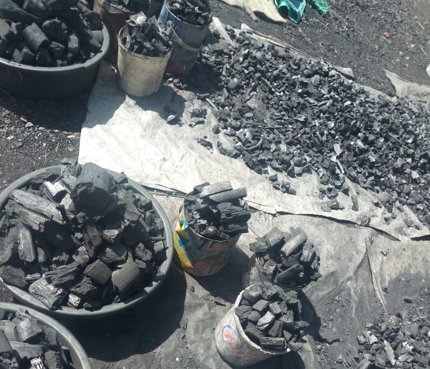
A strong call has been made to industries that rely on firewood in their production processes across the country to step up tree-planting efforts as a way of curbing deforestation and mitigating the adverse effects of climate change.
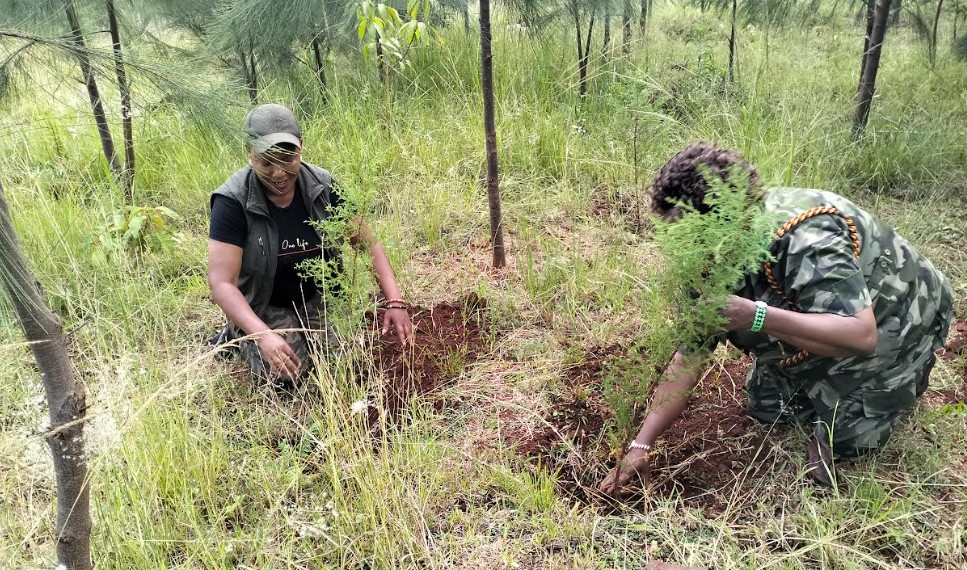
The call has been made by stakeholders from the Women in Climate Change Organization (WICCO), a non-governmental organisation, during a tree-planting exercise held at Murang’a Main Prison.
The stakeholders emphasised the need for clear policy structures that would compel individuals and industries cutting down trees to not only replace them but also ensure the planted trees grow to maturity.
They noted that such measures would greatly support the government’s ambitious plan to plant 15 billion trees by the year 2032, aimed at restoring forest cover and strengthening climate resilience.
As part of the exercise, WICCO planted 2,000 trees within Murang’a Prison and also established two kitchen gardens and successfully trained Prison Trainers of Trainers (TOTs), who will now pass on practical kitchen gardening skills to inmates and other officers.
WICCO Chairperson Diana Muthoni said the initiative was designed to promote sustainability, rehabilitation, and long-term skills transfer.
“We grow trees and encourage pure organic farming of vegetables. Those who are here will leave someday, and as such, they should leave with skills they can apply at home,” she said.
She warned that climate change effects are already being felt across the country, citing changing rainfall patterns and prolonged dry spells.
“We have seen the adverse effects of climate change, so we must be armed. Let us grow trees and fruits and also focus on drought-resistant varieties because rainfall patterns have changed,” she added.
Ms Muthoni challenged industries to take greater responsibility for environmental conservation.
“To the industries, let there be a policy. If they cut 500 trees, they should plant and grow over 1,000 trees so as to restore our forest cover,” said Muthoni.
“Tree planting, environmental stewardship, and responsible behaviour are collective duties that require participation from individuals, institutions, and industries alike,” she reiterated.
Murang’a Main Prison Officer in Charge CP Rosemary Njenga said environmental conservation should be embraced by everyone, including correctional institutions.
“As the Prison Department, we are not only planting trees but also growing them. Together with our officers and inmates, we focus on nurturing and caring for the environment,” she said.
She revealed that the prison runs three nurseries that supply seedlings for internal use, sale, and donation to other institutions.
“We also impart skills in tree growing and horticulture. We grow kale to sustain ourselves, and the kitchen gardens will supplement what we already have. The inmates will leave here with valuable skills,” she noted, adding that.
“The initiative aligns with broader efforts to integrate environmental conservation with rehabilitation programmes, ensuring inmates acquire practical knowledge that can help them earn a living after release,” she added.
By Florence Kinyua