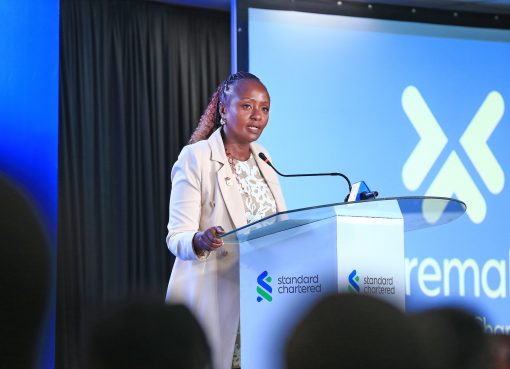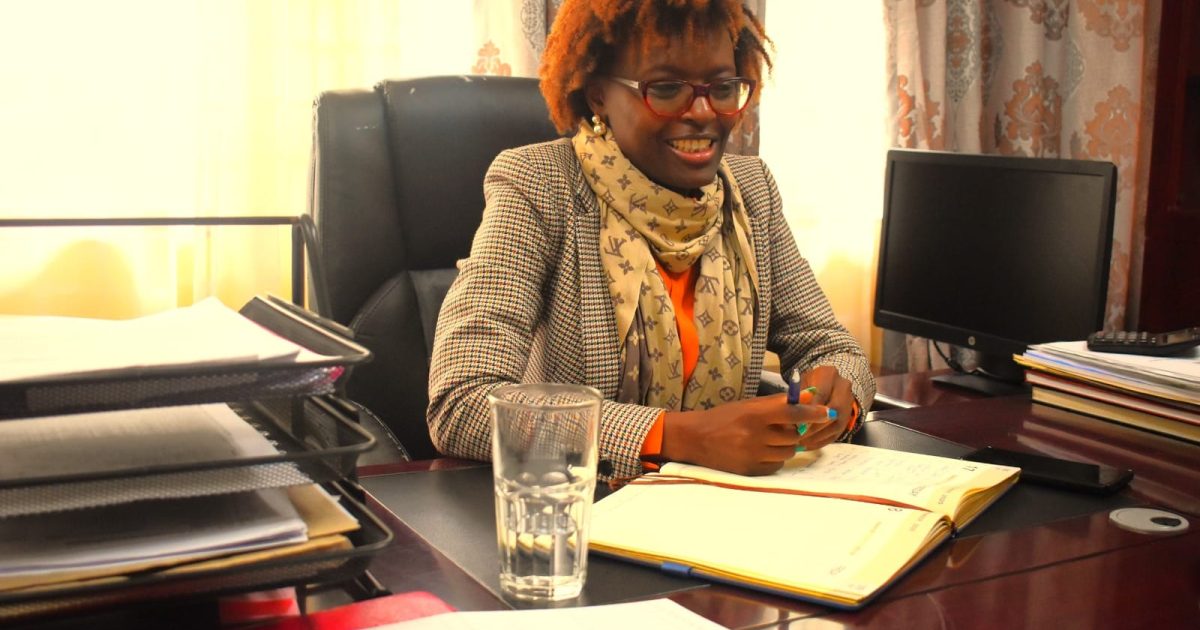
Children living in slums are more likely to be subjected to gender-based violence (GBV) than those living in formal homes, Nyeri CECM for Gender, Esther Ndung’u has noted.
Appearing on GTN TV on Tuesday, Ndung’u blamed poverty and illiteracy for the rising number of cases of children being abused in the county.
The CECM termed Majengo and Kiawara slums located on the outskirts of Nyeri town as among areas reporting high incidences of GBV being meted against both boys and girls. She said many cases were unreported due to conspiracy of silence between perpetrators and the parents of victims.
“When we talk about Gender Based Violence in Nyeri, our focus is now shifting to the informal settlements where the practice is becoming more prevalent by the day. Many children are being abused in these places but few of such cases are being reported to the authorities leaving the victims to suffer the consequences alone,” she said.
“As a department we want to visit these slums and talk to some of these teenage mothers on how they can report gender-based violence to the relevant authorities and in the process safeguard others from similar atrocities,” she stressed.
Ndung’u also advised men who feel threatened by their spouses not to shy away from seeking help from relevant authorities warning that many battered men are suffering in silence due to fear of societal stigma.
She says the crisis on GBV has been exacerbated by online cyberbullying where underage girls and boys are being lured into sexual escapades by criminals via digital platforms.
And to address the problem of GBV in the county, the government working with state and nonstate actors was coming up with policies and mechanisms that will ensure victims are able to access care and justice.
“Since 2021 we have been working with 40 organizations under the auspices of the Technical Working Group to arrest this challenge of Gender Based Violence in the community.
This group is multi-sectoral and includes officials from Judiciary, the National Police Service, Probation Services, Prison Service, faith-based organizations and civil Societies,” pointed out the CECM.
“We meet quarterly and analyze how far we have progressed as far as dealing with the issue of Gender Based Violence is concerned. From these deliberations we are able to come up with the most plausible referral pathway including advising victims on medical care and legal redress,” Ndung’u stated.
In 2024, at least 50,000 women and girls are said to have been killed by intimate partners or family members globally according to a joint report by the United Nations Office on Drugs and Crime (UNODOC) and UN Women released on November 24 2025.
The report further states that in the same year, a total of 83,000 women and girls lost their lives through intentional killing-translating to one death in every 10 minutes.
Comparatively, only 11 percent of male homicides were perpetrated by intimate partners or family members during the same period.
Shockingly, the report cited, homes as the most likely place for the majority of all reported GBV cases and deaths.
“The home remains a dangerous and sometimes lethal place for too many women and girls around the world. The 2025 femicide brief provides a stark reminder of the need for better prevention strategies and criminal justice responses to femicide, ones that account for the conditions that propagate this extreme form of violence,” stated John Brandolino, acting Executive Director of UNODC through a press release.
The report also estimated that the highest rate of femicide by an intimate partner or family member was in Africa (3 per 100,000 women and girls), followed by the Americas (1.5), Oceania (1.4), Asia (0.7) and Europe (0.5).
This year’s campaign will be focusing on ending digital violence against all women which has been cited as one of the fastest emerging forms of abuse globally.
Digital gender based violence includes cyber bullying, stalking, gendered disinformation, deep fakes and non-consensual sharing of intimate images.
The 16 days of Activism against Gender-Based violence this year is led by the UN Women under the ‘UNITE to End Violence against women initiative’.
The campaign runs from November 25 to December 10 connecting with the International Day for the Elimination of Violence against Women and Human Rights Day.
The global theme for this year is UNITE to End Digital Violence against All Women and Girls”.
By Samuel Maina