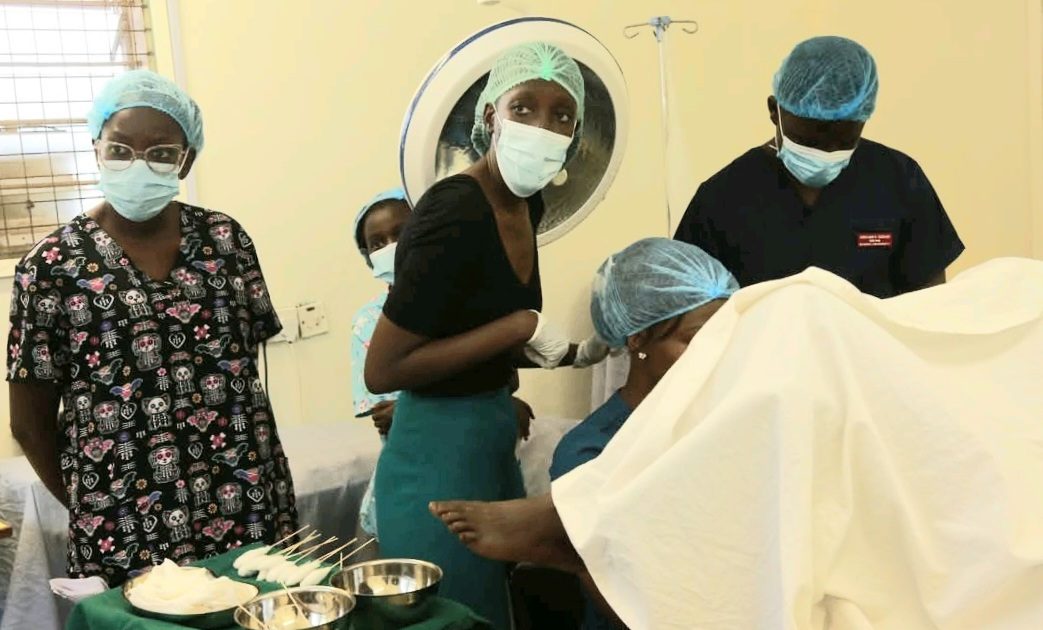
Along the bustling hospital corridors of Jaramogi Oginga Odinga Teaching and Referral Hospital (JOOTRH), one room stands out not for its size, but for the lives it protects. Known simply as Room 16, the clinic has become a critical checkpoint in the fight against cervical cancer in western Kenya.
Each week, roughly 50 women walk through its doors for screening, diagnosis or treatment. As the region’s top referral hospital, JOOTRH uses the unit to focus on secondary prevention detecting Human Papillomavirus (HPV) infections early, before they progress into cancer.
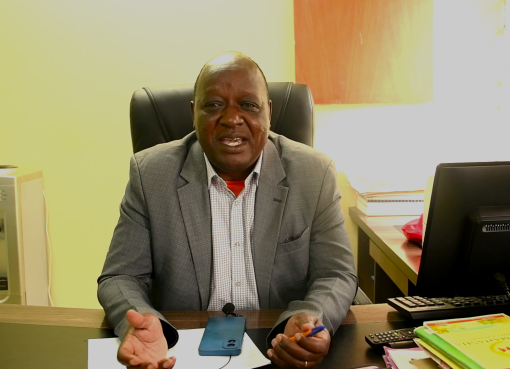
“Cervical cancer is one of the few cancers where prevention truly works. When abnormalities are detected early, we can intervene and stop the disease long before it becomes life-threatening,” says Dr. Jackton Omoto, a gynecologic oncologist at the facility.
Cervical cancer remains one of the leading causes of cancer-related deaths among Kenyan women, largely because many patients seek care when the disease is already advanced. Early screening remains the most effective way to reverse this trend. To manage demand while maintaining quality care, Room 16 operates on a fixed schedule.
Screening clinics are held on Tuesdays and Thursdays, while the remaining weekdays are dedicated to bookings and follow-up appointments. The arrangement allows clinicians to attend to patients without overcrowding.
According to Dr. Karen Otado, a registrar at the unit, the clinic is designed to offer comprehensive services under one roof. “We conduct screening using Visual Inspection with Acetic Acid (VIA), Pap smear tests and biopsies for further laboratory analysis. What sets this clinic apart is that women who qualify for treatment can receive it immediately,” she said.
For patients diagnosed with precancerous changes, the clinic offers minimally invasive procedures including thermal ablation, which uses controlled heat to destroy abnormal tissue, and the Loop Electrosurgical Excision Procedure (LEEP), where affected cells are removed using a fine wire loop.
These services are provided in line with Ministry of Health guidelines, which recommend screening every five years for HIV-negative women and every three years for women living with HIV, who face a higher risk of persistent HPV infection.
Beyond medical care, the clinic also places strong emphasis on counselling and patient education, an approach healthcare workers say is key to breaking fear and misinformation around cervical cancer.
“Many women arrive anxious and uncertain,” says Nurse Ashley Otieno. “We take time to explain what the tests mean and reassure them that cervical cancer is preventable. When they return for follow-up visits healthy and confident, it reminds us why this work matters.
As the country marks Cervical Cancer Awareness Month in January, JOOTRH is encouraging women to take advantage of screening services and vaccination programmes.
Health experts insist that with early detection, cervical cancer does not have to be fatal. Inside Room 16, that message is being translated into action through timely screening, early treatment and steady reassurance offering women a chance at healthier futures and rewriting the cervical cancer narrative, one patient at a time.
By Chris Mahandara