The World Health Organization (WHO) has called on countries to invest in health systems and support breastfeeding mothers.
As the world commemorates the World Breastfeeding Week that is held annually from August 1st to 7th, WHO Director-General Dr. Tedros Adhanom Ghebreyesus and UNICEF Executive Director Catherine Russell, in a statement, has termed investing in breastfeeding as an investment in the future.
In many countries, the statement says, health systems are too often under-resourced, fragmented, or poorly equipped to deliver quality, consistent, evidence-based breastfeeding support.
“Investment in breastfeeding support remains critically low even though every dollar invested generates Sh4,500 (USD 35) in economic returns,” WHO says.
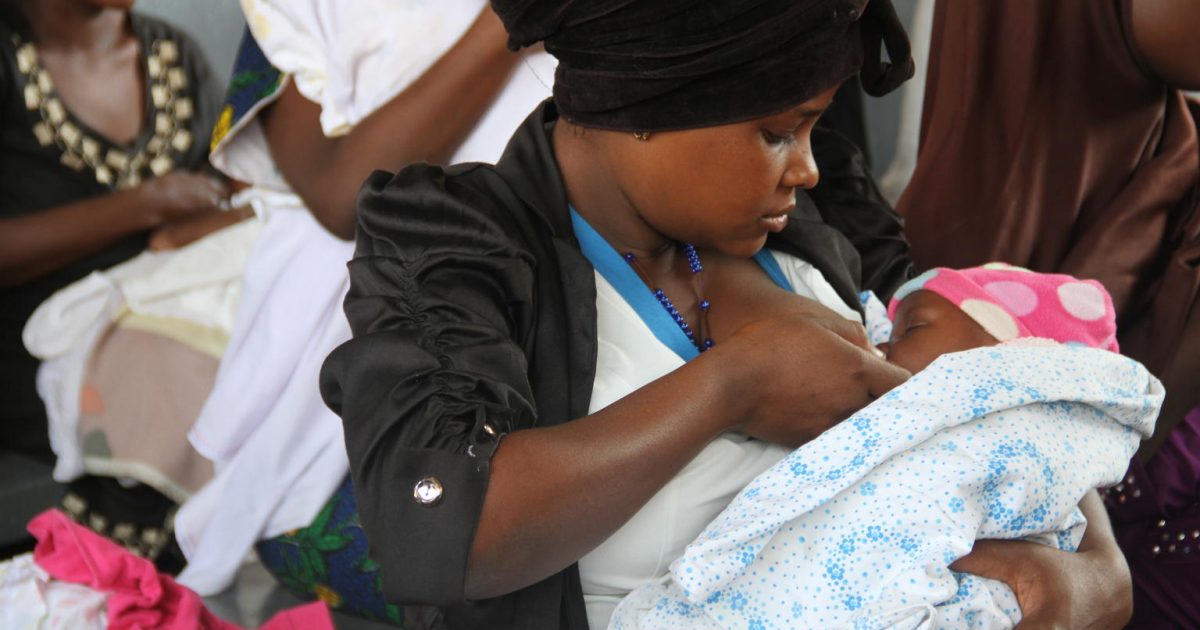
Breastfeeding is one of the most effective ways to ensure a baby’s health, development, and survival in the earliest stages of life. It acts as their first vaccine, providing protection against diseases including diarrhea and pneumonia.
“Only 48 percent of infants under six months are exclusively breastfed, and this is well below the World Health Assembly target of 60 percent by 2030, and this is all due to the overlapping challenges for new mothers, health workers, and health systems,” the statement said.
According to the WHO, millions of mothers around the world do not receive timely and skilled support in a healthcare setting when they need it most.
Only a fifth of countries include infant and young child feeding training for the doctors and nurses who care for new mothers, and this means the majority of the world’s mothers leave hospitals without proper guidance on how to breastfeed their babies and when to introduce complementary feeding.
Nationally, the celebrations to mark the World Breastfeeding Week are taking place in Rongo, Migori County, geared towards promoting and prioritizing breastfeeding for the well-being of the children.
Kenya has made remarkable progress in promoting breastfeeding and between 2003 and 2022, exclusive breastfeeding in the first 6 months increased from 13percent to 60percent, surpassing the World Health Assembly’s target of at least 50% by 2025 and exceeding the 2023 global average of 48percent.
According to the Kenya Demographic and Health Survey 2022, nearly all (98percent) children born in the 2 years before the survey were breastfed. Sixty percent of children are put to breast within 1 hour of birth, while 83percent of children are exclusively breastfed for the first 2 days after birth.
The country is also among the first countries in the African region to legislate and offer clear guidelines on when to offer breast milk substitutes, through the Breast Milk Substitutes (Regulation and Control) Act of 2012.
This year’s World Breastfeeding Week is running under the theme “Prioritize breastfeeding: Create sustainable support systems.”
WHO and UNICEF are calling on governments, health administrators, and partners to invest in high-quality breastfeeding support by ensuring adequate investment in equitable, quality maternal and newborn care, including breastfeeding support services; increasing national budget allocations for breastfeeding programmes; and integrating breastfeeding counselling and support into routine maternal and child health services, including antenatal, delivery, and postnatal care.
They have also called on countries to ensure all health service providers are equipped with the skills and knowledge required to support breastfeeding, including in emergency and humanitarian settings; strengthen community health systems to provide every new mother with ongoing, accessible breastfeeding support for up to two years and beyond; and protect breastfeeding by ensuring that the International Code of Marketing of Breast-milk Substitutes is applied in all health facilities and systems.
“Strengthening health systems to support breastfeeding is not just a health imperative; it is a moral and economic imperative. WHO and UNICEF remain committed to supporting countries to build resilient health systems that leave no mother or child behind,” the joint statement said.
By Wangari Ndirangu