The Independent Policing Oversight Authority (IPOA) has admitted it is overstretched and lacks sufficient investigators, even as families of victims of enforced disappearances accused the agency of failing to act on their cases despite formal reports being lodged.
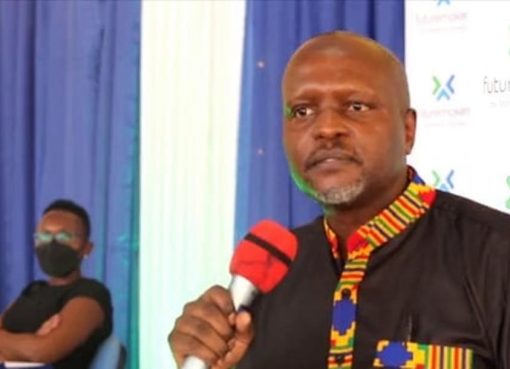
Speaking in Mombasa during a community dialogue organised by Missing Voices to mark the International Day of the Victims of Enforced Disappearances, IPOA Chairperson, Ahmed Issack, acknowledged the institution’s inadequate resources and manpower shortages but reaffirmed its commitment to pursuing justice.
“IPOA is committed to ensuring justice for families whose loved ones were unlawfully killed by police or have disappeared,” said Ahmed.
He disclosed that IPOA currently has only 77 investigators against a required total of 440 officers, describing the shortage as a major obstacle in handling the growing number of cases.
“On one hand, police officers complain that they cannot work because they fear IPOA, and on the other hand, the public says IPOA is doing nothing. But IPOA will remain independent and pursue justice,” Ahmed stated.
He revealed that several case files, including those arising from the Gen Z protests and anti-Finance Bill demonstrations, had been investigated and forwarded to the Office of the Director of Public Prosecutions (ODPP). However, some files were closed due to lack of cooperation from victims’ families.
“I urge families to work with IPOA so that we can build a country and a government that respects the rule of law,” he said.
During the forum, several families shared harrowing accounts of relatives abducted in broad daylight or taken from their homes, never to return.
Haki Africa Executive Director Yusuf Abubakar said more than 100 people have been killed or disappeared unlawfully in recent years.
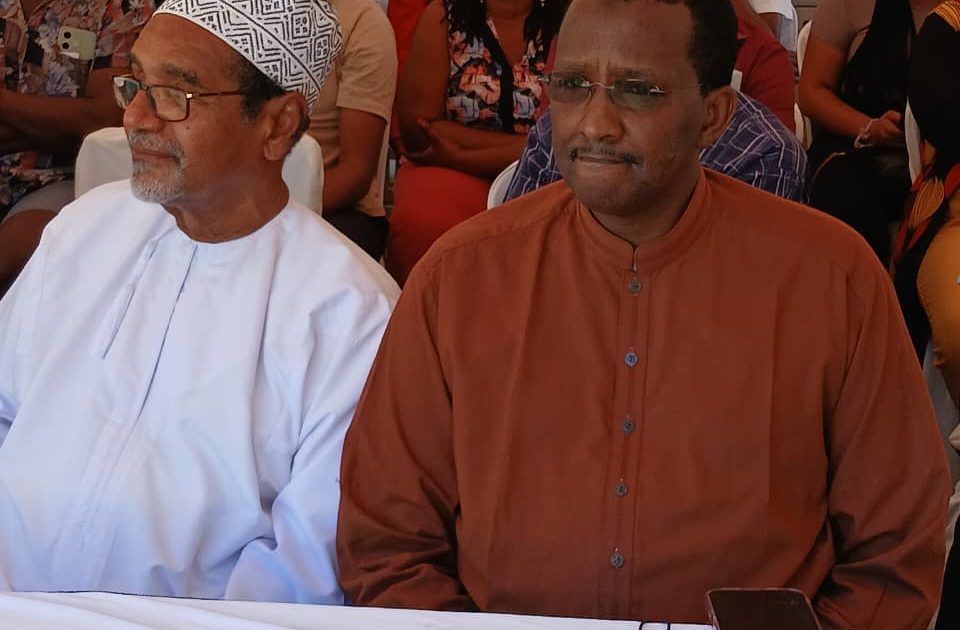
Other speakers, including Muhuri Board Chair, Khelef Khalifa, and Amnesty International Executive Director Irungu Houghton, called for political accountability, judicial independence, and sustained public pressure to end extrajudicial killings and disappearances.
“Compensation and reparation are legitimate demands, but they must not be traded for justice. Officers found guilty must face criminal liability,” Houghton warned.
The dialogue ended with renewed calls for transparency, accountability, and urgent reforms to end enforced disappearances in Kenya.
By Mohamed Hassan