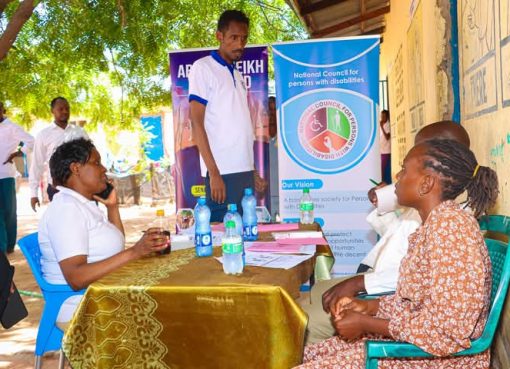
Journalists from Elgeyo Marakwet County have undergone training on gender and ethical reporting, focusing on Gender-Based Violence (GBV) and sensitivity in language use and desirable reporting approaches that protect victims and promote justice.
Speaking during the training held in Iten, the County Director for Gender, Joseph Amuke, emphasized the importance of going beyond the baseline reporting of GBV incidents to include underlying factors as well as court follow-ups and outcome reporting.
“GBV is a sensitive issue,” said Amuke. “Let us talk about what is important and leave out distracting details. Don’t sensationalize GBV stories. Our role is to inform and protect, not to expose and exploit.”
He urged journalists to keep the identity and sensitive information about victims out of their publications, noting that failure to do so often causes more harm than good.
“Language matters,” he added. “Using the local dialect when reporting GBV stories makes the message more relatable and impactful, especially for victims and survivors within the community.”
Joel Muriithi, a gender and child protection expert from the Gender Violence Recovery Centre, echoed Amuke’s sentiments. He reminded media practitioners of their vital role in driving change through their work.
“Journalists must raise awareness, educate the public, hold institutions accountable, and challenge harmful societal norms,” Muriithi said. “There are many forms of abuse, and women make up a high number of economic abuse victims.”
He further noted that economic abuse is rampant yet often goes unreported or misunderstood.
“Men rarely report cases of sexual abuse, and for children, in most sexual abuse cases, the perpetrators are known to them,” he pointed out.
The training sought to equip journalists with the skills and ethical standards required to report on GBV in a manner that supports victims, promotes justice, and contributes to long-term societal change.
By Rennish Okong’o