Although the county boasts having the largest livestock population in the country, the pastoralists’ future faces challenges, including diminishing returns.
Climate change has, over the years, contributed to losses for the pastoralists as their economic mainstay becomes more and more unreliable.
This is compounded by conflicts over water and pasture that threaten the livelihoods of pastoralists.
In addition, fodder shortage is a headache that livestock farmers have to grapple with. This has contributed to low production of milk and meat, leading to shrinking incomes.
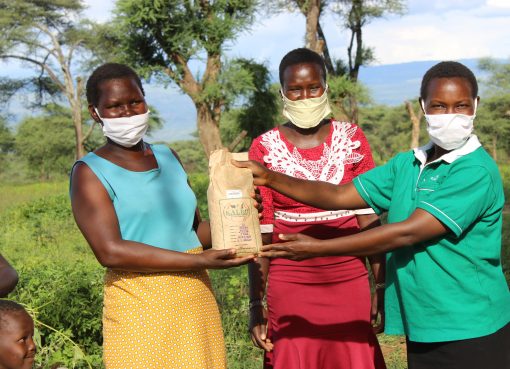
To address the fodder shortage, a magic grass called Juncao Grass is proving to be a game changer for livestock farmers. The grass is gaining traction among farmers due to its high production per acreage and rich nutritional value.
A tour of a 50-acre grass plantation established over a year ago at Nayuu, 15 kilometres from Lodwar town, is a testimony to what the grass can achieve.
Juncao Grass technology was invented by the China Society Institute after 30 years of research and studies. It was promoted by UNDP, among other international bodies, as a new technology solution for Africa’s poverty eradication.
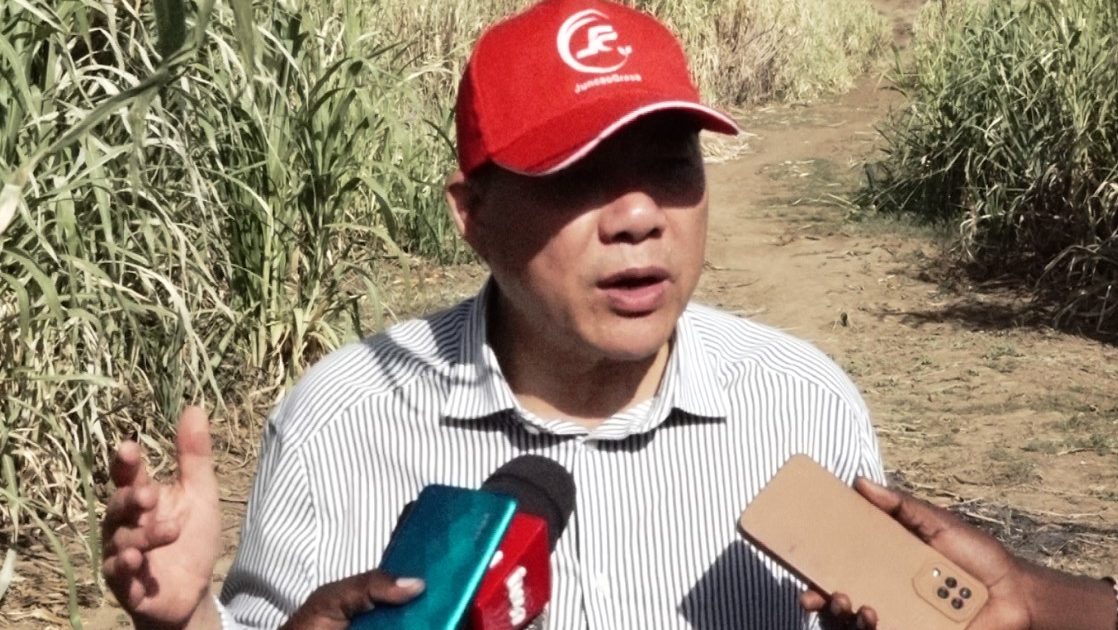
According to Jack Liu, an investor in the technology, one acre of Juncao Grass produces 180 tonnes, which can feed 20 cows or 200 goats annually.
In terms of nutritional value, the grass is 16-18 per cent rich in proteins compared to maize, which is eight per cent proteins.
“The grass takes three to four months to mature. Thereafter it is harvested every two months,” says Liu.
Another advantage of the grass is that it is harvested for seven consecutive years, unlike other crops that are harvested annually and replanted.
The grass contains seven per cent sugar molasses, making it possible for it to produce silage without adding molasses.
After two weeks, the fermentation process is complete and the silage can be preserved for two or three years.
After crushing, it can also be used as a substrate for mushrooms, which have 49 per cent more protein than white and red meat.
Further, the grass is a cure for desertification and degradation.
According to David Ekiru, a livestock farmer in Uasin Gishu and Baringo counties, his dairy cattle milk production has increased after he started feeding them with Juncao Grass.
He received 200 Juncao Grass cuttings from Liu, which he planted in his farm.
“Initially my friesian cows would produce 6-7 litres in the morning and four litres in the evening but now they are producing 12 litres in the morning and eight litres in the evening,” he said during an interview at Nayuu farm.
Ekiru added that the health of his cattle has improved because they don’t walk for long distances in search of pasture and water.
Natural grazing is facing challenges of declining pastures. Liu says it takes five to six years for cattle using natural grazing to mature. However, with the use of Juncao Grass, the cattle mature in 12-18 months.
While cattle under natural grazing end up weighing 200 kg, those fed with Juncao Grass weigh 400-500kg.
Elizabeth Lobur, a business lady in Lodwar, said she intends to use the Juncao Grass technology to process juncao pellets.
Liu says the market for fodder is huge.
“We are calling on the public to embrace Juncao Grass technology to address fodder shortages now and in the future,” Liu said.
The UN has promoted the grass in over 100 countries; additionally, the Chinese government has announced Juncao Grass as a Chinese solution for Africa’s poverty alleviation.
He challenged the government to tap underground water and help production of the grass.
The World Bank and other partners will be supplying mature cuttings for the livestock farmers to address fodder shortage and increase livestock production.
With regards to pricing, farmers will be able to purchase Juncao Grass silage bag weighing 70-80 kg at Sh15 per kg compared to other silage sold at Sh50 in other parts of the country.
Lobur has committed to being one of the suppliers of Juncao Grass silage in the county.
“I want to see our farmers benefit from livestock keeping,” she says.
By Peter Gitonga