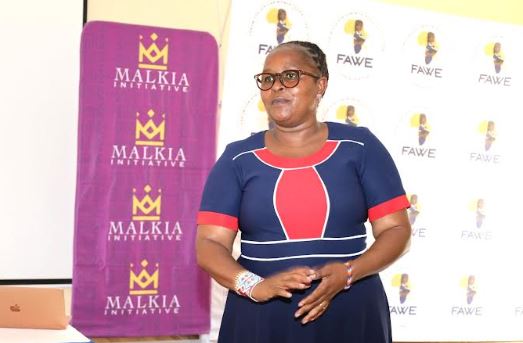
Female genital mutilation (FGM), early marriages and teenage pregnancies remain the biggest threats to the education and well-being of girls in Kajiado County, stakeholders in the child protection sector have warned.
Speaking during a child protection forum in the county, Kajiado West Children’s Officer Cosmas Karera said the rise in teenage pregnancies is alarming and continues to derail girls’ education.
“We are seeing a worrying trend where many girls are forced out of school due to early pregnancies. The situation is made worse by poverty, peer pressure, harmful cultural practices and weak parental guidance. These cases often spike during long school holidays” Karera said.
He urged parents and guardians to remain vigilant, saying protecting children is a shared responsibility. “If families and communities fail to act, then we risk losing an entire generation of girls to retrogressive practices,” he warned.
Beatrice Githinji, from the Forum for African Women Educationalists (FAWE), Kenya Chapter, noted that harmful practices continue to deny girls equal opportunities in education.
She said FAWE has introduced Tuseme Clubs in schools under the Imarisha Msichana programme to give girls a voice and a safe platform to express themselves.
“Through the clubs, girls are trained in self-esteem, leadership and decision-making. They use debates, theatre and peer mentorship to address issues such as teenage pregnancy, early marriage and FGM. In schools where the clubs are active, we have already seen cases of pregnancy drop significantly,” Githinji said.
At Lorngo’sua Secondary School, teacher Hesbon Mokua confirmed the Tuseme Clubs’ impact, saying they have transformed girls’ lives.
“We have seen girls become more confident, more responsible and even willing to return to school after dropping out due to pregnancy. For many, the clubs have been a lifeline,” he said.
Lewis Gautama, from the Malkia Initiative, called for stronger community collaboration to end harmful cultural practices. He emphasized that investing in girls’ education is the most sustainable path to development.
“Educating a girl is not just about her future; it is about transforming families, communities and the country at large,” Gautama said.
A situational analysis by FAWE under the Imarisha Msichana programme further revealed that teenage pregnancy among girls aged 15–18 stands at 27.4 per cent nationally, with Kajiado County recording an even higher rate of 35.6 per cent.
The KDHS also shows that while the prevalence of FGM among women aged 15–49 has dropped nationally to 14.8 per cent, down from 37.6 per cent in previous decades, the practice remains deeply entrenched in some parts of Kajiado.
The forum called for greater community sensitization, urging parents, teachers, religious leaders and local administrators to play a more active role in safeguarding children. Stakeholders stressed that keeping girls in school and protecting their rights is not only a family responsibility but also a collective duty vital to the country’s future.
By Rop Janet