Kenya is among nine countries selected to introduce Lenacapavir antiretroviral medication, a groundbreaking long-acting injectable pre-exposure prophylaxis (PrEP), by January 2026.
The other eight countries are Eswatini, Lesotho, Mozambique, Nigeria, South Africa, Uganda, Zambia, and Zimbabwe.
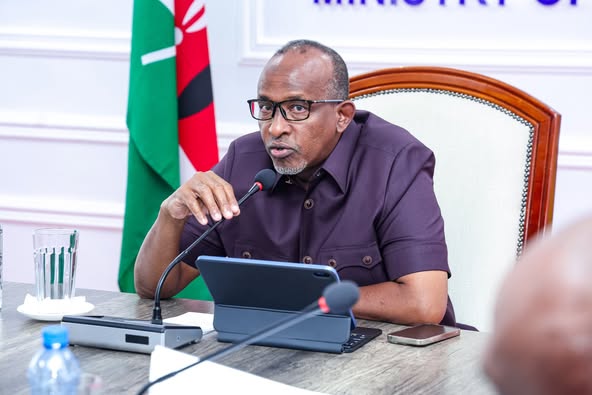
Health Cabinet Secretary Adan Duale, in a statement Tuesday, said this milestone underscores the government’s collective determination to expand access to effective, discreet, and sustainable prevention options across the region.
He added that with the current national HIV prevalence standing at 3.7 percent, 1.4 million people living with HIV, and a concerning 41 per cent of new infections among youth under 24 years, the urgency for impactful and tailored solutions has never been greater.
Lenacapavir received approval from the U.S. Food and Drug Administration (FDA) in June 2025 and has been subsequently endorsed in the updated World Health Organisation (WHO) guidelines on long-acting HIV prevention, released in July 2025.
Administered just twice a year, Lenacapavir represents a paradigm shift in HIV prevention, especially for populations vulnerable to stigma and adherence challenges.
Importantly, Lenacapavir will complement existing PrEP options, providing additional choices to meet diverse needs.
“It’s integration into our national HIV response strategy that reaffirms our commitment to equity, innovation, and community-led health solutions,” the CS said, noting that the biomedical breakthrough marks a significant milestone in Kenya’s fight against HIV, offering individuals at substantial risk a highly effective and discreet alternative to daily oral PrEP.
Duale added that the Ministry of Health has already developed an implementation plan and, through a consultative process with stakeholders, is finalising national guidelines to facilitate a smooth scale-up.
“The Ministry of Health, through NASCOP and our partners, are actively working to ensure this innovative product is accessible to Kenyans by January 2026, and we remain committed to ensuring equitable access, strengthening community engagement, and integrating Lenacapavir into our national policies to reach priority populations effectively,” the CS said.
The ministry, he added, is also mobilising the necessary systems and resources to guarantee the timely availability of the life-changing intervention.
“We call upon all stakeholders to align efforts, enhance delivery platforms, and support this transformative journey as we forge a path towards a future free of HIV,” Duale said.
Kenya has remained steadfast in its commitment to ending the HIV epidemic through innovative, people-centred approaches.
Last year, a report from the Ministry of Health showed that an estimated 1.378 million Kenyans are living with HIV, with 97 percent receiving treatment through a robust network of 3,752 treatment sites.
Kenya is also on track to meet the UNAIDS 95-95-95 targets by 2025 aiming for 95 percent of people living with HIV to know their status, 95 percent of those diagnosed to access treatment, and 95 percent of those on treatment to achieve viral suppression.
By Wangari Ndirangu