The government has underscored its commitment to securing stronger sovereign credit ratings as parts of efforts to lower borrowing costs and unlock new sources of development financing.
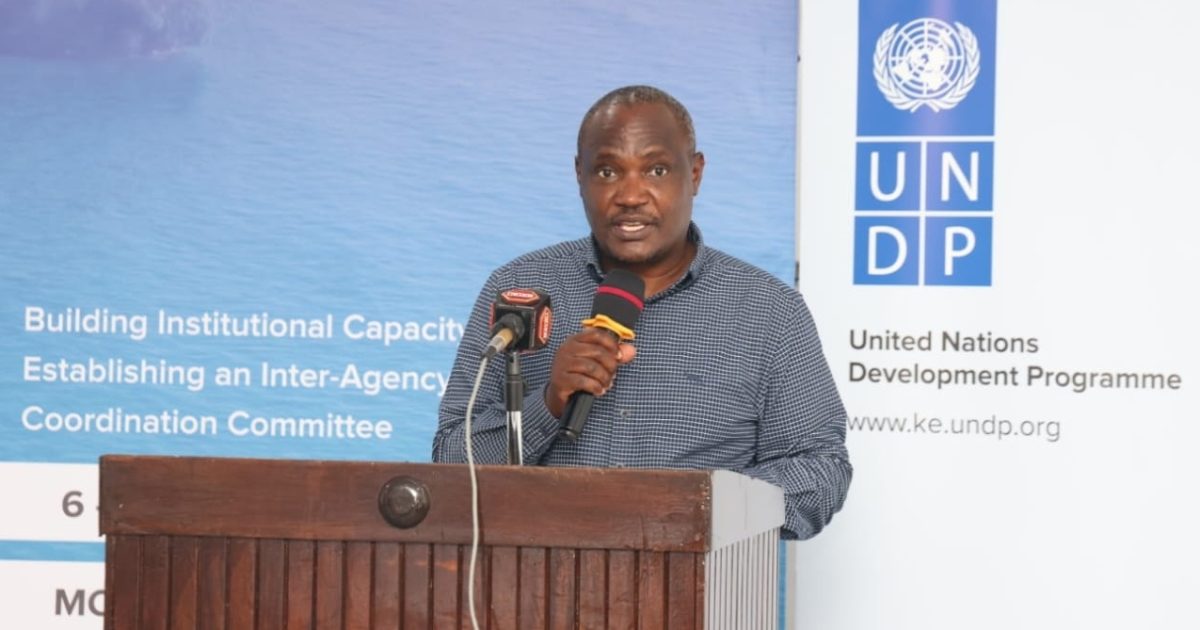
Speaking at the opening of the Credit Rating National Workshop in Mombasa, National Treasury Cabinet Secretary John Mbadi said Kenya’s stable macroeconomic outlook, revenue reforms, and fiscal consolidation efforts have created an opportune moment to deepen engagement with global rating agencies.
“The upgrade in Kenya’s credit rating demonstrates the tangible benefits of fairer assessments. It allows us to redirect scarce resources from debt servicing into critical priorities such as infrastructure, agriculture, and climate resilience,” he said.
According to the CS, Kenya’s economy grew by five percent in the second quarter of 2025, up from an average of 4.9 percent in 2024, and is projected to expand by 5.3 percent in 2026. Inflation eased to 4.6 percent in September 2025, while the Central Bank reduced its base rate to 9.5 percent in August 2025from 13 percent the previous year, reflecting monetary stability. The shilling has also stabilized at 128–130 to the US dollar since January 2024.
Public debt stood at Sh11.7 trillion (67.8 percent of GDP) as of June 2025 but is projected to decline to the debt anchor of 55 percent of GDP by 2030 through fiscal consolidation.
Mbadi stressed that ongoing fiscal consolidation, coupled with recent tax compliance reforms under the 2025 Finance Act, have boosted investor confidence and enhanced the county’s fiscal credibility.
He noted that credit ratings shape development finance by lowering perceived risk and widening financing options. He stressed the importance of transparent communication, coordinated stakeholder engagement, and a strong national narrative in defending Kenya’s ratings.
“Every basis point we save in borrowing costs translates into classrooms built, hospitals equipped, roads completed, and livelihoods improved. This is why engagement with rating agencies must be transparent, consistent and well-coordinated,” he said.
To institutionalize the process, the Treasury will establish a government-resourced Credit Rating Committee to coordinate Kenya’s approach, supported by partners including UNDP, the Government of Japan, AfriCatalyst, and the African Peer Review Mechanism (APRM). The committee will spearhead Kenya’s sovereign credit rating agenda, ensuring coordination among stakeholders and sustained engagement with global rating agencies.
He added that mobilizing innovative financing instruments such as green bonds and SDG-linked bonds would be key in bridging the country’s annual financing gap, estimated at USD 10 billion which is equivalent to Sh1.3 trillion (9 percent of GDP).
He added that the government is determined to increase its revenue to GDP ratio, which averaged 15 to 17 percent in recent years but still falls below the medium-term target of 20 percent and the East African Community aspiration of 27 percent.
“I assure you that Kenya will take full ownership of this process. Our resolve is clear, to position the country as a credible, competitive, and attractive destination for investment while ensuring every shilling delivers maximum value for our people,” he said.
The workshop, organized in partnership with UNDP, aims to build the capacity of Kenyan stakeholders to engage effectively with rating agencies through simulations and technical training, positioning the country for improved ratings and affordable financing.
By Chari Suche