Kenya has secured market access representing 46 per cent of the global Gross Domestic Product (GDP) through various trade agreements, Acting Director of External Trade Joseah Rotich has said.
Rotich said the Kenya–EU Economic Partnership Agreement (EPA), the Kenya–UK EPA, the Kenya–UAE Comprehensive Economic Partnership Agreement (CEPA), the African Growth and Opportunity Act (AGOA), the African Continental Free Trade Area (AfCFTA), the Common Market for Eastern and Southern Africa (COMESA) and the East African Community (EAC) have opened up vast markets across several regions globally.
He emphasised the need for Kenyan producers and manufacturers to leverage on these trade pacts to boost exports and drive economic growth.
“Now that we have secured these markets, we need to put in place strategies to access them by increasing our production capacity and diversifying our products to enhance competitiveness,” he said.
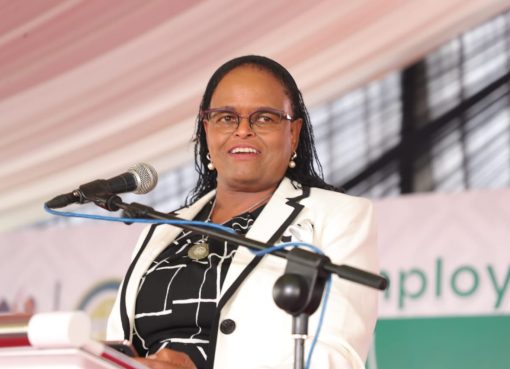
The acting director was speaking in Nairobi when he officiated a two-day sensitisation workshop for Kenya’s National Implementation Committee (NIC) on the AfCFTA implementation strategy.
Rotich termed the AfCFTA as a landmark agreement with the potential to industrialise Africa and noted that a strong NIC was essential for effective implementation of the continental agreement.
“The AfCFTA implementation strategy is the first strategy tied to a particular agreement and it will provide a roadmap on how Kenya can access the African market. For the strategy to succeed, the NIC must be equipped with the necessary tools for implementation,” he added.
The acting director stated that AfCFTA seeks not only to increase intra-Africa trade but also to enhance regional integration and underscored the need for Kenya to capitalise on the agreement by trading with the other 54 member states.
For Kenya to fully optimise the agreement Rotich highlighted agriculture, livestock and fisheries, manufacturing, mining, handicrafts, and oil and gas as some of the priority export sectors for products, particularly targeting markets in Central and West Africa.
He also highlighted business, tourism, education, cultural and sports services, ICT, transport and logistics as key service sectors with potential under the trade pact.
Speaking at the same workshop, Kenya Association of Manufacturer’s (KAM) Head of Policy and Regulatory Advocacy Miriam Bomett said sensitisation of the NIC is key to comprehensively equip members with the necessary skills and knowledge to effectively implement the AfCFTA.
“A fully informed NIC with all members understanding the implementation strategy is crucial for Kenya to utilise the continental market,” said Bomett.
She hailed the government’s efforts in opening up markets through the several trade agreements and noted that the AfCFTA, if implemented well, has the potential to increase the country’s manufacturing capacity to 100 percent.
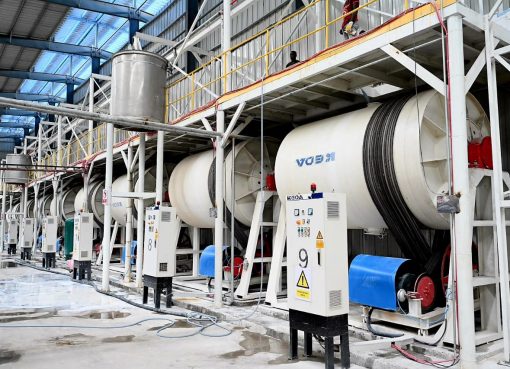
“The current manufacturing capacity lies between 40 -50 percent; the agreement, however, can revive the sector. To achieve this, collaborative efforts are required to ensure manufacturers benefit from the AfCFTA,” noted the Head of Policy and Regulatory Advocacy.
Bomett stressed the need to put in place intervention measures for successful implementation of the AfCFTA, including policy coherence, elimination of Non-Tariff Barriers, prioritisation and diversification of markets, especially in countries where Kenya lacks a competitive advantage.
She disclosed that the private sector was closely collaborating with the government to ensure that Kenyan businesses take advantage of the trade agreement.
By Joseph Ng’ang’a