The government, through the Kenya Veterinary Vaccines Production Institute (KEVEVAPI), has embarked on an ambitious plan to double the country’s vaccine production from the current 35 million doses to 70 million doses by 2027.
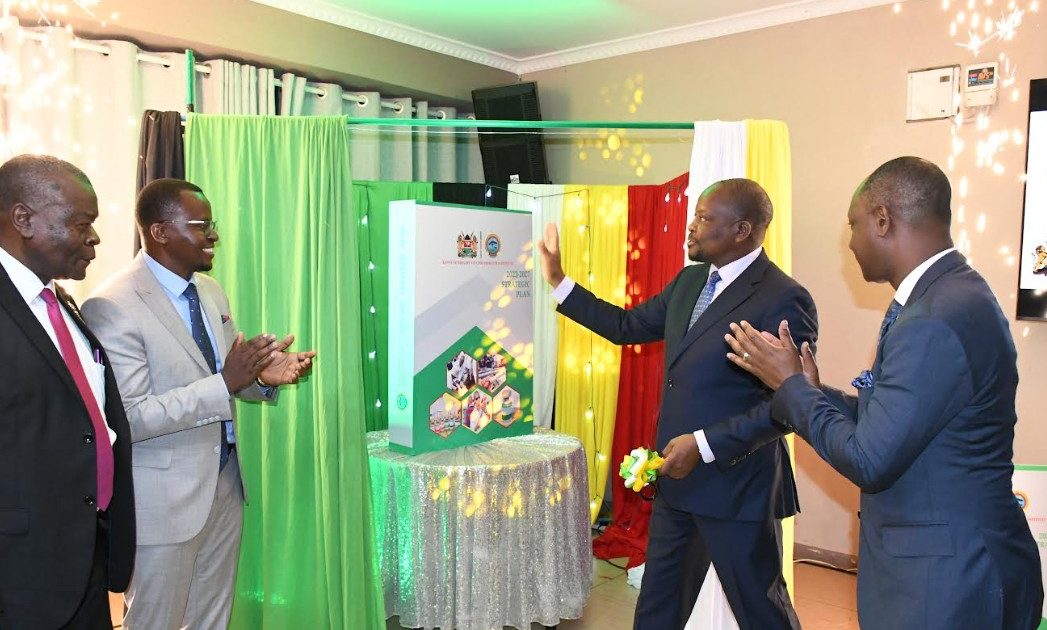
The plan is among a raft of strategies contained in the 2023-2027 KEVEVAPI Strategic Plan, which aims to boost livestock productivity and enhance food security by easing access to affordable and high-quality vaccines for farmers in Kenya and the region.
Speaking during the launch of the Sh 10.8 billion plan at the FK resort in Nyeri, Agriculture and Livestock Development Cabinet Secretary Mutahi Kagwe underscored the role of the institute in cementing the country’s position as an animal vaccine producer.
Kagwe also revealed that Kenya is already gaining recognition as a regional supplier of vaccines with a market reach of more than 14 countries, with additional efforts being made to tap the Rwanda, Democratic Republic of Congo, Burundi, Djibouti and Mali markets.
According to data from the institute, a total of 14 different vaccines were produced between 2018-2022.Out of the 177.2 million doses produced during the same period, the country exported 11.3 million doses.
“When we went to Paris for the World Health Organisation meeting, I made sure I pointed out that Kenya is an animal vaccine producer. Since then, I have received many calls from people who want to buy vaccines from us,” stated Kagwe.
“As you know, KEVEVAPI is an animal vaccine producer and one of the very few on the African continent. We are very proud that we export many vaccines to many countries. Most of them have been in Africa, but increasingly outside the continent and this is an important and very strategic institution for Kenya because without it we will not be able to secure animals in our nation,” he added.
Other key proposals that have been outlined in the roadmap include plans to upgrade the institute’s facilities to align with global manufacturing standards.
The CS noted that it will not only boost production capacity but also enhance the country’s capability to combat Foot and Mouth Disease, Lumpy Skin Disease, and Peste des Petits Ruminants, which are major contributors to livestock losses and economic disruption.
“The demand for vaccines globally is going up because of the insistence by most of the consumers to know that the animals they are eating are healthy. And this is one of the reasons why we have embarked on a mass vaccination campaign to ensure that Kenya is declared one of the countries that are disease-free in the next three years so that the importers of our livestock can do so knowing that they are safe and secure not just for food but for sustenance in their own countries,” said Kagwe.
The CS also dismissed allegations that the inoculations currently being used for the mass vaccination exercise in the country are donations from Bill Gates.
He said that Kenya produces its own animal vaccines and it would therefore make no sense for the country to import vaccines.
“There was propaganda about the source of our vaccines that they were donated to us by an American tycoon. That is not true. The truth of the matter is that Kenya is an exporter of vaccines.
We export foot and mouth vaccines to other parts of the continent so it would not make sense for us to say that we are importing the vaccines while at the same time exporting the same vaccine,” he said.
Speaking at the same event, Livestock Development PS Jonathan Mueke lauded the institute for unveiling a strategic plan that is aligned with the government’s Bottom-Up Economic Transformation Agenda on enhancing food security and nutrition.
Mueke also pledged to support the institution to realise the ambitious plan.
By Wangari Mwangi