Kenya has taken a significant step toward advancing equity, cultural protection and inclusion following the validation of the National Policy on Ethnic Minorities and Marginalised Communities, a framework expected to guide the country in addressing long-standing historical injustices.
The policy validation meeting held at the Kenyatta International Convention Centre (KICC) in Nairobi comprised government officials, representatives of marginalised groups, civil society actors and development partners. The meeting marked the final stage before the policy moves to Cabinet for approval.
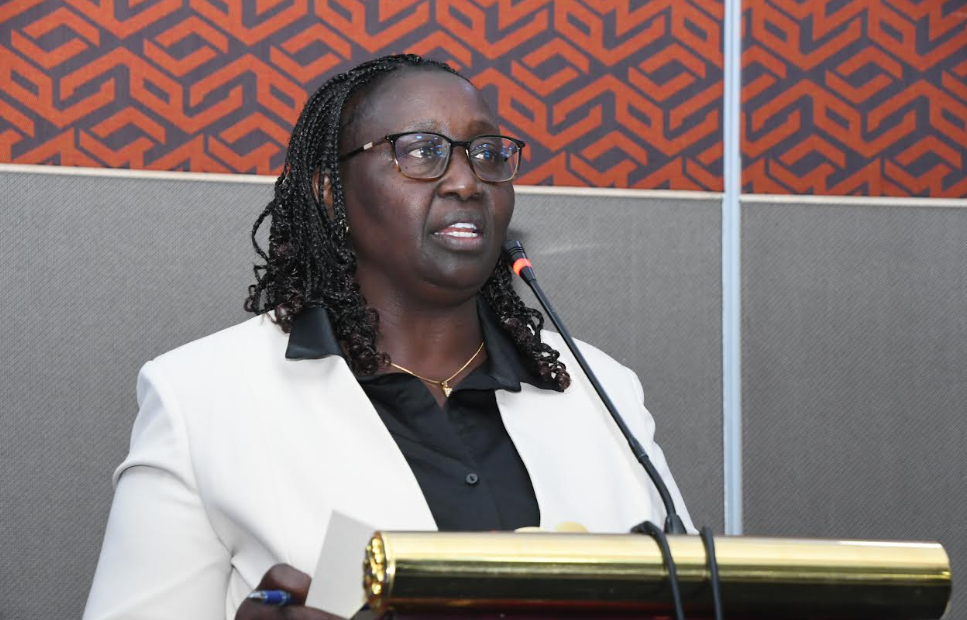
Cabinet Secretary (CS) for Gender, Culture, the Arts and Heritage, Ms. Hannah Cheptumo, stated that the policy represents a major milestone in the fulfilment of rights enshrined in the Constitution.
She further noted that recognition and protection of ethnic minorities and marginalised communities are at the heart of cultural justice and national cohesion.
Importantly, Cheptumo disclosed that the development of the policy had been driven by broad consultations involving affected communities whose lived experiences informed the priorities identified in the document.
In addition, she said the consultations revealed that many communities continue to face threats to their cultural identity, displacement, inequitable access to public services, and exclusion from national development processes.
In this regard, the CS emphasised that ethnic minorities and marginalised communities have historically made enormous contributions to Kenya’s cultural richness, yet they remain at risk of losing their languages, traditional knowledge and ancestral heritage.
“The government has a responsibility to ensure that all communities are recognised, respected and included,” she asserted.
According to her, the policy places emphasis on cultural preservation, economic empowerment, fair resource allocation, documentation of indigenous languages, and the strengthening of national identity through diversity.
Cheptumo added that the Ministry was committed to ensuring the policy’s implementation aligns with the Constitutional promise under Article 56, and she urged all state agencies and county governments to work collectively to guarantee that no community is left behind.
Speaking at the event, Principal Secretary (PS) for Culture, Ummi Bashir, mentioned that the validation marked a historic moment for cultural justice in the country.
She highlighted that the State Department had been championing the protection of indigenous knowledge systems, languages, heritage sites and cultural expressions, all of which remain central to the identity of minority groups.
Similarly, Bashir divulged that the policy was supported by existing frameworks, including the Traditional Knowledge and Cultural Expressions Act and the Languages of Kenya Policy, which provide legal and operational grounding for cultural protection.
Likewise, she revealed that the State Department had documented vulnerable languages and safeguarded intangible heritage in line with UNESCO conventions, but added that a comprehensive national policy dedicated to the needs of marginalised communities was necessary to consolidate these gains.
“Many cultural practices and languages face extinction due to urbanisation, modern influence, and the absence of formal government protection,” warned the PS.
Consequently, Bashir affirmed that the policy would therefore guide the revitalisation of endangered cultural assets and promote community participation in cultural preservation initiatives.
On the other hand, the PS emphasised that culture must not be treated merely as symbolic heritage but as a living, dynamic asset that contributes to national development.
She encouraged minority communities to continue sharing knowledge and working with government institutions to ensure sustainable cultural development.
In her remarks, Principal Secretary for Parliamentary Affairs, Dr. Aurelia Rono, announced that Kenya had waited too long for a framework that clearly defines how the state must address marginalisation.
She reported that although the Constitution provides for affirmative action and equitable representation, implementation has been inconsistent due to the absence of an institutionalised policy.
Further, Dr. Rono stressed that the policy provides a clear roadmap for ensuring communities that have been historically disadvantaged through systemic exclusion, inequitable distribution of resources or lack of recognition receive the attention required to restore fairness and equality.
The PS assured that her department would support the policy as it moves to Parliament and ensure it receives the legislative backing needed for full implementation.
Furthermore, Dr. Rono insisted that the country cannot continue to speak of unity and national cohesion while entire communities continue to face discrimination and marginalisation.
She underscored the importance of government institutions working in harmony to ensure the policy’s provisions translate into real change.
She added that Parliament would play a key role in ensuring oversight, resource allocation and legal protection for minority communities.
On her part, Wildlife Principal Secretary, Silvia Museiya stated that the policy was important for communities living in wildlife-rich regions, many of whom have faced displacement, restricted access to resources, or exclusion from conservation decision-making.
The PS pointed out that pastoralists and forest-dwelling communities have traditionally safeguarded ecosystems and wildlife habitats, yet they have not been fully recognised for their role in supporting Kenya’s biodiversity.
Therefore, Museiya charged that the new policy would help bridge this gap by ensuring these communities are protected and can benefit from conservation and wildlife-based economies.
As well, she maintained the Ministry responsible for wildlife was committed to promoting community-led conservation, ensuring coexistence, and addressing injustices linked to land loss and conservation restrictions.
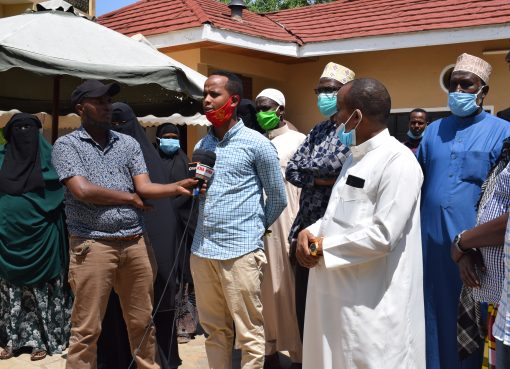
Representing the marginalized communities, Joseph Ole Simel, CEO of Mainyoito Pastoralists Integrated Development Organisation (MPIDO), said the policy validation was an important moment for communities that have endured decades of marginalisation, land dispossession and exclusion from public resources.
He laid bare that pastoralists, hunter-gatherers and other minority communities have remained at the bottom of social and economic indicators because of systemic discrimination and inadequate government attention.
Equally, Ole Simel demanded that the policy must address issues of land rights, benefit-sharing from natural resources, cultural survival and full recognition of communities whose identities have been suppressed or ignored for generations.
“Many of the poorest counties are predominantly pastoralist and minority regions, yet they contribute significantly to the national economy, including through livestock production, conservation and renewable energy,” he lamented.
Also, the CEO called for stronger legal protections, budget allocations and accountability frameworks to ensure the policy transforms the lives of communities it seeks to serve.
Meanwhile, the validation of the National Policy on Ethnic Minorities and Marginalised Communities is expected to pave the way for more inclusive national development, equitable governance and cultural protection.
Once adopted, the policy will guide government ministries, agencies and county governments in upholding the rights of all Kenyan communities and protecting the cultural wealth that defines the nation.
By Naif Rashid