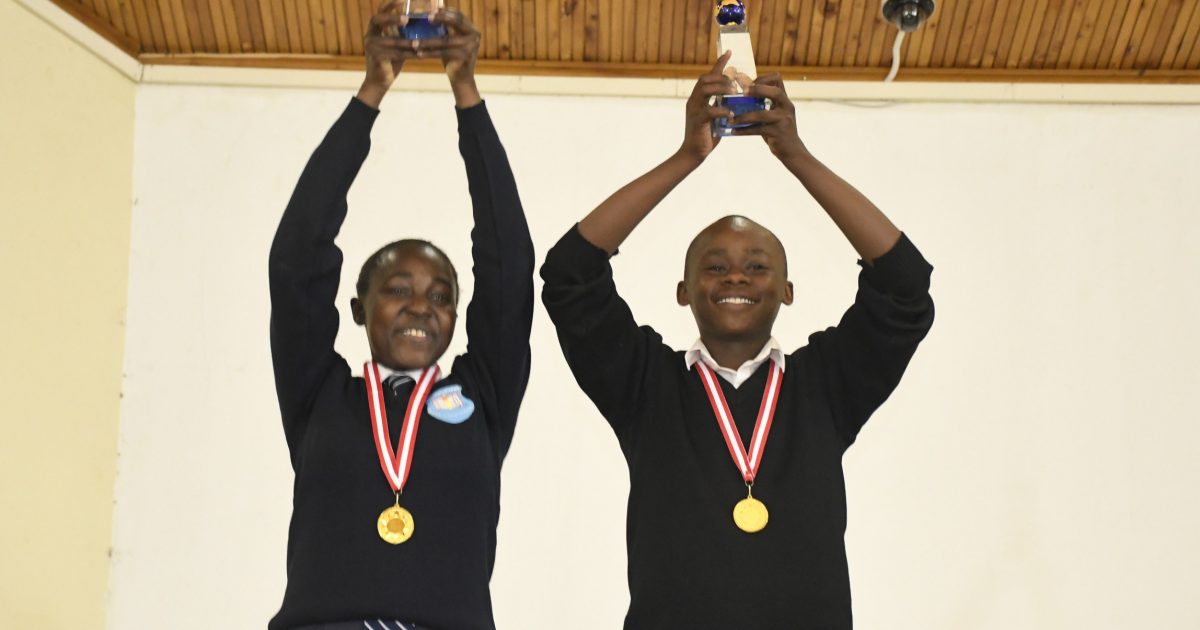
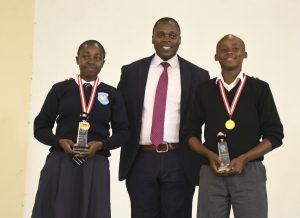
Eighteen-year-old Jael Aching from Loresho Secondary school and 15-year-old Blessed Kyalo from AIC Tangu schools will participate in the World Food Prize (WFP) Global Youth Institute (GYI) conference in Iowa, USA, in October.
The emerging winners and recognition come out of the 69 selected papers presented at the 2-day conference organised and hosted by the Kenya Agricultural Livestock Research Organisation (KALRO).
The WFP challenge sees students coming up with challenges and solutions that address urgent needs of food insecurity and agriculture.
Aching, a form two student, wrote a paper on Bosnia and Herzegovina malnutrition and how the war has affected the country’s agricultural production, while Kyallo’s topic looked at enhancing food security and healthy diets in Ethiopia through water harvesting and cover crops.
“My paper talked of an integrated nutrition and agriculture initiative that can come up with the community nutrition hub, which offers counselling and social classes.
It also came up with the home gardening programme that offered seed kits, tools and training to smallholder farmers, as well as coming up with the school feeding programme that offered nutritious meals to the community and all schools,” she said.
Aching, the second born in a family of seven who has been aspiring to be a lawyer but with an interest in research, explained that her idea came after watching the Discovery Channel and coming across how war has affected activities.
Kyallo explained that his research was informed by the lack of reliable rainfall in Ethiopia and that the best solution for them would be addressing food insecurity by having a sustainable water harvesting system.
“My teacher Mr. Muendo and Madam Stacy guided me on writing the proposal. we did a lot of research in school, and I kept on rehearsing and rehearsing until I got it right, and it came to be,” Kyallo, the second-born in a family of 6, said, adding he was very excited to have won.
He said he always wished to pursue his career in ICT and specifically software engineering, but having won in the research, he will be looking at biotechnology and genetics.
Aching and Kyallo both promised to represent Kenya well in the rare opportunity that is fully sponsored by the World Food Prize Foundation, with Dr. Jan Low, the 2016 World Food Prize co-laureate, being handy to shape their academic and professional journey for life.
Kenneth Monjero, Director of the KALRO Children Science Centre Kenya and the coordinator, said the World Food Prize Foundation programme has opened various youth institutes across the world to actually engage high school students in awareness of food security, issues of climate change, and also awareness of climate-smart technologies or innovations that address this food security.
He explained that this year they engaged over 130 schools across the country and held teachers’s workshops for them so that they can engage the learners to know how to do research and help them come up with innovations.
“I’m so happy that 65% of teachers that we engaged are below 30 years of age from both private and public schools, from sub-county to national level, and this shows that we have a very high level of sustainability of the programme and also ensure that every learner has an opportunity to table their innovation,” Monjero said
“We have selected two projects that will be presented at Iowa State in October, and they will meet other like-minded learners from across the globe. And this really awakens their potential to even realise their dreams of research and development,” he noted.
The programme partnered with ILRI, CABI, Concern Worldwide, KCB Bank, and other like-minded institutions that put together resources to ensure learners are given a chance to come up with their innovation; they also had 18 scientists who were judges.
By Wangari Ndirangu