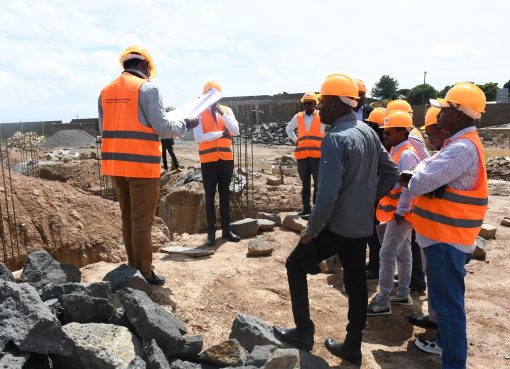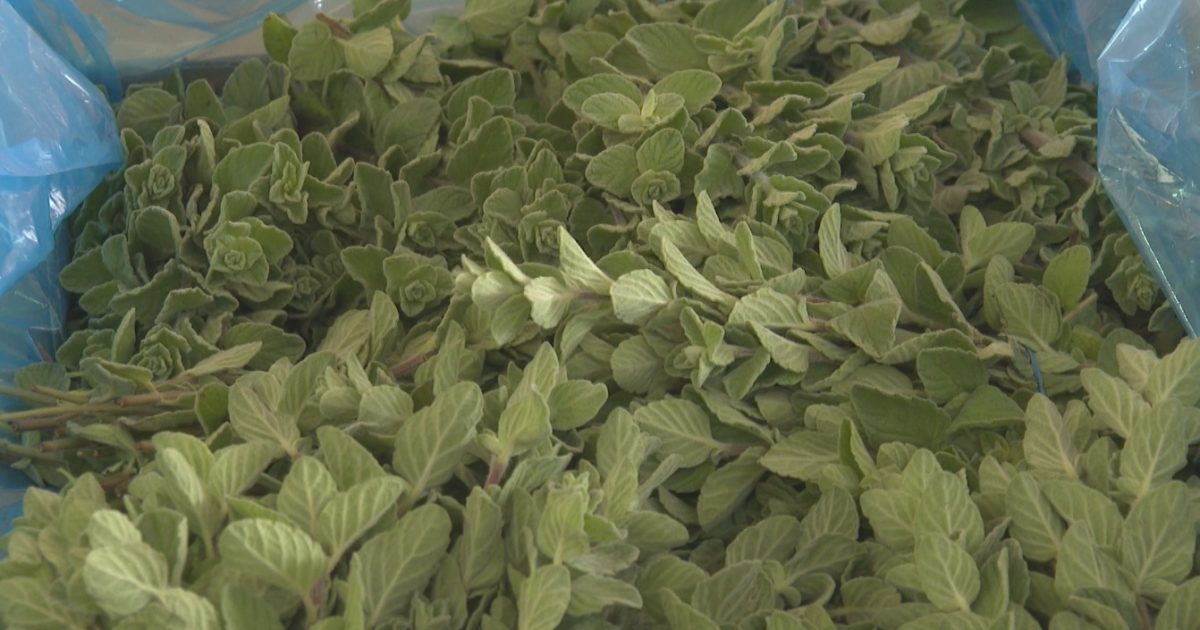
At least 15 women drawn from Kenya are slated to undergo a training that aims to equip them with expertise in the production and marketing of medicinal herbs and aromatics.
The group is a fraction of fellow women selected from five countries under the Medicinal and Aromatic Plants for African Circular Economy (MAPs ACE) project.
The three-year project, that is funded by the European Union (EU) at a cost of Sh59 million (400,000 Euros) and which is being implemented in collaboration by vocational education and training (VET) providers from Hungary and Slovakia, along with partners from Kenya, Mauritius, and South Africa, aims to strengthen the capacity, innovation, and sustainability in African agriculture.
Addressing the media today in Nairobi, Herbspicemarket Director Ms Esther Ngina, said the 15 Kenyans were identified based on their willingness and interest in the production of medicinal herbs and aromatics.
She said the programme is a pilot project that will be spread to reach other women across the country.
“This is a pilot project. We are already farming and hosting a lot of people in the farms. Being a pilot project, we hope to duplicate it in many places; it’s a start-off,” stated the Herbspicemarket Director.
Ms. Ngina lauded the project, saying it offers a platform for women to learn about dry products and infusions.
She also said the project will open ways for more external markets for the country through exhibitions.
“This platform will give us an opportunity to travel to Europe for trade fairs. You see, that’s a market coming home,” explained Ms. Ngina.
Project Manager from the EU-based VET consortium coordinator Gabriel Adamek urged more women to express interest in the project.
“I would recommend women who are interested in joining with the partners in Kenya. They will incorporate them into their learning. By doing so, they can see how the plant looks like and how they can plant it. It will be the practical training,” he said.
He added that through the initiative, they will be aligning traditional production knowledge with 21st-century tools.
“By supporting women in rural communities, we’re tackling economic inequality and environmental resilience at once,” he said.
He further said that the project is just not about agriculture but about empowering women, fostering innovation, and building sustainable economies through international collaboration.
“Even though data from various sources indicates growing demand of herbs globally, Kenya among other Sub-Saharan African (SSA) countries, are tailing despite being endowed with natural vegetation and a favourable climate,” Adamek said.
He explained that the Sh59 million kitty only covers up to 80 percent of the funds required, while the deficit will be catered for by partners.
MAPs ACE will provide women with a structured training and support path in the field of MAP cultivation, harvesting and processing with an emphasis on environmentally friendly and climate-conscious practices.
With the increasing importance of climate adaptation, MAPs ACE offers a strategic pathway to transition toward sustainable, low-emission agricultural models, contributing to climate mitigation goals in line with both local and global targets.
It will additionally integrate work-based learning in experimental fields across Africa with professional lectures and digital training modules.
The programme also embraces digitization, incorporating e-learning tools and online monitoring systems to track progress and support continuous learning.
According to Market Data Forecast of 2024, the global value of the medicinal plants market reached Sh27.8 trillion (USD215.4 billion) in 2024 and is expected to increase to Sh48.6 trillion (USD375.6 billion) by 2032, reflecting a compound annual growth rate (CAGR) of 7.22 percent.
Bhavish Jugurnath, a professor from the university of Mauritius, said the SSA region is contributing to between six and 11 percent of the total global market value of the MAPs.
“This project will capacity build women in the region and thus help in expanding the scope to engage more farmers in exploiting the untapped herbs farming,” said Dr. Jugurnath.
By Wangari Ndirangu and Douglas Namunane