Along the busy stretch between Kericho Town and Kiprugut Chumo Stadium, the soundscape is unmistakable. Hammers strike metal with rhythmic precision, saws slice through timber, while welding machines release bursts of sparks that light up the roadside.
This is the heartbeat of the Jua Kali sector, a space of sweat, noise and creativity. But in Kericho, the Jua Kali sheds are more than workshops of survival; they have become places of renewal, vision and second chances where discarded materials are reshaped—and so are lives.
Behind the makeshift iron-sheet structures, men and women work with determination. Some are sanding timber to a smooth finish, others are welding bed frames, while a few carefully apply coats of fresh paint to their creations.
What makes this scene unique is not just the products emerging from scraps, but the stories of the artisans themselves. A number of them were once street children battling glue addiction and crime, while others survived as commercial sex workers. Today, they are artisans making a decent living with the knowledge and skills they have acquired.
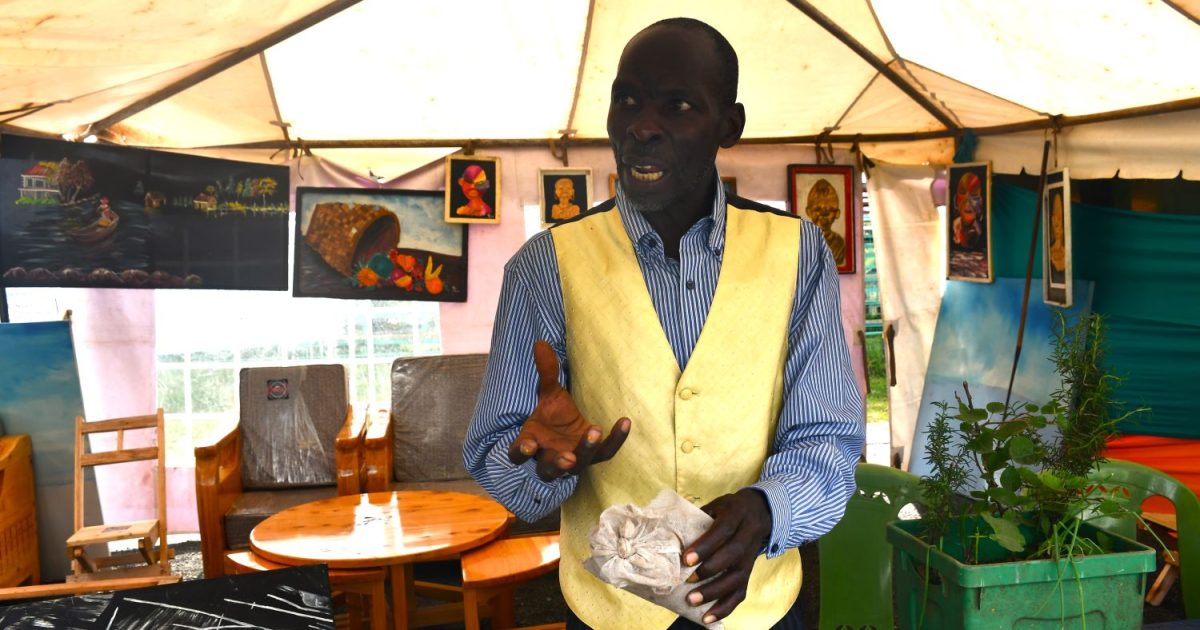
At the heart of this transformation is Emunga Naftali, a 52-year-old Kericho-based artisan and community mentor. Through his organisation, Trinato Africa, he has helped dozens of vulnerable youths escape the cycles of poverty and vice.
“For many years as I walked through Kericho town, I carried a burden,” Naftali told the Kenya News Agency. “I saw children sniffing glue, sleeping in alleys, or scavenging for leftovers. I also saw women struggling to survive through prostitution. I always felt I could do something to change their lives by training them in basic skills that would give them dignity.”
One day, Naftali decided to act. Instead of just sympathising, he began taking one child at a time off the streets. He would bring them to his home, give them a bath, clean clothes and food, then patiently listen to their stories. Slowly, he introduced them to skills like woodwork, welding and painting.
“For many, it was the first time anyone believed in them. That belief alone marked the beginning of their transformation,” he explained.
Naftali emphasises patience and care in his training model. “I don’t rush the process,” he said. “First, I ensure the young person is healthy and emotionally stable. Only then do I start teaching them step by step, first by watching, then trying, and eventually mastering the craft.”
Over the past ten years, many of his trainees have graduated from his workshop to start their own enterprises. Some now run small furniture workshops around Kericho, supporting their families and even employing others.
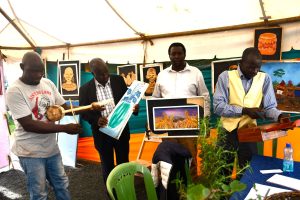
Naftali’s workshop itself is both a refuge and a training centre. Here, young people learn how to turn discarded materials into useful products, beds, chairs, stools, tables and even cultural artefacts. “The environment is busy but uplifting,” he said. “The former street boys and reformed women channel their energy into shaping wood, bending metal and creating unique pieces that reflect both creativity and resilience.”
Naftali’s journey of mentorship dates back to 1998 when he founded Trinato Africa as a community initiative to nurture youth talent in drama, music and performance arts. However, as he engaged more with street children, he realised that creative expression alone was not enough. Many needed high-income technical skills that could guarantee food on the table and restore their dignity.
That shift marked the beginning of his hands-on training model. Today, Trinato Africa continues to empower young people, but now with a strong focus on craftsmanship.
Born and raised in Kericho, Naftali credits his passion for creativity and leadership to his early school years at Kericho Township Primary and Kericho Day Secondary. Though not top in academics, he thrived in co-curricular activities, especially music, drama and journalism clubs. “Those platforms helped me discover my voice. They gave me confidence to inspire and mentor others through art and creativity,” he said.
Now a father of six, Naftali has successfully educated all his children through college and university, funded largely by his own creative works and workshop income. “On a good day, I earn between five and ten thousand shillings from furniture or cultural artefacts,” he revealed. “What makes me even happier is that some of the youth I trained now earn more than I do.”
Beyond day-to-day furniture production, Naftali has produced more than 1,800 cultural artefacts over the years, including traditional musical instruments such as the Litungu, Wandindi, Ishiriri and Marimba. He now dreams of establishing a cultural museum in Kericho to preserve these works and Kenya’s diverse heritage for future generations.
He also envisions creating a cultural library and creative resource centre where children and youth can access books, tools and mentorship in areas such as music, poetry, design, landscaping and carpentry. “Young people need places that offer purpose and alternatives to destructive lifestyles,” he said.
Naftali’s work has not gone unnoticed. County Development Officer Mitchelle Aburili lauded his efforts, noting that they align with the government’s push to formalise and empower the Jua Kali sector.
“The Micro and Small Enterprises Authority (MSEA) has supported artisans through training on business registration, record keeping, tender applications and value addition,” Aburili told KNA. “Through regular sensitisation forums, we help artisans like those trained by Naftali to formalise their enterprises, access credit and expand their businesses. This is how Kenya’s creative economy will thrive.”
For Naftali, the rewards of his journey are not only financial. They are deeply personal. His generosity and faith in vulnerable youth have created ripples of transformation that continue to spread across Kericho and beyond.
What began as one man’s conviction has grown into a movement that uplifts the most neglected members of society. Through hammers, saws and welding sparks, young men and women who once lived on the margins now shape their futures—one chair, one table, one artefact at a time.
“Believing in someone when everyone else has written them off, that’s what changes lives,” Naftali said, watching his trainees work. “When you give them skills, you don’t just give them food for today. You give them hope and a future.”
By Kibe Mburu