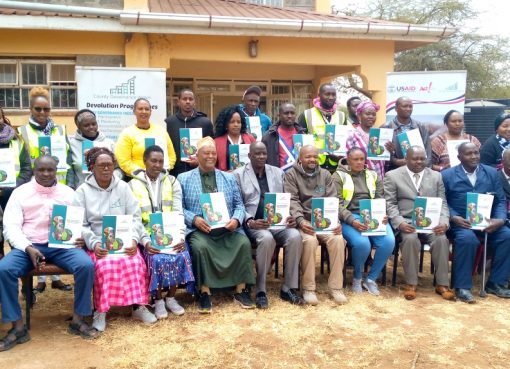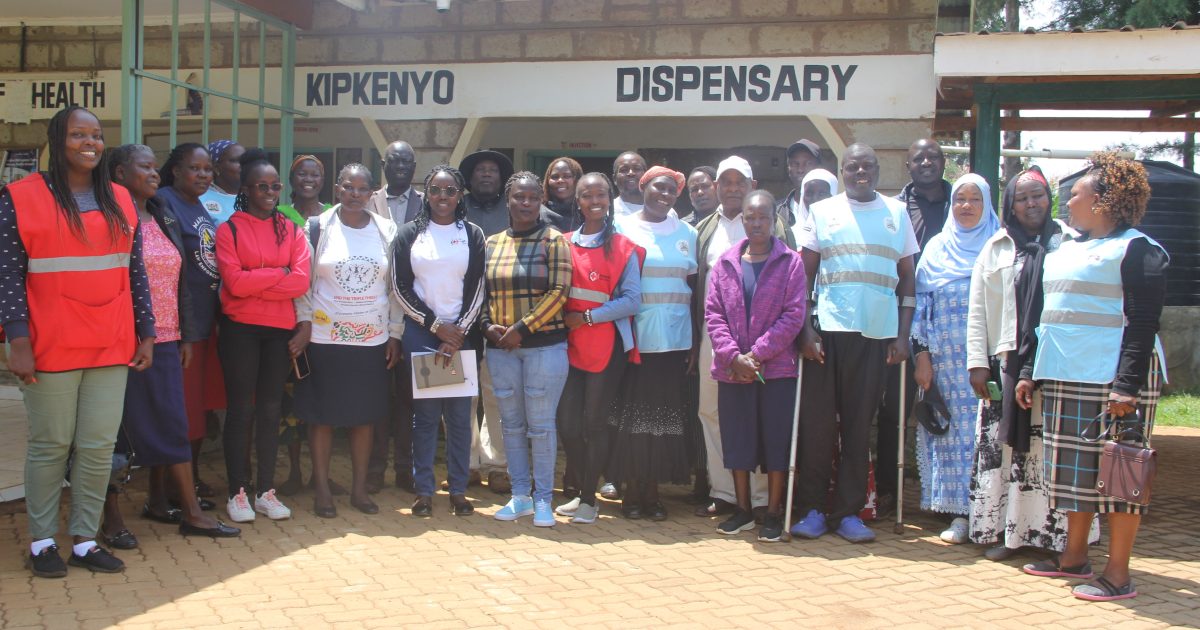
Community Health Promoters (CHPs) and residents of Kipkenyo ward, Kapseret Sub County, Uasin Gishu, have welcomed the stakeholders’ Anti-Microbial Resistance (AMR) stewardship campaign underscoring its significance in terms of equipping them with skills and knowledge necessary to amplify AMR messages at the community level to enhance awareness and strengthen the fight against one of the top 10 global public health threats facing humanity.
The Kenya Red Cross (KRC) North Rift Region (NRR) team led by AMR Project Officer Purity Kosgei conducted a stakeholder engagement forum at Kipkenyo Dispensary, Kipkenyo Ward as part of ROHOKET- a One Health approach to address antimicrobial resistance by spreading key AMR messages on proper antibiotic use, enhancing awareness in communities, villages, churches and other avenues in order to combat the menace.
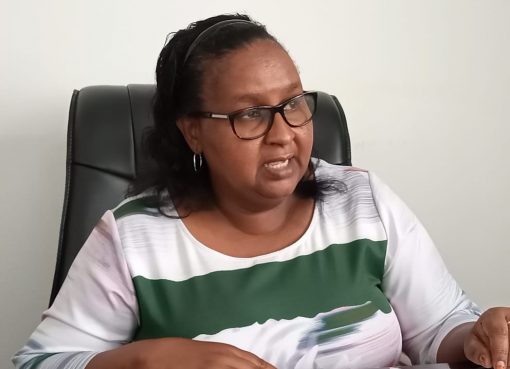
Speaking during the meeting which brought together CHPs, livestock and crop officers at the ward level and members of the community, the AMR Project Officer underscored the commonly reported wrong use of drugs among the communities like administering of human intended amoxicillin drug to treat chicken flu, the issue of sharing unused doses of drugs among others, which she said contributed to high levels of resistance.
“When you consume the poultry products you consume the drug which causes microbes in your body to develop resistance to the same drug rendering it useless to treat your infection in future. Additionally, when you do not finish the prescribed dose, it causes the disease-causing microorganisms to recur worsening your situation,” she explained.
The new AMR strategy in Kenya adopted the “One Health” approach, which recognizes that human, animal, and environmental health are interconnected and that AMR needs to be addressed holistically across these sectors.
Kosgei urged the residents to consider seeking medical help from qualified veterinary and crop officers in case they encountered health problems with their animals or crops, noting serious health implications to people if wrong medicines are administered to livestock or plants.
“We are telling people to use drugs properly, administer respectively, if for livestock please give to livestock, those for plants should be strictly for plants and if it is medicine intended for human use, let it be for people,” she said adding, “if your animal is sick, call a veterinary doctor not an agrovet looking for profit. Drugs remain in the soil, and could be consumed through harvested crops.”
The CHPs are sensitized to conduct surveillance during household visits and ensure people are keenly following the recommended use of drugs across the human, veterinary and plant health sectors.
Surveillance reports by CHPs will help in discovering the progress made and making recommended amendments to address possible gaps in the AMR awareness campaign in order to enhance the fight against inappropriate use of antimicrobials.
The KRC/NRR AMR team sensitized the CHPs and members of the community to uphold water, sanitation and hygiene (WASH), food safety management, and infection prevention and control (IPC) measures to prevent infections, especially the Mpox virus.
A Kenya Red Cross Volunteer Sally Kiplagat announced a toll-free line 0800720577 which serves as community feedback desk where members of the community could give comments on the ongoing projects and other problems faced by the community like cases of GBV and others so that the Red Cross team could respond promptly to address such issues.
“Community forums are key in sharing problems and finding solutions. We give them confidential comment cards with the name and contact of the respondent so that issues are addressed at a personal level. They are encouraged to share any concerns to strengthen the fight against AMR. Any challenges faced during their work so as to strengthen their capacity in terms of supporting one health approach at the grassroot level,” explained Kiplagat.
She warned residents against reusing bottles and containers used for storing medicine to store other products like milk, noting they risked high levels of contamination since the chemicals still remained in the containers for a long period of time and the only way to avoid contact is proper disposal after use.
“We have seen people storing milk in Syngenta bottles. That is wrong. We should dispose of them immediately when the medicine is finished to avoid exposure to chemicals. We should not buy or sell meat from livestock suspected to die from anthrax or rabies. Do not sell milk from a treated cow kindly wait after 72 hours. Do not sell your vegetables immediately after spraying with farm chemicals, just wait for the specified period so as to prevent transfer of chemicals into the human body causing serious complications,” she added.
Salome Ruto a livestock officer for Kipkenyo ward, emphasized the importance of information sharing to spread AMR awareness among the community members.
“I have learnt about Amoxil use. I will educate and share the same information with my family members and the entire people in my community. We appreciate the educational messages from the meeting,” said Maureen Lagat, a resident from Kipkenyo.
Mary Kebenei, a farmer from the area, said she has learnt the difference between drugs for livestock and plants.
“I will not again use the same knapsack sprayer to spray my farm and animals, I have learnt and I will spread the message to the village and in church,” she said.
Area CHPs Chairperson Dorothy Achieng welcomed the educative stakeholder engagement by Red Cross and partners as she called for more forums to reach out to more community members in order to strengthen the fight against antimicrobial resistance.
Antimicrobial Resistance is a global health threat where microorganisms evolve to become resistant to drugs designed to kill them. This makes infections harder to treat and increases the risk of disease spread, severe illness, and death.
It contributes to almost 5 million human deaths from bacterial infections alone each year. This, coupled with the poor state of research and development investment into new antimicrobials, has led WHO to highlight AMR as one of the top 10 global public health threats facing humanity.
The ongoing Kenya’s AMR Strategy review aims to assess the effectiveness of the previous strategy (2018-2022) and inform the development of a new one for 2024-2028. This includes a workshop with stakeholders to identify gaps and opportunities for improvement.
By Ekuwam Sylvester