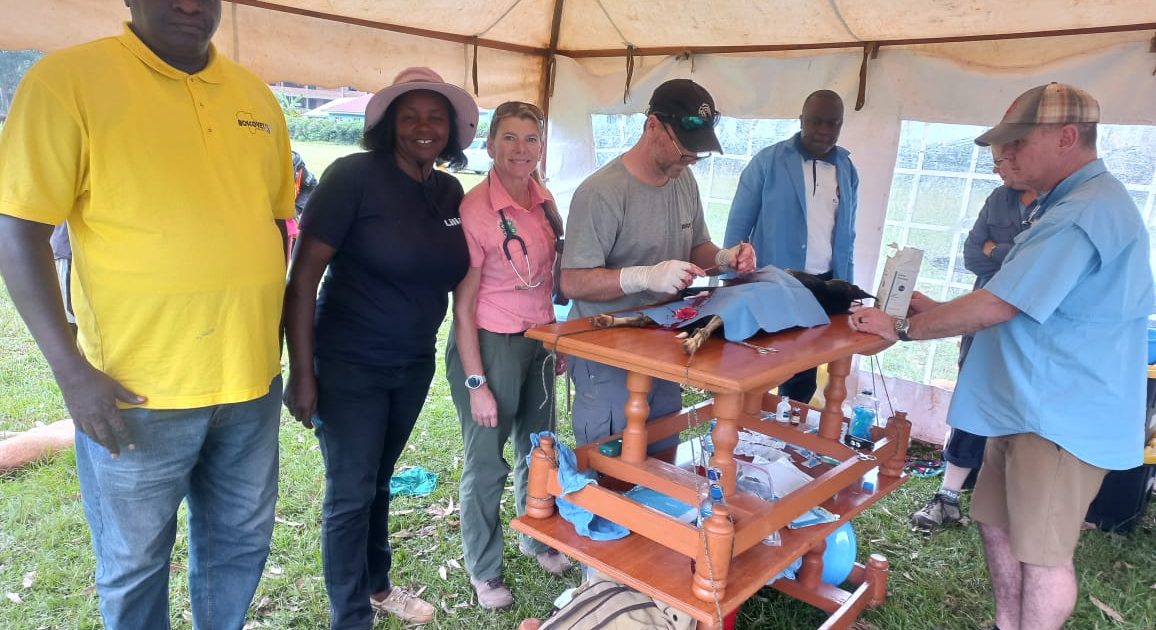
Kisii County, in collaboration with the BOSCOVET Project Kenya (a non-governmental organisation), has launched a comprehensive four-day animal health campaign to vaccinate, neuter, and spray cats and dogs.
This initiative, running until the 27th of this month, aims to promote the health and welfare of small-scale animal farmers by offering these essential services at minimal or no cost.
Speaking to the Kenya News Agency (KNA), President of the BOSCOVET Project Kenya, Lilian Marube, expressed her satisfaction with the overwhelming response from the local community.
“The locals have turned up in large numbers to benefit from this initiative, demonstrating the vital need for such services,” she noted.
Vaccination against rabies, a potentially fatal disease for both animals and humans, is being offered at a highly subsidised rate of Sh50, significantly lower than the standard Shs 300. This subsidy makes the service accessible to farmers and pet owners who might otherwise struggle to afford it.
“This initiative aims to protect animals and humans from rabies while ensuring that small-scale farmers can keep their livestock and pets healthy without financial strain,” said Marube.
In addition to vaccinations, the campaign includes free neutering and spraying services for cats and dogs. These procedures are crucial for controlling the population of stray animals and reducing the spread of zoonotic diseases.
Kenya News Agency noted that these services have been warmly received by the community, with many farmers acknowledging their long-term benefits for both animal welfare and public health.
The vaccination and treatment exercise has been a consistent effort by the BOSCOVET Project Kenya for the past ten years. While the project previously included larger livestock such as cows, the last two years have focused exclusively on cats and dogs. This shift, according to Marube, allows the initiative to address the pressing issue of rabies in the region more directly.
One of the distinguishing features of this campaign is the involvement of seasoned veterinary doctors from the United States, working under the umbrella of the Christian Veterinary Missionaries USA.
These experts not only perform vaccinations and neutering but also share their knowledge and skills with local veterinarians.
“The local vets gain invaluable insights and techniques from their international counterparts, elevating the standards of veterinary care in Kisii County,” Marube explained.
The BOSCOVET Project Kenya, sponsored by BOSCOVET USA, operates as a non-governmental organisation (NGO) with a mission to uplift small-scale animal farmers. Through initiatives like free training, subsidised farm inputs, and animal health campaigns, the project aims to improve farmers’ livelihoods and contribute to the broader development of Kisii County.
Marube expressed concern about the high costs imposed by the Kenya Veterinary Board for certifying the visiting international veterinarians. While she appreciates the importance of maintaining professional standards, she called for a reduction of these costs, particularly for humanitarian projects.
“These doctors come here to offer aid, not to make profits. Reducing certification fees by at least half for such initiatives would encourage more international experts to participate, ultimately benefiting our communities,” she said.
As the campaign continues, local farmers are expressing their gratitude for the accessible and affordable services provided. Many see the initiative as a lifeline for their animals, which are essential to their livelihoods.
By Misheba Alfred