The United Nations Human Settlements Programme (UN-Habitat) and Kisumu County government have signed a housing upgrade programme under the New Urban Agenda.
The initiative, known as Partnership for the Implementation of the New Urban Agenda (PINUA- 1), aims at spurring sustainable urbanization within the local authorities especially in informal settlements.
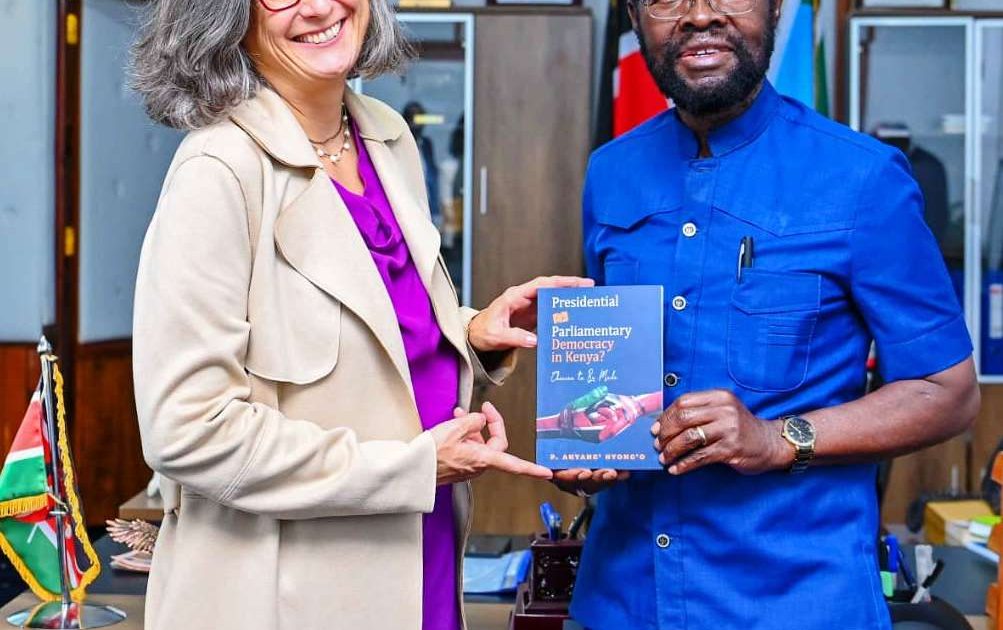
UN- Habitat Executive Director Anaclaudia Rossbach noted that Kenya being the host of the head office of this global body has an agreement with UN-Habitat to help put up decent affordable housing in the informal settlements to improve the living standards of people.
She said the partnership in PINUA-1 programme seeks to incorporate local regional governments in promoting urban development through housing not only in Kenya but the rest of Africa.
Rossbach stated the UN- Habitat member states endorsed PINUA-1 programme 10 years ago to help implement decent urban housing for the urban poor.
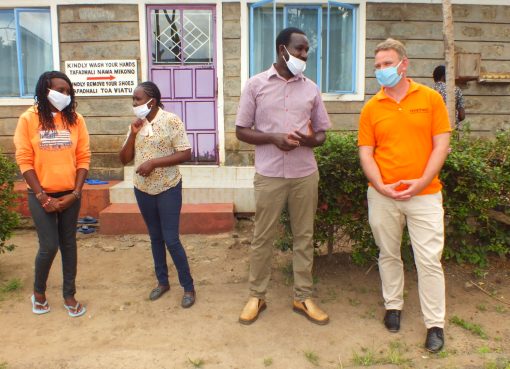
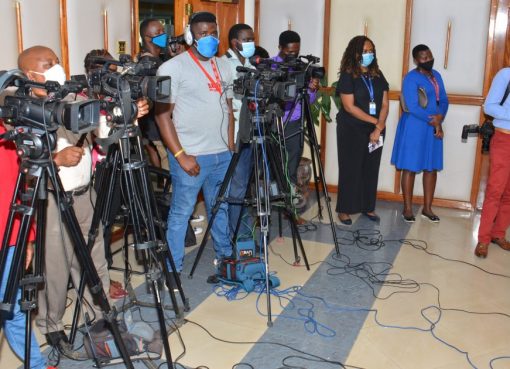
She was speaking in Kisumu on Wednesday where the County government signed an agreement with UN- Habitat to rollout affordable housing in Kibuye and Muhoroni.
Rossbach said that basic necessities such as food and shelter are supreme and at heart of the United Nations agencies development agenda for all sectors of the society.
“The reason for this is that we have over one billion living in very poor housing conditions in informal settlements,” the Executive Director said.
She emphasized that UN-Habitat’s new development mandate focuses on the less privileged and empowers them with resources to build their own homes and houses.
She noted that Kisumu County has made good progress in New Urban Agenda which her organization would like to see replicated in other counties in the country and other Nations.
Rossbach observed that the success of such effort in Muhoroni sub county in Kisumu County that has enabled residents to build their own habitation at which they can access vital social amenities like Early Childhood learning development facilities for their children.
The UN-Habitat boss further disclosed that over 105 UN member states have joined hands to work on alleviating the housing crisis by providing the work force, construction materials and resources to ascertain people are able to build their own houses.
She reiterated the UN – Habitat`s commitment to building cities that keep the people closer together to access to the essential public utilities and opportunities needed by the populace
Kisumu Governor Prof. Anyang` Nyong`o was full of praise for the project saying it would go a long way in helping to alleviate the housing crisis in Kisumu.
“We have a housing programme that has been working to improve housing among the urban poor and UN- Habitat set up after the second World War (WWII) focusing on less privileged to provide shelter, food and other necessities is coming at the right time,” Nyong`o said.
The United Nations General Assembly made a resolution to transform the United Nations Centre for Human Settlements into the United Nations Human Settlements Programme (UN-Habitat).
UN-Habitat works with partners to build inclusive, safe, resilient and sustainable cities and communities and promotes urbanization as a positive transformative force for people and communities, reducing inequality, discrimination and poverty
PINUA- 1 seeks to drive inclusive, green, and resilient urbanization project focusing on several crucial aspects, which include co-production of green incremental housing, participatory slum upgrading, cooperative social rental housing and other supportive work for affordable housing, urban planning, housing policy review, and lakefront development initiatives.
Through this partnership, Kisumu pursues to strengthen their Affordable Housing programme by tackling the financing gap in social housing.
In Kisumu, the focus is also on supporting sustainable growth across municipalities, starting with practical interventions in areas where communities already live and build. It offers avenues towards inclusive community development, housing finance, and sustainable housing construction for community and household.
by Mabel Keya-Shikuku & Milton Obote