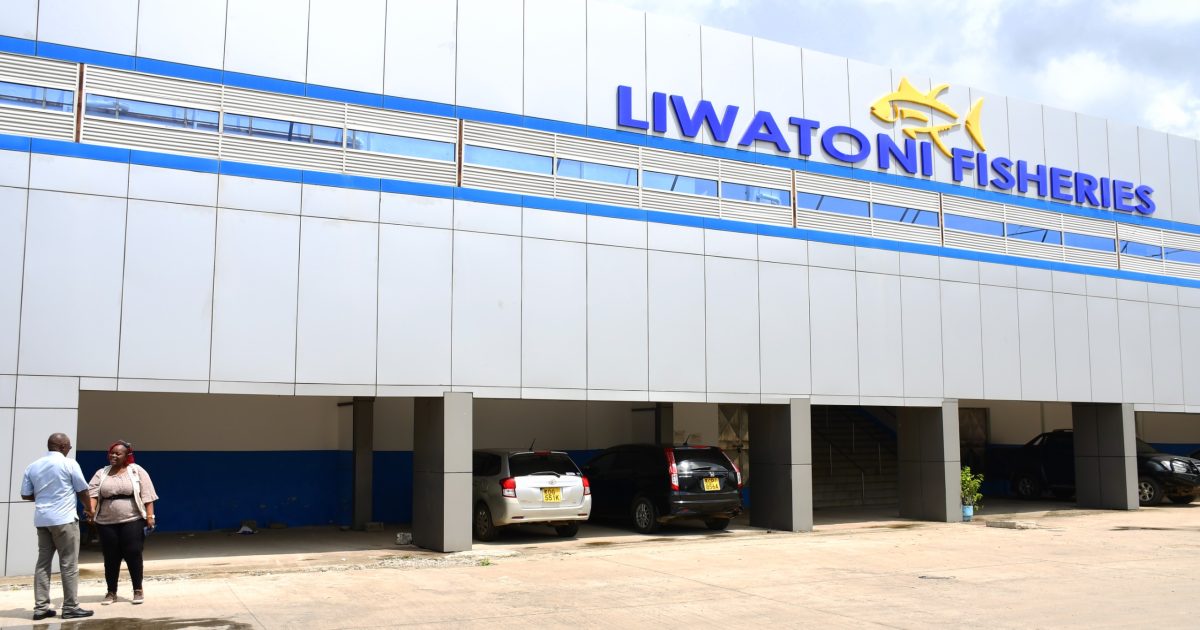
The Kenya Fishing Industries Corporation (KFIC) is accelerating efforts to operationalise the ultra-modern Liwatoni Fish Processing Plant.
The project, which is expected to create 2,500 jobs, was initiated in 2021 and entails the construction of a Sh6 billion Hazard Analysis Critical Control Point (HACCP)-compliant tuna fish hub. Work is set to resume after prolonged court cases stalled progress.
According to KFIC CEO Dr. Mikah Nyaberi, the project is being implemented in two phases. The first phase, costing Sh1.5 billion, is progressing well and includes a fresh and frozen processing facility with a capacity of 100 Metric Tons (MT) of fish per day, producing 50 MT of loins daily.
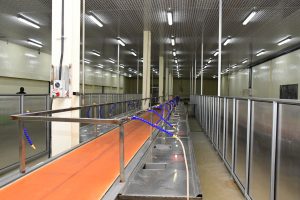
It also features a cannery capable of processing 50 MT of raw material to produce 25 MT of canned products and a cold storage facility with a capacity of 1,000 MT.
Phase two, estimated at Sh4.5 billion, will be financed through Public-Private Partnership (PPP) and Build-Operate-Transfer (BOT) models, transforming Liwatoni into a Special Economic Zone (SEZ).
Planned facilities include a circular road, jetty repairs and expansion, a fishmeal and oil processing plant, a 200 MT ice-making plant, a fish market and auction centre, a fishing gear repair facility, a fuel bunkering station, a wastewater treatment plant, a solar-powered desalination system, and renewable energy infrastructure.
Speaking during a project assessment visit by the Government Delivery Unit and Coast Regional Director Sherry Litunya, Dr. Nyaberi said the plant will serve as a training hub to help local fishermen transition into large-scale fishing.
“We are also introducing a fishmeal processing line and fuel handling services for fishing vessels. Additionally, a flake ice machine with the capacity to produce nearly 200 MT of ice daily will be installed,” he noted.
“All these put together would amount to the Sh6B that was envisaged to be spent. The factory would employ a minimum of 2500 people. It would operate on three shifts. These three shifts, when maximised, will be able to get our 50 metric tonnes of finished products,” he added.
The fish meal products would be used by animal feed and fish feed factories to prepare feeds. He asserted that they are keen to operationalise the factory that was closed in 2015 so that it can continue supplying sufficient white meat protein for consumption.
The CEO further stated that in collaboration with financial institutions and Beach Management Units, they have an elaborate plan to assist fishermen in acquiring fishing vessels.
“The government has already put in Sh600 million so that we can get five deep-sea fishing vessels,” he stated, adding that KFIC has three deep-sea vessels with an ambitious target of 100 deep-sea fishing vessels in the next two years.
Investors were encouraged to invest in fish vessels, as it is a profitable venture. KFIC has now set its focus on managing fish landing sites built by the State Department for the Blue Economy and Fisheries.
By Sadik Hassan