Thousands of maize farmers in Migori County are anticipating poor harvests this season due to prolonged drought that has severely affected most parts of the region.
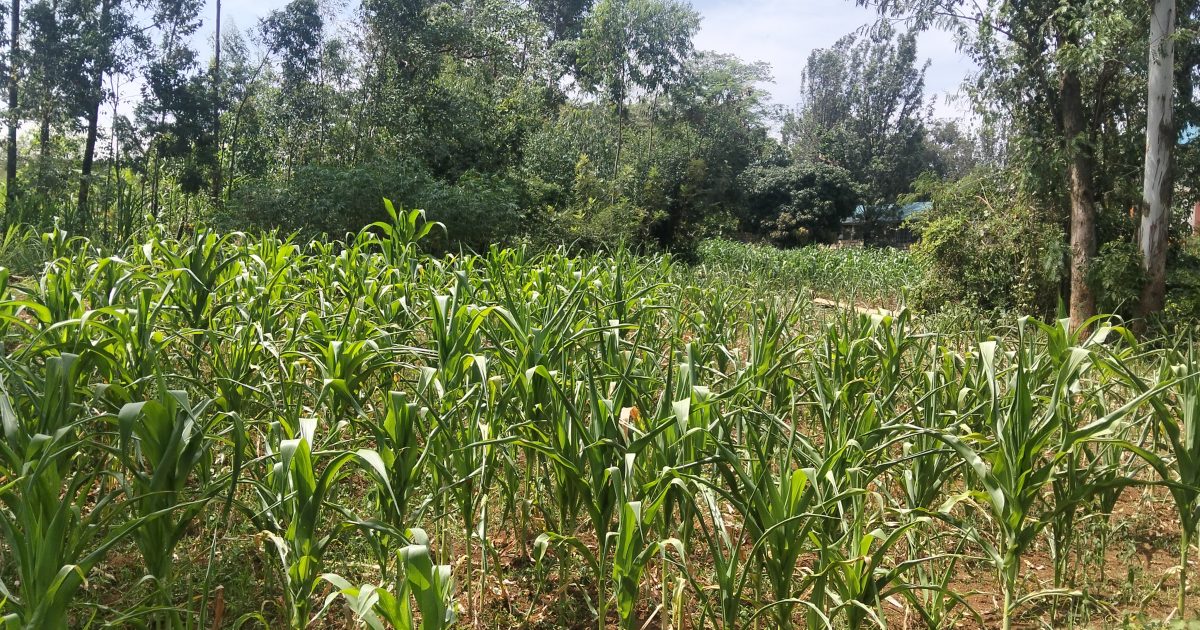
For the past month, the county has experienced intense dry spells that have caused vast stretches of maize to wilt in the fields, threatening food security and livelihoods.
“The shortage will be serious. I cultivated two acres of maize, and the crops initially looked promising until the rains suddenly stopped for a month, causing everything to dry up,” lamented Mr. William Oteyo, a farmer from Suna East Constituency.
Oteyo said almost all farmers in his area are expecting minimal yields this season, dashing earlier hopes of a bumper harvest. Similar conditions were observed in Uriri Sub-County, where hundreds of farms have been left barren due to the persistent dry weather.
The hardest-hit area is Nyatike Sub-County, which borders Lake Victoria, where most maize farms have completely dried up. The only crops still thriving are rice grown in irrigated fields and a few drought-tolerant cassava farms, which now serve as the primary source of food for many households.
The drought has also damaged other food crops, leaving the region on the brink of a serious food shortage.
Mr. Collins Mwita, a farmer from Ntimaru Division in Kuria East Sub-County, said sporadic rains experienced over the weekend brought little relief as they came too late to save the maize crop.
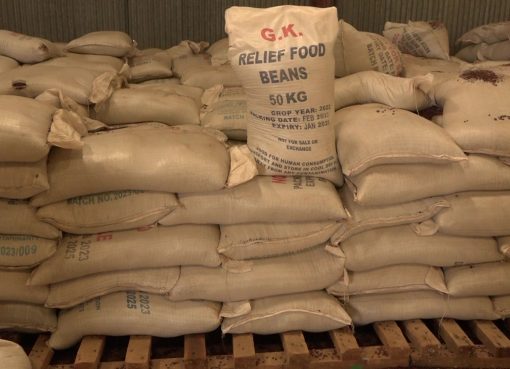
“Our appeal to the government is to provide relief food to cushion us from the looming food crisis caused by the crop failure,” said Mwita.
Confirming the situation, Migori County Executive Committee Member (CECM) Member for Agriculture, Mr. Lucas Mosenda, said the county is facing a marked decline in maize production this season due to prolonged dry spells.
“We are aware of the dire situation confronting our farmers, and the county government will be making pragmatic efforts to mitigate the effects of the poor harvests,” affirmed Mr. Mosenda.
He explained that the drought has led to significant losses, with some farmers resorting to cutting down wilted maize plants that cannot produce grain and using the stalks as livestock feed.
“The prolonged dry conditions have resulted in almost total crop failure in some areas. This directly threatens food availability and household incomes,” he added.
The CECM further urged farmers to adapt to changing climatic conditions by shifting to drought-resilient crops such as sorghum, cassava, and millet to enhance food security in future seasons.
“The climate is changing, and we must adjust our farming practices accordingly. Shifting to resilient crops will ensure that our people do not face hunger whenever rains fail,” said Mr. Mosenda.
By George Agimba