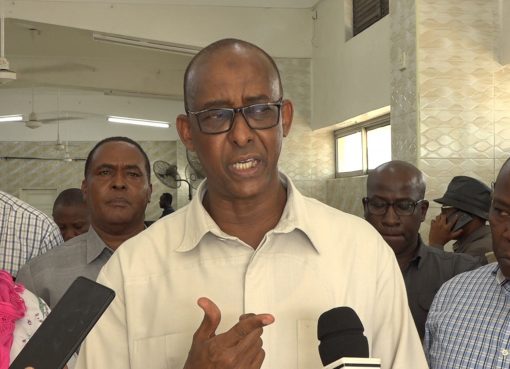
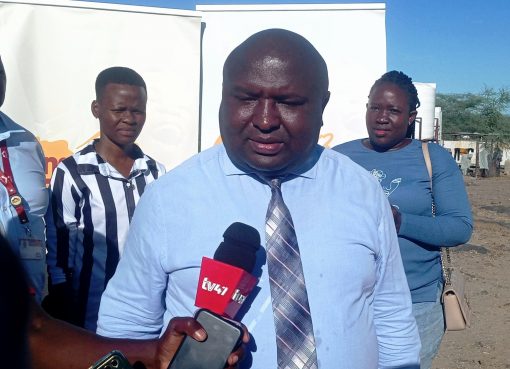
The State Department for Wildlife, under the Ministry of Tourism and Wildlife, has kicked off a public participation exercise for the residents of Mombasa and Kwale counties to collect their views on the review of the Wildlife Conservation and Management Act (CAP 376).
The Act aims at aligning the law with the Constitution, enhancing economic opportunities linked to wildlife, and addressing emerging issues in the wildlife sector.
Speaking at the event held at the Kenya School of Government Mombasa, the Deputy Director State Department for Wildlife and also the team leader, Kabaka Mukonyi, said the review seeks to harmonize the Act with the National Wildlife Policy 2020 and Kenya Vision 2030 while enhancing legal clarity in governance.
“This process is part of our constitutional obligation under Article 10. We want citizens and stakeholders to shape a law that reflects their concerns and aspirations,” he said.
Mukonyi noted that the proposed amendments will address long-standing challenges, including increased cases of human-wildlife conflict, unclear roles between national and county governments, and gaps in compensation and resource-sharing mechanisms with local communities.
The residents of the two counties welcomed the exercise but raised concerns over delayed compensation for wildlife-related damages, delayed response after being attacked by wild animals, lack of compensation when farmers’ livestock and crops are destroyed by wildlife, and restricted access to traditionally communal lands due to gazettement of protected areas.
“We support wildlife conservation, but many of us have lost livestock and crops without any compensation. it is as if the government favors wildlife over human life,” said James Ochieng, an activist from Likoni Mombasa.
Representatives from local administration, i.e., the deputy county commissioner and chiefs, were in attendance and called for a faster compensation timeline and better involvement with the communities in decision-making structures.
“Many people have been injured and others killed by wild animals, and when the cases are reported, it unfortunately takes 5 years for the ministry to respond. How does that benefit a family whose loved one was killed by an elephant five years ago, and who benefits? So, we urge the government to check on that, said Athman Fondo, a chief from the Mwembelegeza location at Kisauni, Mombasa.
The Ministry’s public forums, running from May 7 to May 25, are being held across the country. Citizens can also submit written memoranda to the legal office at the NSSF Building in Nairobi or via email to wildlife2025@tourism.go.ke.
According to a statement by the Principal Secretary Silvia Museiya read by the team leader Mr. Mukonyi, the Wildlife Conservation and Management Act, 2025, seeks to modernize how the nation governs, conserves, utilizes, and shares benefits from wildlife resources.
The Bill proposes reforms in governance structures, sustainable financing, human-wildlife conflict management, enforcement, research, and equitable benefit sharing with local communities.
By Chari Suche and Sitati Reagan