As 2025 draws to a close, Kericho County is taking stock of a year marked by remarkable progress in agriculture, water, climate resilience, and trade infrastructure, reflecting the county government’s accelerated implementation of transformative development projects aimed at boosting economic growth and improving the quality of life for residents.
The wide-ranging initiatives, implemented across all six sub-counties, are set to deliver tangible benefits to residents by expanding access to clean water, modernising markets, enhancing agricultural productivity, and strengthening community resilience, thereby laying a solid foundation for sustainable and inclusive development.
According to the Kericho County Governor Dr. Eric Mutai, the agriculture sector has remained a key pillar of the county’s development strategy, with targeted investments designed to raise productivity, enhance value addition, and increase farmers’ incomes across major value chains.
In tea farming, the county has so far constructed and fully equipped 42 tea buying centers across all 30 wards, benefiting 14,320 farmers by addressing long-standing challenges such as lengthy queues at buying points, inconsistent leaf grading and high transport costs, with the modern facilities also providing storage, weighing, and quality testing services, ensuring improved overall efficiency in the tea value chain.
Meanwhile, the Equalizer Seedlings Empowerment Program distributed 520,000 certified coffee seedlings and 220,000 tea seedlings to over 600 farmers, while pyrethrum production expanded by 360 acres, with 40 acres being put under avocado farming while putting emphasis on dairy value addition projects such as the Torochtany milk cooler being operationalized.
At the same time, livestock improvement programs supplied 7,800 straws of quality bull semen, distributed Juncao and Pakchong napier grass to all 37 dairy cooperatives, renovated more than 80 cattle dips, and vaccinated thousands of livestock thereby reducing disease incidence from 48 percent to 20 percent.
“We are deliberately investing in agriculture to ensure our farmers earn more, reduce losses, and participate meaningfully in value addition across all subsectors,” Dr. Mutai said.
In fisheries development, Mutai has disclosed that 310 fish farmers received 45,000 fingerlings and 20 tonnes of fish feed, while six coffee stores, four drying tables, and three pulping units were constructed to strengthen market access.
On water and climate resilience, the governor has disclosed that projects valued at over Sh94 million were completed in Soliat, Kabianga, Kipkelion, Kapkugerwet, Tendeno/Sorget, Kunyak, Soin, Seretut, Kipchimchim, Londiani, and Kipchebor, alongside 66 additional projects including solarized boreholes, gravity systems, and rehabilitated water supplies.
In the meantime, the ongoing expansion of the Kimugu water project to Cheromit, Tulwet, and Sosiot is set to provide thousands of residents with consistent access to clean and safe water, even as the tendering for the Sh2.3 billion Litein–Itare Water Project is almost complete, a development that also assures residents of a sustainable long-term water supply and also a comprehensive revamping of the Kericho Sewerage System.
“The other mega water projects, such as Kimologit, Kapkures, Kaboloin, and Kiptunoi, are now over 90 percent complete and will permanently resolve chronic water shortages affecting households, agriculture, and public health,” he explained.
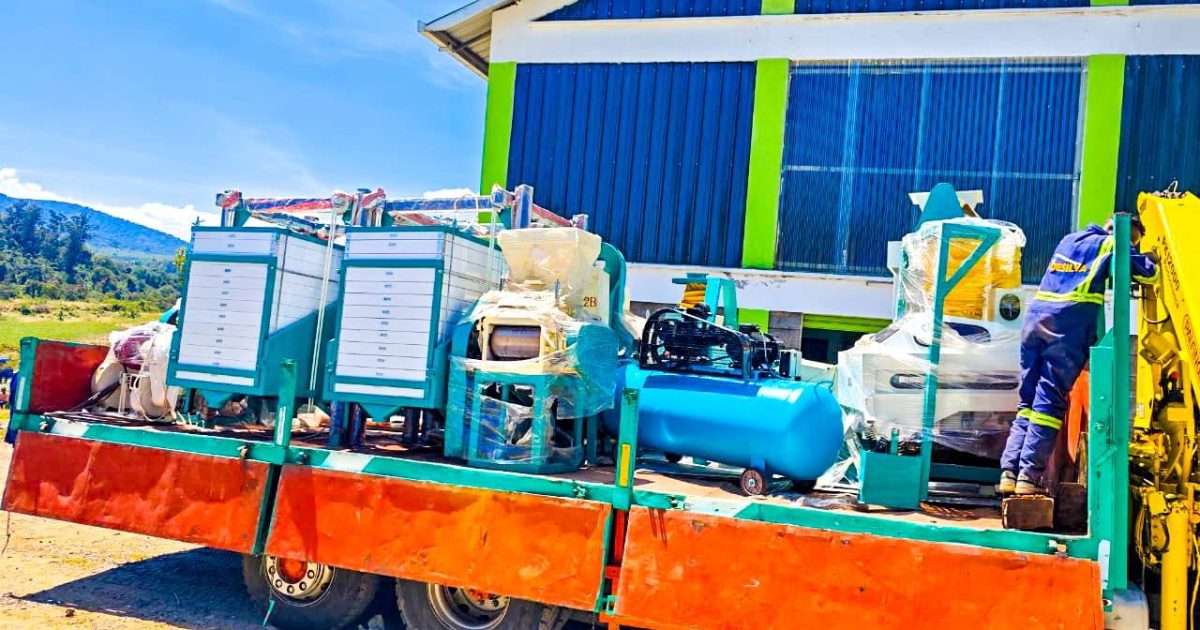
In trade and agro-processing, Dr. Mutai says the Sh197 million Kericho Modern Market, the Roret Pineapple Processing Plant, and the Kedowa Maize Milling Plant are set to decongest towns, reduce middlemen exploitation, create jobs and translate agricultural potential into household prosperity.
He added that the new equipment currently being installed at the Kedowa Milling Plant will be capable of processing over 100 tonnes of maize per day and is fully equipped to handle all operations from dehusking to packaging, and once operational the plant will employ more than 50 people directly and over 200 others indirectly, provide a reliable market for maize farmers, supply affordable animal feeds and support the equalizer school feeding program set to commence next year.
By Kibe Mburu