Campaigns to bolster lung health in Nakuru are bearing fruit through the use of advanced diagnostic equipment and expanding screening efforts beyond tuberculosis to include the detection of chronic respiratory diseases such as asthma and chronic obstructive pulmonary disease (COPD).
For many years, health care facilities across Kenya, both public and private, prioritized the detection, treatment, and prevention of other respiratory diseases such as Influenza, Pneumonia, and Tuberculosis (TB), while chronic respiratory diseases like asthma and COPD were only recognized as significant public health concerns.
And to make matters worse, the Division of National Tuberculosis, Leprosy, and Lung Disease Program indicates that previously most asthma cases were always misdiagnosed and patients given the wrong medicine.
According to County TB and Leprosy Coordinator Dr. Judy Barasa, they are leveraging cutting-edge technologies and data-driven insights to revolutionize lung health care in Nakuru to ensure early detection of communicable and non-communicable lung conditions that are often overlooked.
She added that they were currently providing integrated lung health care that incorporated asthma, COPD, and other respiratory diseases into existing TB monitoring and evaluation systems for a more cohesive lung health response.
Dr. Barasa pointed out that the multi-pronged approach to bolster lung health wellness involved interventions like immunization against pneumonia-causing pathogens (Hib, pneumococcus, measles, and whooping cough), promoting good nutrition and hygiene, and addressing environmental factors like indoor air pollution, which are crucial for preventing pneumonia, particularly in children.
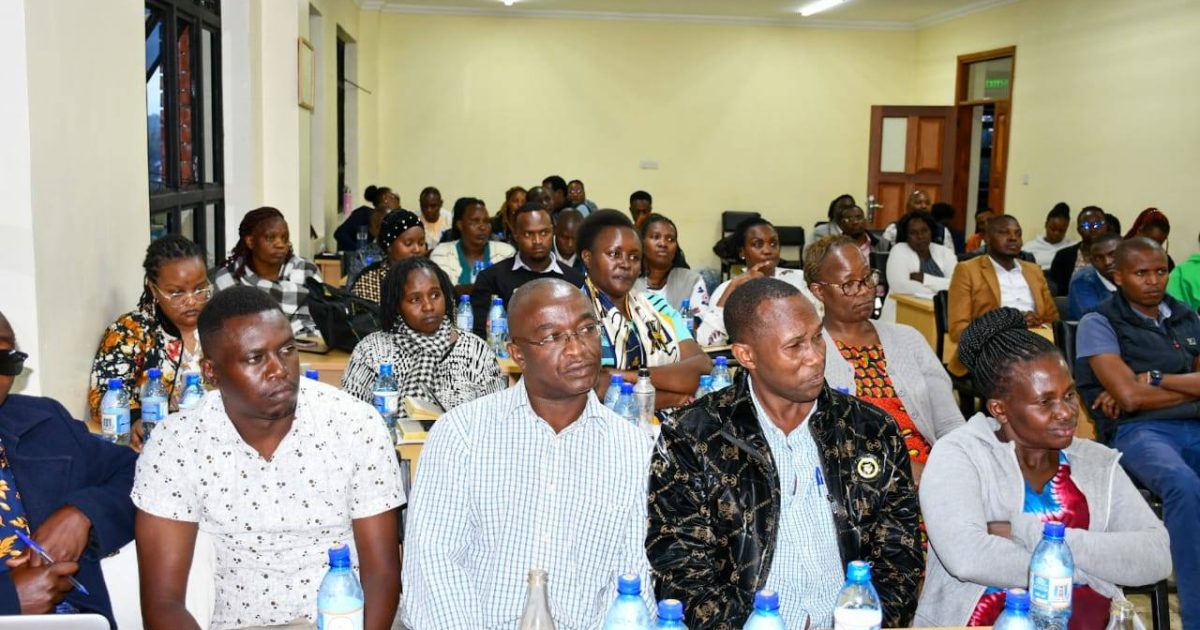
The County TB and Leprosy Coordinator made the remarks during the ‘1st Lung Health Best Practice and Experience Sharing Forum,’ jointly organized by the County Department of Health and the Clinton Health Access Initiative (CHAI), that brought together the first cohort of over 100 healthcare workers from Kuresoi North, Molo, Gilgil, Bahati, Nakuru West and Subukia Sub-Counties.
The forum brought on board key stakeholders in lung health to exchange innovative approaches, lessons learned, and proven interventions that have improved the prevention, diagnosis, treatment, and management of lung diseases, including Tuberculosis (TB), Asthma, Chronic Obstructive Pulmonary Disease (COPD), and other chronic respiratory conditions.
Dr. Barasa described the forum as an ideal platform for knowledge sharing and identifying opportunities to scale up successful interventions while strengthening multi-sectoral approaches to lung health management.
“Towards controlling lung diseases, we are focusing on raising awareness on the importance of smoking cessation, reducing air pollution, promoting vaccinations, and encouraging early diagnosis and management of lung conditions,” she added.
The County TB and Leprosy Coordinator noted that they had deployed advanced diagnostic tools across healthcare facilities, including digital X-rays with Computer-Aided Detection (CAD) technology, spirometry for lung function testing, and molecular TB tests.
These tools, Dr. Barasa explained, enhance the accuracy of diagnoses and enable differentiated management of lung diseases.
She further said that they had Optimized screening and diagnostic algorithms to streamline the identification of various lung conditions, improving efficiency and reducing the chances of misdiagnosis. This, she added, involves integrating symptom-based approaches with advanced diagnostic techniques for precise evaluation.
She assured that comprehensive training programs had been provided for healthcare workers to strengthen their capacity to deliver integrated lung health services. The training, she said, had covered the diagnosis, treatment, and management of TB, asthma, COPD, and other respiratory conditions.
Dr. Barasa was happy that the six sub-counties showcased their best practices in lung health programming and holistic service delivery, highlighting community outreach initiatives, service integration, and patient-centered care models. She announced that the remaining five sub-counties of Nakuru-East, Rongai, Njoro, Kuresoi South, and Naivasha will convene over the same within a week.
In a major step towards improving lung health services and strengthening tuberculosis (TB) diagnosis, the Division of National Tuberculosis, Leprosy and Lung Disease Program (DNTLD-P), in collaboration with Clinton Health Access Initiative (CHAI), in May this year handed over vital lung health diagnostic equipment to health facilities in Nakuru County.
The initiative was supported by GlaxoSmithKline (GSK) and the Bill & Melinda Gates Foundation (BMGF).
The equipment package, consisting of four spirometers, their consumables, and essential recording tools, were distributed to four selected facilities, including Molo District Hospital, Algadir Medical Center, Nakuru County Teaching and Referral Hospital, and Bahati District Hospital.
Dr. Barasa pointed out that adequate nutrition, including exclusive breastfeeding for infants, strengthens a child’s natural defenses against respiratory infections. She added that encouraging good hygiene practices, such as handwashing, and addressing environmental factors like indoor air pollution could reduce the spread of respiratory infections.
“Managing respiratory diseases from an early stage helps patients maintain their normal activities and reduces the impact of the disease on their daily lives, while early treatment and management can reduce the need for expensive hospitalizations and more intensive treatments later on,” she indicated.
The coordinator affirmed that by detecting diseases early, patients could avoid serious complications such as respiratory failure, heart problems, and other related conditions.
Respiratory illnesses remain the most common reasons for hospital visits in Kenya, according to new data released in the Economic Survey 2025. The report, published by the Kenya National Bureau of Statistics (KNBS), highlights that chest-related illnesses accounted for the largest share of outpatient visits in 2024, contributing to 30.2 percent of the total 66.2 million disease cases. This marks a significant rise from 22.4 percent in 2023.
The Ministry of Health in 2024 acknowledged the surge in respiratory infections, particularly noting an increase in influenza cases and the continued monitoring of COVID-19 variants. These respiratory conditions include chronic bronchitis, asthma, and other infections affecting the lungs and airways.
Health experts attribute the rise in respiratory cases to deteriorating air quality and unpredictable weather patterns across the country.
Additionally, respiratory illnesses among children are a major concern. According to the KNBS, respiratory diseases are one of the leading causes of child mortality, contributing to 16 percent of all deaths in children under five. Pneumonia, in particular, is responsible for a large portion of these cases, with over 80,000 children under five being treated for pneumonia annually in Kenyan hospitals.
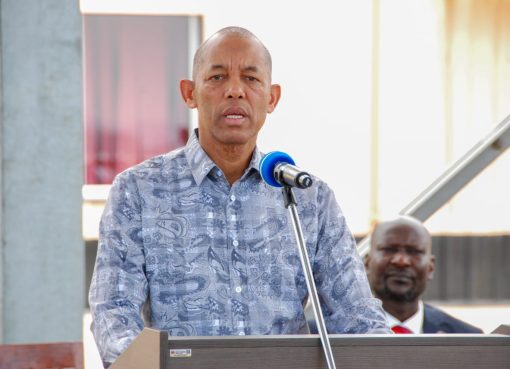
Speaking during the event, Dr. Ibrae Umuro, the Lung Health Focal Person at the National TB Program, emphasized the need for integrating lung health diagnostics into routine service delivery.
He said the diagnostic equipment will significantly enhance capacity to detect and manage chronic respiratory diseases, including TB, asthma, and Chronic Obstructive Pulmonary Disease (COPD).
Dr. Umuro said the initiative aligns with Kenya’s National Strategic Plan for Tuberculosis, Leprosy, and Lung Health (2023–2028), which emphasizes integrated, people-centered care and enhancement of diagnostic capacity.
According to the World Health Organization (WHO), untreated respiratory conditions, such as asthma, chronic obstructive pulmonary disease (COPD), and pneumonia, can lead to serious and often irreversible health complications.
WHO further indicated that if not properly managed, these conditions tend to worsen over time, resulting in reduced lung function and more frequent, intense symptoms like shortness of breath and persistent coughing.
By Esther Mwangi