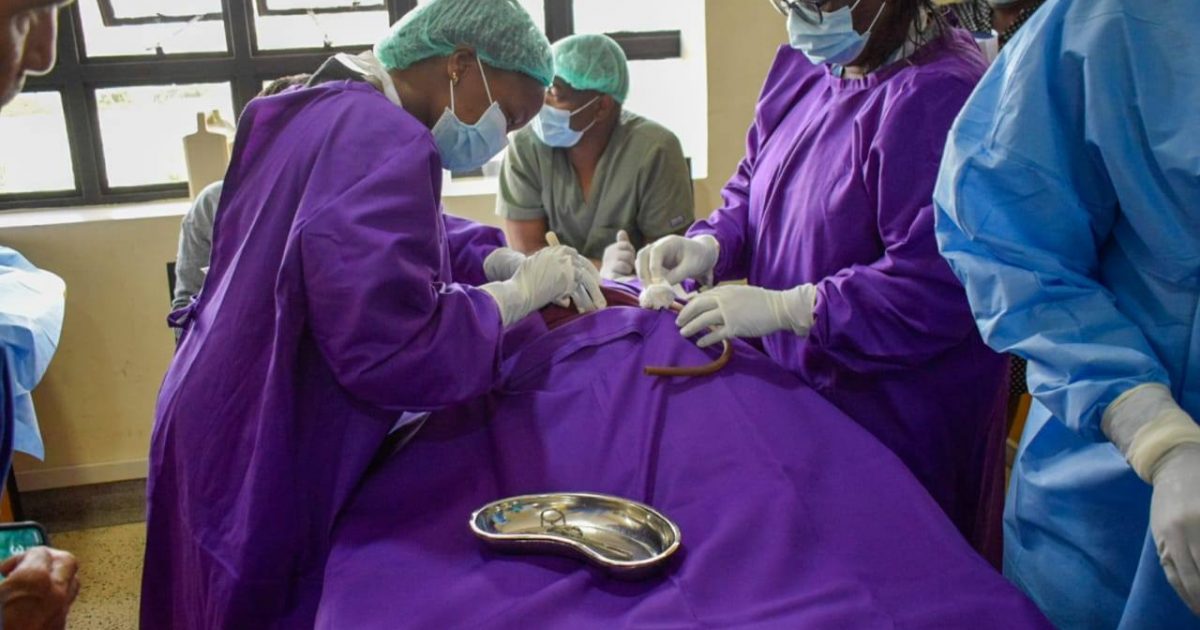
Surgical teams from five public health facilities in Nakuru are undergoing a specialised training programme focused on safe obstetric surgery geared towards improving maternal and newborn outcomes.
The training supported by Jhpiego Johns Hopkins Programme for International Education in Gynecology and Obstetrics and facilitated by experts from the Global Surgery Foundation (GSF) and AIC Kijabe Hospital is targeted at over 60 obstetricians, anesthesiologists and theatre nurses drawn from Nakuru County Training and Referral Hospital (NCTRH), Naivasha, Gilgil, Bahati, and Molo Sub-County Hospitals.
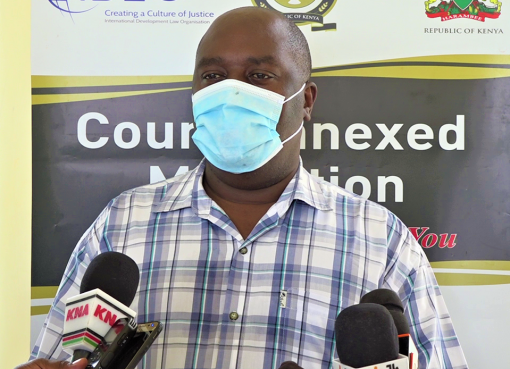
While noting that the training is crucial for maintaining high standards of surgical practice and keeping up with advancements in medical technology, County Director for Health Services Dr. Daniel Wainaina pointed out that the initiative is enhancing technical and non-technical skills of the surgical teams, promoting patient safety, and fostering effective teamwork.
Speaking when he inaugurated the programme at NCTRH, Dr. Wainaina explained that the training features simulation-based learning and practical sessions aligned with World Health Organisation (WHO) global guidelines for preventing surgical site infections. This approach, he added, ensures consistent application of best practices across all the county health facilities.
“The initiative is part of a broader effort to strengthen the efficiency of Nakuru’s surgical workforce. By enhancing surgical capacity and skills, we aim to significantly reduce preventable maternal deaths and improve outcomes of cesarean deliveries,” he said.
The training is also focusing on utilising the World Health Organisation’s (WHO) Surgical Safety Checklist and adhering to infection prevention measures. The training further aims to address concerns about maternal and newborn safety during childbirth and ensure that surgical procedures are performed by qualified personnel.
Dr. Wainaina indicated that the training programme involves a team-based approach, focusing on enhancing communication and teamwork among surgical staff and would cover a range of obstetric surgical procedures, including Cesarean sections, assisted vaginal deliveries and other critical interventions.
The Director affirmed that a significant emphasis would be placed on safety in the operating theater, including the proper use of surgical equipment and adherence to safety protocols as this will contribute to a stronger, more skilled surgical workforce, ultimately leading to improved maternal and newborn health.
He emphasised the importance of upholding professional standards in surgical practices adding that there is a need to enhance surgical training programmes to ensure that practitioners are equipped with the necessary skills to handle various surgical procedures.
Jhpiego, known as the John Hopkins Programme for International Education in Gynecology and Obstetrics, is a non-profit international health organisation affiliated with Johns Hopkins University. Founded in 1973, Jhpiego focuses on developing and implementing effective, low-cost solutions to strengthen healthcare delivery for women and families globally.
It works to improve maternal and newborn health, family planning, HIV/AIDS prevention and treatment, and other critical areas of women’s health. Its work also includes developing training materials, strengthening health systems, providing technical assistance, and advocating for policy changes to improve health outcomes.
Jhpiego operates in numerous countries across Africa, Asia and America, adapting its programmes to address specific local needs and challenges. It partners with governments, health experts, and local communities to build health providers’ skills and develop systems that ensure access to high-quality care.
Dr. Wainaina disclosed that the training programme is incorporating technology, such as virtual reality and video-based learning, to provide the surgical teams with immersive and realistic experiences.
The Director noted that surgical teams required sufficient hands-on experience in operating rooms to develop the necessary skills and confidence, which could be affected by factors like limited theatre access and service delivery pressures.
The training initiative, he said, is geared towards improving patient safety by ensuring that surgical teams are well-prepared and competent in handling various surgical scenarios.
The Director noted that obstetric and gynecological surgery requires specialised training, continuous competency assessments, and strict adherence to globally accepted medical and surgical safety standards.
He urged stakeholders in the medical sector to uphold professional standards, strengthen surgical training programmes, enhance oversight and regulation, and engage in meaningful consultations to ensure patient safety.
“The County Department of Health Care Services is subject to medical ethics and professional standards. Our duty and responsibility is to ensure that every Kenyan receives quality healthcare that aligns with best medical practices, established legal frameworks, and global patient safety guidelines,” affirmed Mr Wainaina.
The Director regretted that complications during childbirth remained a leading cause of maternal deaths, and that the training was crucial for improving outcomes adding that obstetric and gynecological surgeries required specialized training and competency assessments.
The training also includes post-discharge surveillance protocols, such as follow-up calls and visits, to monitor patients’ recovery and identify any potential issues.
The World Health Organisation (WHO) has developed guidelines for surgical procedures, including those for obstetric and gynecological cases, to improve safety and reduce complications.
By Jane Ngugi