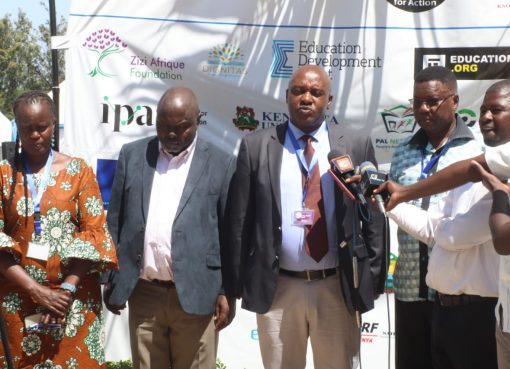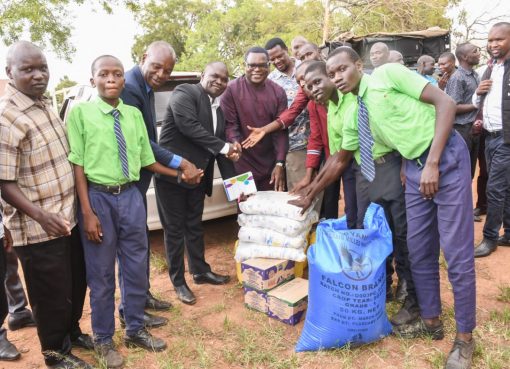
In a significant move to strengthen barley farming in Narok County, the Department of Agriculture held a consultative meeting with barley farmers and representatives from Kenya Breweries Limited (KBL) to address urgent issues affecting the barley value chain.
The meeting, which brought together key stakeholders, focused on barley pricing, rising production costs, timely fertiliser access, and KBL’s need to contract farmers before planting seasons.
Participants also reviewed progress on the Enegetia Cereal Project, earmarked for renovation by KBL.
During the meeting, it was revealed that the County Government has already allocated land for a new brewery plant.
The facility will not only improve access to farm inputs and provide modern post-harvest services such as drying and storage but also create employment opportunities for residents.
Chief Officer for Agriculture, Biarose Chemutai, reaffirmed the County’s commitment to empowering farmers.
“We are working closely with strategic partners such as KBL to ensure farmers are supported through favourable policies, timely input supply, and access to markets,” said Chemutai.
“Our focus is on making barley farming a reliable and sustainable source of income for our people.”
Chief Officer for Livestock, Queen Kimorgo, stressed the need for a holistic approach to agricultural development.
“Strengthening the barley value chain goes hand in hand with improving livestock feed availability and boosting economic resilience in our rural communities,” she stated.
“This collaboration will unlock value for both crop and livestock farmers.”
Barley farming in Narok County dates back to the early 1980s, when large-scale production was first introduced in response to growing demand from the brewing industry in the country.
The County remains the leading barley-producing region in Kenya, contributing more than 40% of the national output annually.
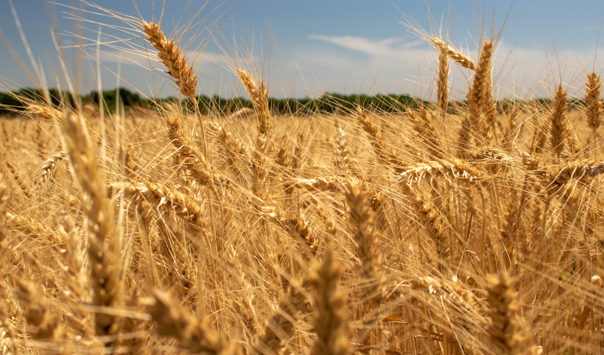
The crop is primarily grown for malting purposes, with KBL being the largest off-taker. Seasonal production cycles are aligned with rainfall patterns, and farmers typically plant between March and May, harvesting between July and August.
Despite challenges such as high input costs and erratic weather, barley yields have remained relatively stable due to ongoing partnerships between farmers, the County Government, and the private sector.
Economically, barley farming plays a crucial role in the rural livelihoods of Narok. It generates direct income for over 15,000 farming households and indirectly supports thousands more through input supply, transport, and post-harvest services.
The planned establishment of a brewery plant in the County is expected to further enhance value addition, create local employment, and reduce post-harvest losses.
By Lamech Willy.A