The Ministry of Education has reiterated its commitment to ensuring that all eligible secondary school students acquire national identity cards, following the successful launch of the Presidential Directive Program in Kericho County.
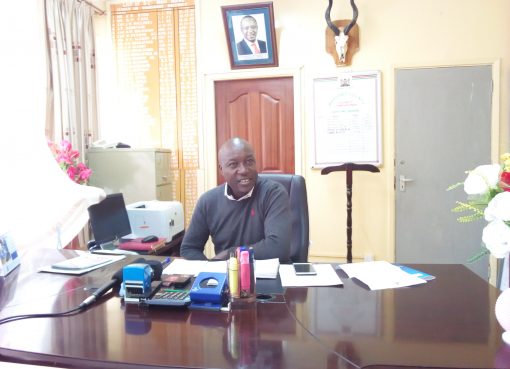
In an interview with KNA, Kericho County Director of Education Julius Ngoneshi described the initiative as a “golden opportunity” for learners, adding that a national ID serves as a gateway to critical services such as HELB loans, university and TVET enrolment, passport acquisition, and other government benefits.
Ngoneshi encouraged students who are yet to apply to take advantage of the upcoming midterm break to gather and submit the required documents, including a copy of their birth certificate and their parents’ national identity cards emphasizing the need for parental involvement in the process.
“We are appealing to parents and guardians to support the initiative. Their cooperation is essential to ensure that no student is left out. This program is not just about issuing identity cards; it is about empowering our young people to access government services such as HELB loans, employment opportunities, and other critical benefits that require national identification,” said Ngoneshi.
Ngoneshi said the initiative was in line with their mission to ensure that no student is left behind, adding that having a national ID enables learners to access government services, apply for higher education, and begin shaping their future.
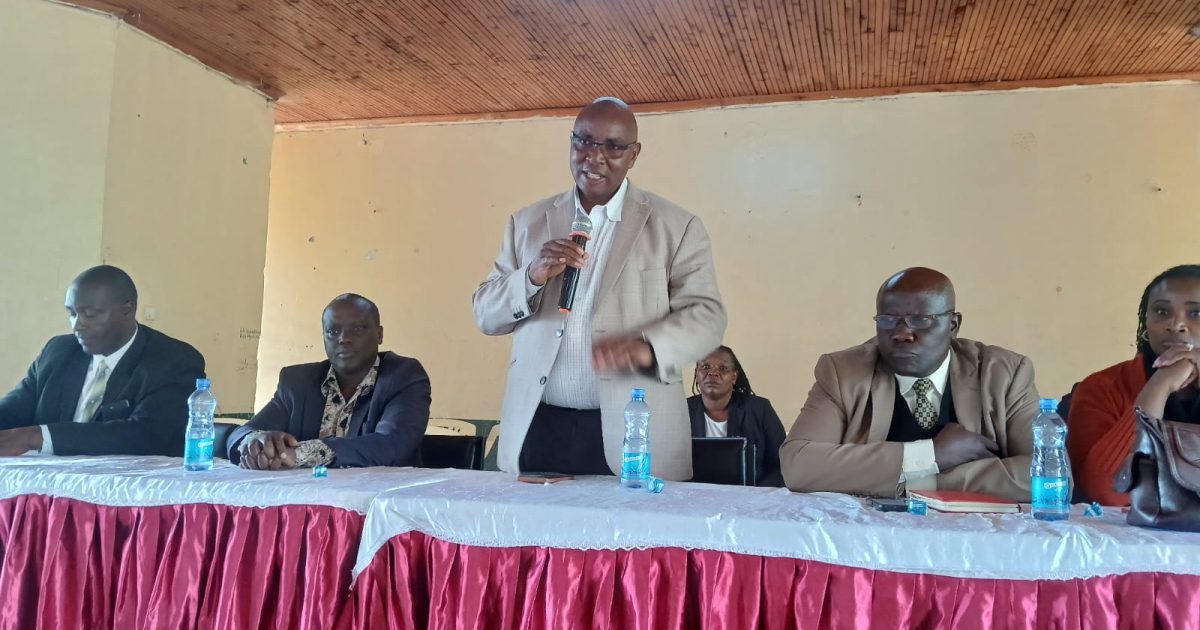
Presiding over the launch event, Kericho County Commissioner Gilbert Kitiyo described the drive as a key component of the government’s broader youth empowerment strategy, emphasizing that equipping students with national identity cards not only facilitates their access to vital government services such as HELB loans, NHIF, and passport applications, but also marks a critical step toward enabling them to participate meaningfully in the country’s socio-economic development.
“The registration drive goes beyond the mere issuance of documents. It is a strategic empowerment initiative aimed at enabling our young people to take ownership of their futures by granting them access to essential government services, higher education opportunities, and the ability to participate meaningfully in civic and national development processes,” he said.
Kitiyo noted that the recent scrapping of the vetting requirement has significantly streamlined the application process, allowing students to register more quickly and with greater ease. He added that the programme is set to be rolled out in the county’s six sub counties as part of a broader national effort to ensure all eligible learners are reached.
“However, to prevent any disruption to third term academic activities and the administration of national examinations, the registration exercise will not proceed into the final term of the school year. This decision has been made deliberately to allow students ample time to concentrate on their studies and prepare adequately for their exams without the distraction of external engagements during this crucial period.” Kitiyo said.
The Ministry of Education emphasized that acquiring a national ID is now an essential step for school leavers, particularly those transitioning to higher education or vocational training institutions. By embedding the registration process within the school environment, the Ministry is not only promoting civic responsibility but also helping students secure access to critical post-secondary opportunities.
A total of 149 students from Kericho Day Secondary School were registered for national IDs during the launch, which marked the beginning of a county-wide rollout. The exercise is a collaborative initiative between the Ministry of Education, the Ministry of Interior, and the National Registration Bureau (NRB), and is expected to be implemented progressively in other secondary schools across the region.
Through this initiative, the Ministry reaffirmed its commitment to preparing students for both academic and civic success, ensuring that no student is left behind as they journey toward adulthood and national development.
By Gilbert Mutai