Kenya’s landmark National Wildlife Census 2024–2025 is entering its final stretch, with operations currently underway at the breathtaking Lake Turkana National Parks including Sibiloi, Central Island and South Island.
The three-day exercise, seeks to identify species present, update their population estimates from previous counts and collect crucial data to inform conservation planning, habitat protection, land-use decisions and overall wildlife management at the national level.
The exercise is being spearheaded by the Wildlife Research and Training Institute (WRTI) in collaboration with the Kenya Wildlife Service (KWS), the State Department for Wildlife and key partners including the county governments of Turkana and Marsabit.
The Senior Assistant Director for Wildlife Conservation in Northern Kenya, Bakari Chongwa expressed strong confidence in the ongoing National Wildlife Census, emphasizing its importance in reinforcing the role and mandate of the Kenya Wildlife Service (KWS).
“We are confident that the outcomes of this census will not only validate the vital work KWS undertakes on the ground, but will also enhance our day-to-day conservation operations,” he stated.
“The data generated will be key in developing park-specific management plans, informing conservation priorities and supporting the successful delivery of the KWS Strategic Plan 2024–2028.
It also contributes directly to achieving the objectives of the National Wildlife Strategy 2030, in alignment with the aspirations of the National Wildlife Policy,” said Chongwa.
The current census phase is being conducted via total aerial count, covering approximately 1,725.5 square kilometers of vast, rugged landscape in the Turkana basin.
This area is a critical stopover for 34 species of Palaearctic migrant waterbirds and important breeding grounds for birds such as the Great Cormorant, Reed Cormorant and Red-headed Gull.
The terrain itself is equally remarkable, defined by extinct volcanic flows, sandy shores, rocky outcrops and fossil-rich sedimentary formations that have yet to be fully explored or catalogued.
Principal Research Scientist at the Wildlife Research and Training Institute (WRTI) and Team Leader for the census Benard Ngoru, expressed appreciation to the entire team for their dedication and resilience throughout the exercise.
“I commend the team for their unwavering commitment from the start of this nationwide census to its final leg here in Turkana,” he said.
“We now head to the final stages of data consolidation and analysis, and we look forward to delivering the results soon. These findings will play a crucial role in guiding policy formulation, management planning, and evidence-based conservation actions across the country,” he added.
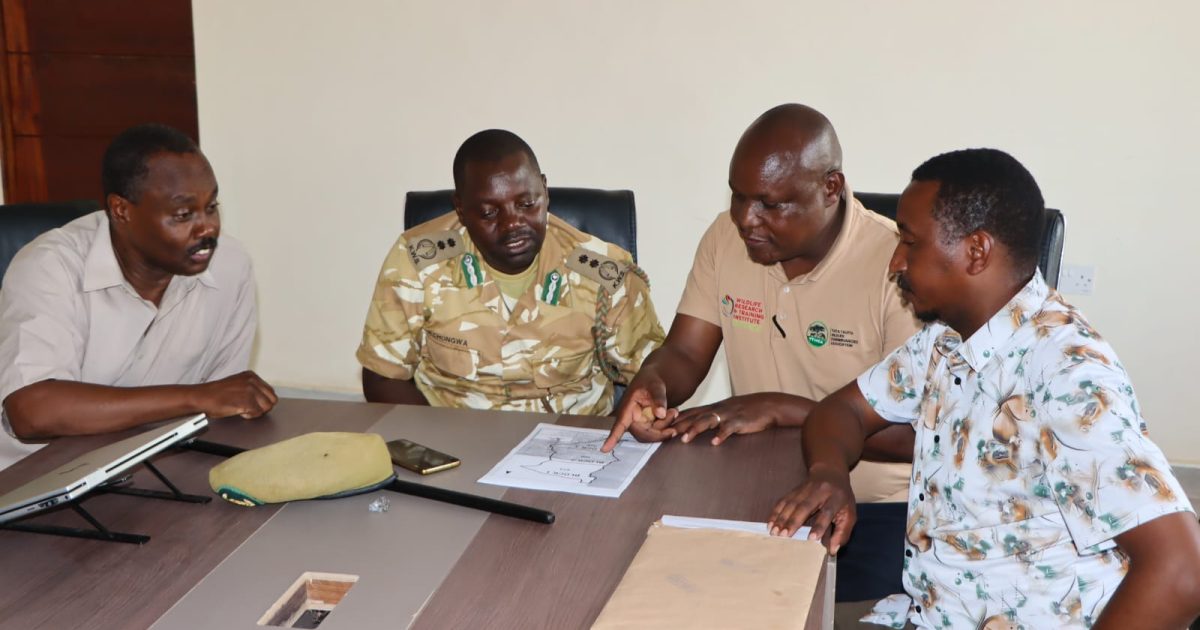
Ahead of the deployment, teams held a comprehensive briefing to coordinate on logistics, safety measures, and aerial protocols, ensuring efficient and secure execution across this ecologically critical yet logistically demanding landscape.
Importantly, the census fulfills a legal mandate under the Wildlife Conservation and Management Act (Cap. 376, Amended 2013), which requires the Cabinet Secretary in charge of wildlife to periodically furnish the National Assembly with updates on the country’s wildlife population.
This ensures transparency and builds public awareness of Kenya’s priceless natural assets.
As this ambitious, historic census nears completion, it stands as a powerful testament to Kenya’s commitment to data-driven conservation and the long-term stewardship of its wildlife heritage.
These iconic parks, situated in the northern frontier, are more than just wildlife habitats, they are globally celebrated ecosystems designated as UNESCO World Heritage Sites, Ramsar wetlands, and Important Bird Areas (IBAs), particularly vital for Palaearctic migratory birds.
The region is also internationally revered as the Cradle of Mankind, with rich archaeological and paleontological significance.
The Lake Turkana Parks host an astonishing range of biodiversity, including hippos, Nile crocodiles, tilapia, Nile perch, flamingos and the striking northern animal ‘Topi’ locally known as the ‘Tiang’ primarily found in Sibiloi.
By Peter Gitonga