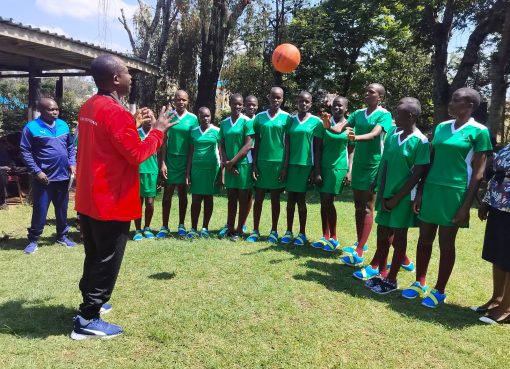
The National Fund for the Disabled of Kenya (NFDK) has donated educational grants worth Sh 5.4 million to 27 institutions that cater for learners with disabilities in Western Region.
The Funds are meant to improve facilities and infrastructure, build capacity and create a conducive learning environment for learners with various disabilities.
In addition, the region has benefitted from the Fund’s flagship programmes with 21special needs institutions receiving Sh3million each for construction and improvement of dormitories, dining halls, ICT labs and classrooms.
NFDK Trustee Prof. Julia Ojiambo noted that many children with disabilities remain deprived despite the progress made in crucial policies geared towards expanding access to education.
“In spite of remarkable progress in policies geared to expanding access to education, it is unfortunate that many children with disabilities are left behind, however such facilities provide safe, non-violent inclusive and effective learning environments for all,” she noted.
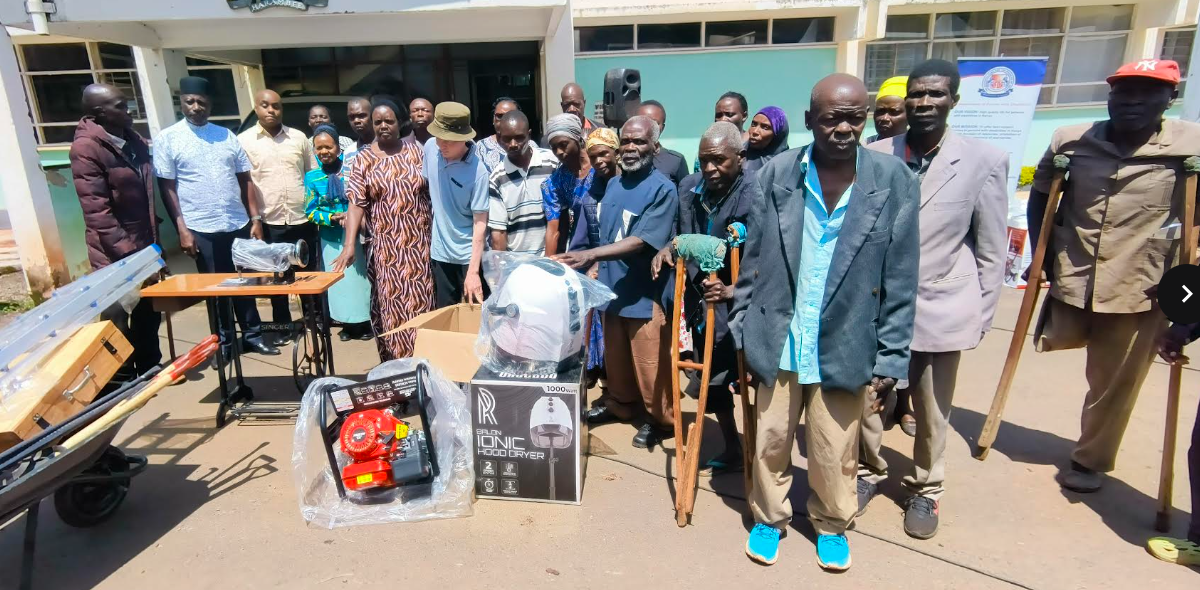
At the same time NFDK distributed tools and rehabilitative equipment worth Sh 843 334 to 22 PWDs from Kakamega East and Kakamega North sub counties.
The tools included car washing machines, masonry equipment, welding tools, hair salon kits, sewing machines among others.
“Such livelihood opportunities go a long way in breaking down barriers both physical and attitudinal attached to the capacity of persons with disabilities and perceptions that they are either unable to work or cannot be accommodated in the work places,” she added.
She noted that the Fund receives between 7000 and 10 000 applications per year for assistance but they are only able to support an average of 2500.
“We are grateful that we are able to do something and those who have not been able to benefit this year, their applications are still with us we will reach out to them later,” she added.
Prof. Ojiambo noted that the support they have been giving out is positively transforming the lives of PWDs in the society.
“The people who have received donations from the fund are using them very well, in most towns in Kenya you don’t find people with disabilities standing by the roadside begging to be given food to eat, clothing to wear or means of movement,” she said.
Adding, “We have been able to channel them in mainstream economic activities and they are able to sustain themselves,”
She said that the Fund will follow up and monitor the progress of the beneficiaries in the businesses they will be engaging in and from where they will be working from.
“And for the institutions you will be expected to make account of the utilization of the grants received today. To all beneficiaries, as you receive the assistance you have applied for, whether a grant, tool of trade or assistive device, please use it for the intended purpose,” she noted.
Prof. Ojiambo called on all stakeholders to join the fund in changing the narrative through inclusive programming to realize a society that is free from environmental, attitudinal and social barriers for people with disabilities.
By Moses Wekesa and Felecky Muthami