The National Gender and Equality Commission (NGEC) is drafting a bill to secure the rights of widows, even as gender rights advocates push for urgent legal and institutional reforms to safeguard vulnerable groups in the country.
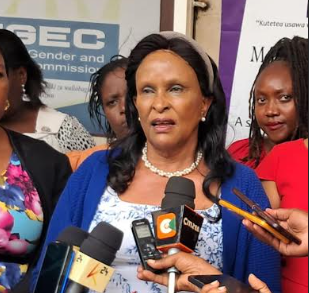
Speaking in Malindi town during a stakeholder engagement, NGEC Commissioner Dr. Margaret Karungaru said that many widows, especially those in polygamous unions, are routinely denied inheritance and legal recognition due to the lack of a specific law to address their rights.
“Their stories are heart breaking. This bill seeks to uphold their dignity, address legal gaps, and ensure justice in complex family structures,” Dr Karungaru said during a high-level stakeholder engagement in recognition of the International Widows Day.
The engagement that was held at the NGEC offices in Malindi town, brought together participants from government ministries, civil society and national commissions.
The stakeholders were united in calling for specific femicide laws, stricter bail terms for sexual and gender-based violence (SGBV) suspects, and expanded support systems for survivors.
James Chapa, and officer at the Muslim Women Advancement and Protection Organization, cited lenient bail conditions as a major hurdle in SGBV cases.
“When suspects are released on bond, they often intimidate victims and interfere with cases. Stricter bail terms would protect survivors and preserve the integrity of prosecutions,” he said.
Chapa also highlighted the alarming prevalence of incest and abuse of elderly persons in Kilifi County, issues that he said were often buried under family silence or property-related motives.
Echoing his sentiments, Kilifi County Gender Director Georgina Dulu stressed the urgent need for femicide-specific legislation in order to end the vice that has started taking root in the country.
“Recent public engagements show overwhelming support for this. There’s currently no dedicated law targeting femicide in Kenya,” she noted.
Dulu also drew attention to the critical shortage of survivor shelters for victims of gender-based violence, especially the elderly who have become soft targets for murders arising from suspicion that they practise witchcraft.
“We have only two small privately-run safe houses for adults in Ganze and Magarini, and one women’s shelter in Mtwapa. This is far from sufficient for a county of this size,” she said.
She noted that that child survivors of SGBV are temporarily housed by the Department of Children Services as they undergo judicial processes.
Beatrice Zighe from the NGEC Coast Regional Office called for increased awareness on the rights of widows and the elderly, noting that cultural myths and legal ignorance continue to fuel discrimination and violence.
By Jensiline Lugua and Brian Mwange