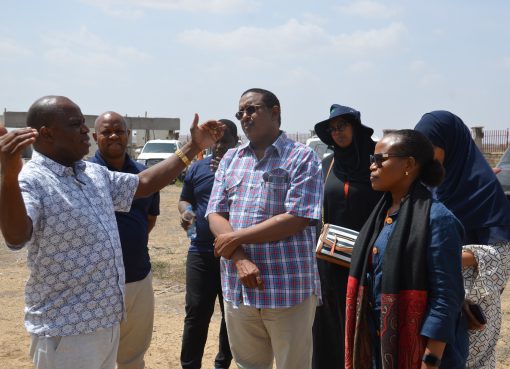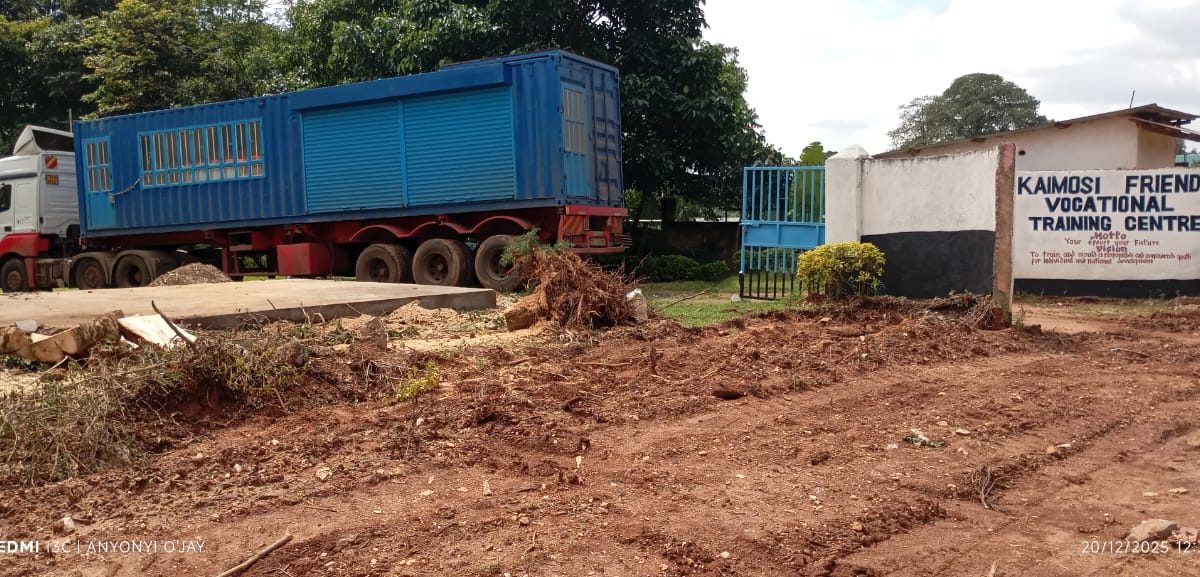
Fish farmers in Vihiga County have received a significant boost following the completion of two modern fish kiosks, which aim to improve market access and value addition for locally produced fish. The kiosks, located at Chavakali Shopping Centre and Kaimosi Vocational Training Centre, are now ready for use as farmers continue to harvest their fish.
The initiative is supported by a Non-Governmental Organization, Norwegian Agency for Development Cooperation (NORAD), through the Advancing Resilient and Nutrition-Sensitive Smallholder Agriculture (ARNSA) Project, a NORAD-funded programme being implemented in Kenya.
The project seeks to strengthen smallholder agriculture, enhance nutrition, and improve livelihoods through sustainable food systems.
The new kiosks are expected to promote fish consumption, reduce post-harvest losses, and provide farmers with reliable outlets to sell their produce.
Kenya’s per capita fish consumption currently stands at 4.3 Kilogrammes, significantly lower than the African average of 9.7 Kilogrammes and the global average of 20 Kilogrammes, underscoring the need to increase domestic production and value addition.
The fisheries sector plays a critical role in Kenya’s economy, supporting more than 1.2 million livelihoods and contributing about 0.6 per cent to the country’s Gross Domestic Product (GDP). However, Kenya continues to face a fish deficit of over 436,000 metric tonnes due to rising demand and underutilization of marine and inland resources.
Kenya produces approximately 170,000 metric tonnes of fish annually, with about 85 per cent coming from inland freshwater sources such as Lake Victoria, Lake Turkana, Lake Naivasha, as well as rivers and dams.
Initiatives such as the Vihiga fish kiosks are therefore expected to strengthen the fisheries value chain, enhance food security, and improve incomes for local fish farmers.
By Rose Wasike