The Kenya Medical Research Institute (KEMRI) has sounded an alarm over the severe nurses’ shortage in the country’s public hospitals, warning that the crisis is undermining care for sick and premature newborns despite the availability of advanced medical technologies.
The findings were presented by Dr. Michuki Maina from the Harnessing Innovation in Global Health for Quality Care (HIGH-Q) project, which assessed neonatal services in eight county hospitals that are part of the Clinical Information Network where the Newborn Essential Solutions and Technologies (NEST 360°) programme has been introduced.
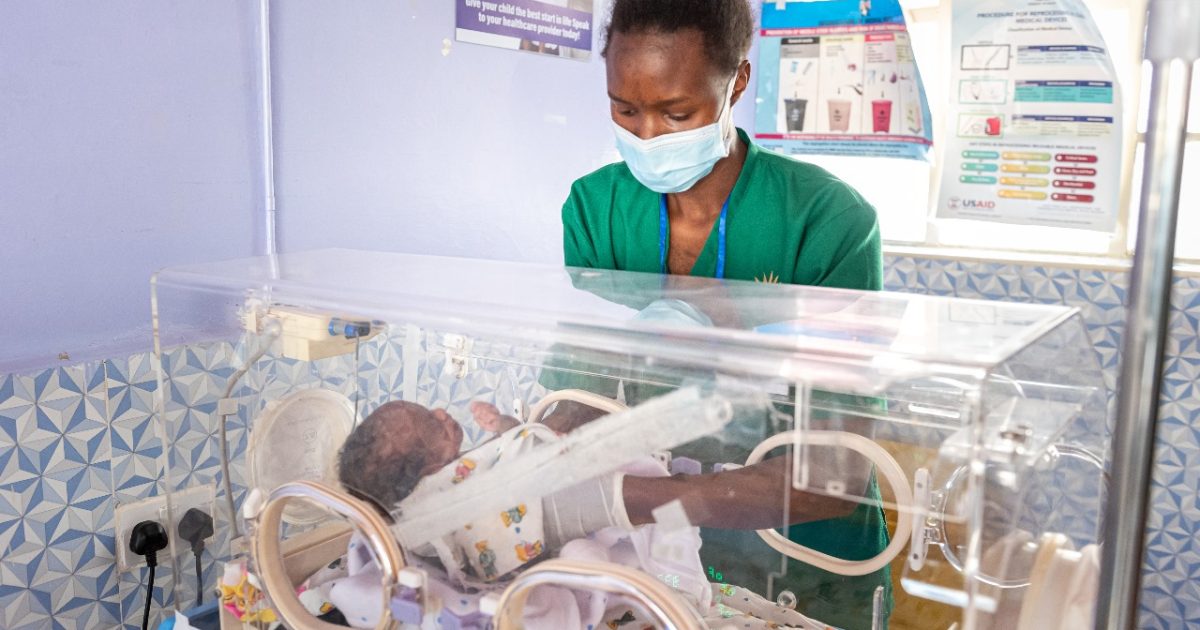
According to the research, nurses in newborn units were often responsible for more than 25 babies during a single shift, leaving them with an average of only 30 minutes per baby in 12 hours. International standards recommend no more than four infants per nurse to ensure safety and quality care.
The study warned that such ratios mean babies receive only a fraction of the monitoring, feeding support, and infection control they require, raising the risk of preventable deaths.
It further highlighted that while equipment such as incubators, oxygen concentrators and monitors are increasingly available, these technologies cannot function without skilled and attentive staff.
“A piece of equipment cannot provide comfort, feed a baby or reassure a mother. Without adequate nursing support, the promise of technology will remain unfulfilled,” said Dr. Maina.
Overcrowding was identified as a major concern in most of the hospitals studied. Some neonatal units were designed for fewer than 15 babies but were routinely accommodating more than 40. In such conditions, infection control becomes difficult, and families struggle to find space.
The absence of private areas forces mothers to improvise in open wards, undermining their dignity and exposing them to stigma.
The research further revealed the shortage was taking toll on nurses themselves, who reported stress, exhaustion and emotional fatigue. Many struggled to balance life-saving tasks such as resuscitation and administering medication with basic caregiving responsibilities.
Some withdrew emotionally as a coping mechanism, focusing only on essential tasks. Mothers in the study reported feeling neglected, confused and anxious due to limited communication with the overstretched staff.
Principal Investigator Prof. Mike English said the findings give the clearest picture yet of the realities inside Kenyan newborn units.
“For the first time we have a detailed understanding of the challenges faced by nurses and the effects of very high workloads on their ability to care for sick newborns, use new equipment effectively and support mothers and families. Put simply, it will be hard to advance quality of care to the level we all want to see without improving nurse staffing and the wards in which doctors, nurses and mothers must work together,” said Prof. English.
The project piloted several strategies to address these challenges. Modest increases in nurse numbers improved teamwork and slightly increased time spent with each baby, but staffing remained far below safe international thresholds.
The introduction of ward assistants to handle tasks such as cleaning, weighing babies, and assisting mothers helped reduce the burden on nurses and improved infection control.
Training nurses in communication skills was also found to improve self-awareness and relationships with parents and colleagues, making mothers feel more supported.
Researchers recommended urgent measures including hiring more nurses, redesigning newborn wards to improve efficiency and respect for patients, formalising the role of ward assistants, and incorporating emotional and communication skills into routine training.
They warned that failing to address workforce shortages would jeopardise Kenya’s progress towards reducing neonatal mortality.
KEMRI Director General Prof. Elijah Songok described the report as a wake-up call.
“Workforce development is central to building a resilient health system. We hope these findings will guide efforts in strengthening our workforce, improving hospital environments and ensuring every newborn receives the quality care they deserve,” said Prof. Songok.
Kenya continues to record high neonatal mortality rates, with 19 deaths per 1,000 live births according to the 2022 Kenya Demographic and Health Survey.
The government has committed to reducing this to 12 deaths per 1,000 by 2030 in line with the Sustainable Development Goals (SDGs). Experts say reaching this target will require significant investment in health workers, particularly nurses, who form the backbone of newborn care.
Globally, the World Health Organization (WHO) recommends that low- and middle-income countries strengthen both infrastructure and human resources to address newborn survival.
Kenya has made strides by adopting technologies such as incubators and continuous positive airway pressure (CPAP) devices through partnerships like NEST 360°, but experts caution that without adequate staffing, these tools cannot deliver their full impact.
The HIGH-Q project is a collaboration between KEMRI-Wellcome, the Kenya Paediatric Research Consortium (KEPRECON) and the University of Oxford. It is funded by the UK’s Nationalnitu Istte for Health and Care Research through international development assistance.
Researchers emphasised that newborn survival depends not only on machines but also on the hands-on care and emotional support provided by nurses and mothers.
“Technology is important, but it cannot replace the watchful presence of a nurse at a baby’s bedside,” said Dr. Maina.
As Kenya works to strengthen its health system, the study underscores the urgent need to address human resource gaps in neonatal care. Without immediate action, experts warn, thousands of newborns will continue to die from preventable causes despite the presence of modern equipment in hospitals.
By Naif Rashid