Nyeri County is among counties staring at the possibility of reduced food production following reduced October –November-December rains.
The monthly bulletin from the National Drought Management Authority (NDMA) for the month of November placed the county in the “normal” drought phase in terms of worsening stress, particularly in water and livestock.
This is despite the October bulletin, which had promised good milk, livestock conditions and below-normal water coping mechanisms as active, with farmers having planted their crops early.
“Nyeri County was in the ‘Normal’ drought phase, experiencing worsening stress, particularly in water and livestock, despite the October 2025 bulletin showing good milk, livestock conditions and below-normal water distances, with coping mechanisms active as farmers planted early crops. The National Update for November confirms Nyeri in the ‘Normal’ phase but rates worsening trends, meaning ongoing monitoring is key,” read the November advisory.
Thirteen counties have already been placed in the “normal” drought phase, nine in the “alert” and one in the “alarm” phase category.
Among counties in the ‘alert’ stage are Wajir, Garissa, Kilifi and Marsabit.
“These nine counties on alert stage require close monitoring due to emerging drought conditions and potential impacts on food security, water access, and pasture availability.
Mandera County is the one classified in the ‘Alarm’ drought phase and requires urgent action,” reads the NDMA report published on December 8, 2025.
Those in the ‘normal’ phase include Turkana, Taita Taveta, West Pokot, and Tharaka Nithi, among others.
Central Region NDMA coordinator Abdi Yusuf says they expect to issue a comprehensive report for the region towards the end of the month with any needed intervention measures, if any.
He said the Government is still monitoring the situation, especially in areas of Mwea East, parts of Murang’a and Kieni, which have previously been known to be drought-prone due to erratic rains.
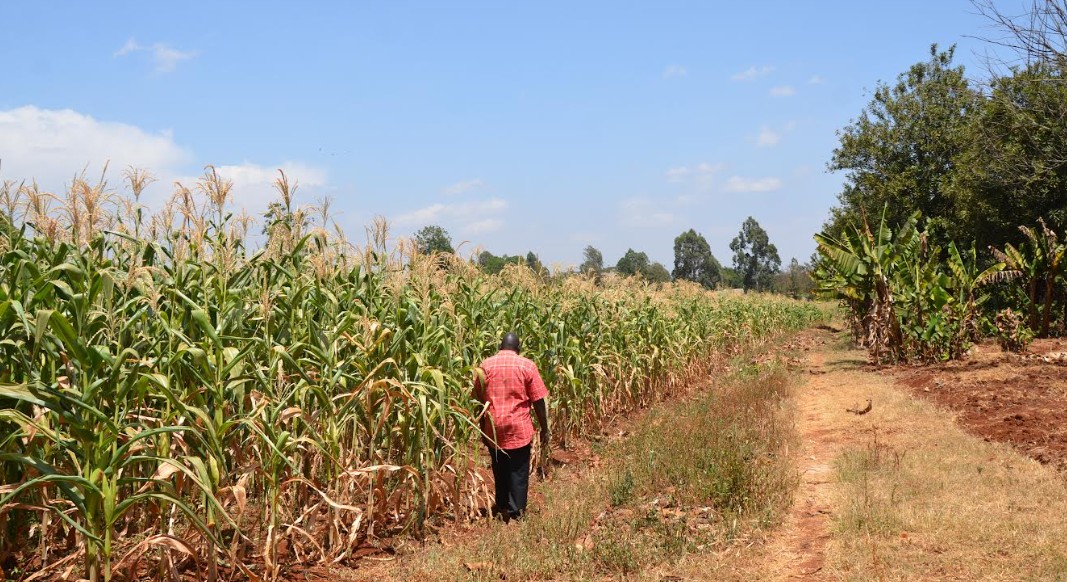
“We have been experiencing depressed rains in Kirinyaga, Murang’a and Nyeri, which has led to crop failure and therefore the need to carry out a food assessment study in order to ascertain whether there is a need for intervention. We are working closely with the County governments in assessing the situation on the ground in order to evaluate the current situation. We are also waiting for the December monthly bulletin to know the drought situation and way forward in terms of intervention,” he told KNA on phone.
Towards the end of November, the Kenya Meteorological Department (KMD) had advised Kenyans to brace for drier days following poor rains during the October-November-December season.
The department also urged farmers to adopt moisture-conserving measures on their lands to avoid losing their produce during the expected dry spell.
This is after the weatherman released its climate outlook for the short rains that indicated November (traditionally the peak of the OND rains) was unusually dry in most parts of the country.
In addition, the forecast for December indicated that most parts of the country were likely to experience near-average to below-average rains.
“The anticipated near-to-below rainfall in the ASALs is likely to reduce soil moisture, affecting crop growth and pasture availability. The near-to-below-normal rainfall, coupled with poor spatial distribution, may negatively affect crop production over most parts, especially over parts of the Central and Eastern sectors of the country, including the Coastal region,” read the forecast signed by KMD acting Director Edward Muriuki.
“Farmers are advised to implement water conservation practices such as mulching and monitor soil moisture closely. Livestock producers should prepare for potential water and fodder shortages by storing feed and ensuring water points are well-maintained,” says the forecast.
In terms of rainfall distribution for the month of December, Nyeri was among the counties expected to receive near-to-below or depressed rains.
Generally, rainfall distribution, both in time and space for the month, was expected to be poor in most parts of the country.
“Highlands East of the Rift Valley and Central Kenya (Nairobi, Nyeri, Kirinyaga, Murang’a, Kiambu, Meru, Embu, Turkana and Tharaka Nithi counties) will experience intermittent rainfall with some breaks during the month (December). The total rainfall amounts are likely to be near to below the long-term average for December,” read the outlook.
The counties of Siaya, Kisumu, Homa Bay, Nyamira, West Pokot, Bomet, Laikipia, Narok, Kericho, Bungoma and Busia are also expected to have rainfall near the long-term average amounts for the month of December.
Communities living in the ASAL regions were advised to come up with water preservation measures during the three months to avert a possible loss of their livestock due to drought.
Yesterday the Government said it was seeking Sh.13 billion to help feed more than 2 million people in dire need of food in at least 32 counties.
The announcement was made by Deputy President Kindiki Kithure when he met representatives from non-governmental relief agencies, developmental partners and those from the private sector in his Nairobi office.
Professor Kindiki said the Government’s priority was to address the plight of those who are adversely affected by lack of food, together with livestock that are in dire need of feed.
He said the Government plans to spend Sh.7 billion in the provision of food, water and medication for those affected by the drought in the coming three months and another Sh.6 billion for the distribution of food, water and an animal off-take programme in the first half of next year.
By Samuel Maina