Nyeri deaf community has welcomed a proposal by the Kenya Wildlife Service (KWS) to exempt Persons with Disability (PWD) paying park entry fees to visit the country’s national parks, reserves, marine parks and sanctuaries.
They have termed the exemption as a bold step that would foster inclusivity of PWDs and encourage their participation in the promotion of domestic tourism.
The proposal is contained in the Wildlife Conservation and Management (Access and Conservation Fees) Regulations, 2025.
Should it be approved, a PWD will only be required to present the National Disability Registration Card to access National Parks and Reserves, which is a break from tradition, where they were subjected to paying the same entry fee charged to any other citizens.
The Deaf Community, however, challenged KWS to further accommodate them by putting in place adequate measures to ensure that their communication and accessibility needs have been taken care of during their visit to the parks and reserves.
“We welcome the proposal to scrap the entry fee for this special group of people, but the main concern is whether KWS has rangers and guides who are trained in sign language interpretation or will the deaf be required to have their own interpreters.” posed Mary Muthoni, a member of the Nyeri County Deaf Association.
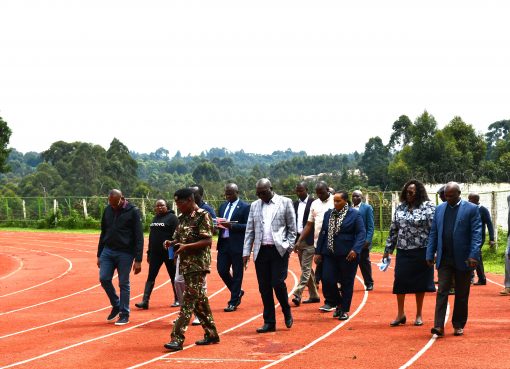
Members of the deaf community gave their views during a public participation exercise on the proposed adjustments to park entry and conservation fees at the Nyeri Cultural centre.
Besides the PWDs, the KWS has proposed the exemption of senior citizens aged 70 years and above from paying park entry fees.
There is also a proposal to increase the age limit of children entering parks for free from three years to five years of age.
The State Corporation has also proposed an increase in tourism activities and experiences in parks to 35 a move that would see recognition of activities such as water sports as part of tourism activity.
Should the proposed rates be approved, Kenyans will part with Sh1,500 as entry fees to enter Premium National Parks such as Lake Nakuru and Amboseli. International tourists will part with Sh11,600 while citizens from other African countries will part with Sh6,400 as entry fee.
The entry fees for urban and wilderness parks such as the Tsavo East and West national park as well as Nairobi National Park has been set at Sh1,000 for citizens, Sh10,000 for international tourists, while citizens from other African countries will part with Sh5,100 to enter the Urban and Wilderness Parks.
While endorsing the proposed upward review, Nyeri residents also challenged KWS to consider introducing rates for community groups that support the State Corporation in conserving the tourist attraction sites. They also urged KWS to introduce incentives such as annual park fees waivers, to encourage locals to embrace tourism.
“We are urging KWS to introduce reduced rates for communities that live and work around the conservancies and parks because they are the ones who are mostly engaged in conserving these sites. I think they should also be given a waiver, as encouragement for their conservation efforts,” said Robert Kariuki.
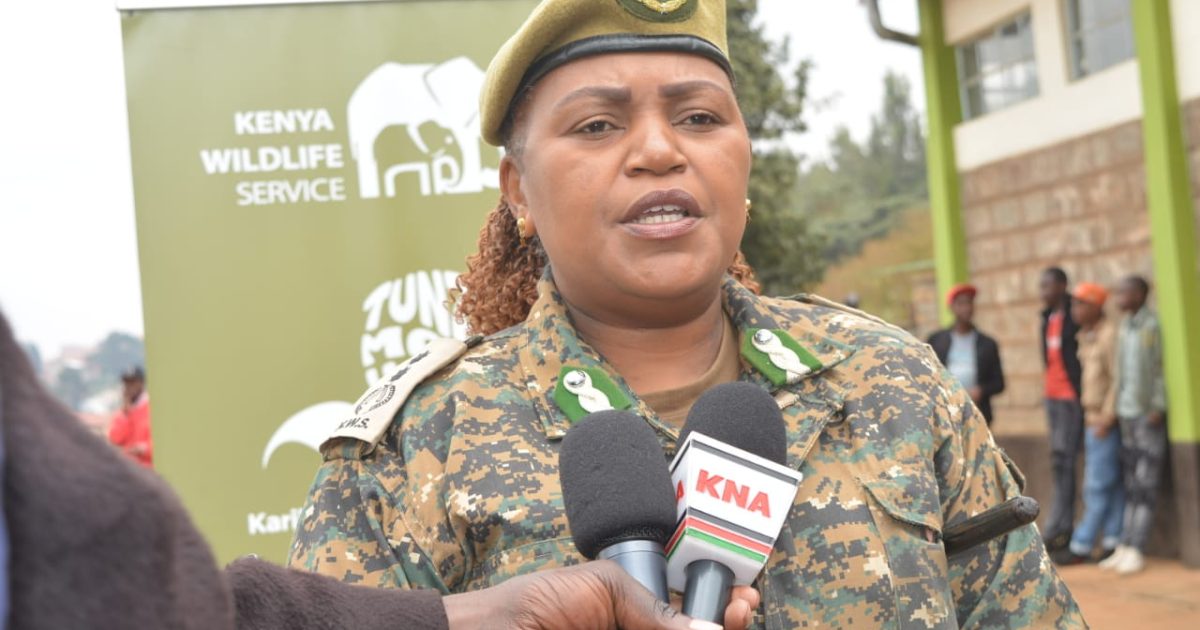
According to KWS’s Senior Assistant Director-In-Charge of Mountain Conservation Area, Lucy Muita, KWS is seeking to review park entry charges to address a Sh12 billion annual funding deficit.
She said that in the 2024/2025 Financial Year, the Corporation generated Sh7.92 billion against a requirement of Sh19.79 billion, limiting the Corporation’s ability to undertake its mandate.
Ms. Muita said that KWS is pegging on the anticipated enhanced revenue from the increased rate to address the financial constraints caused by inflationary pressures and rising operational demands and enhance KWS’s capacity to fulfill its conservation mandate.
“The last review was done in 2007 and considering the high cost of commodities in the country in terms of fuel, food and the cost of purchasing vehicles for our rangers, reviewing and enhancing the park and conservation fees, we will help us to respond to various challenges and we will also be able to improve infrastructure in our parks and improve the overall service delivery,” said Ms. Muita.
By Wangari Mwangi