The government has rolled out an online system to document all imports and export transactions on manufactured health products starting next year.
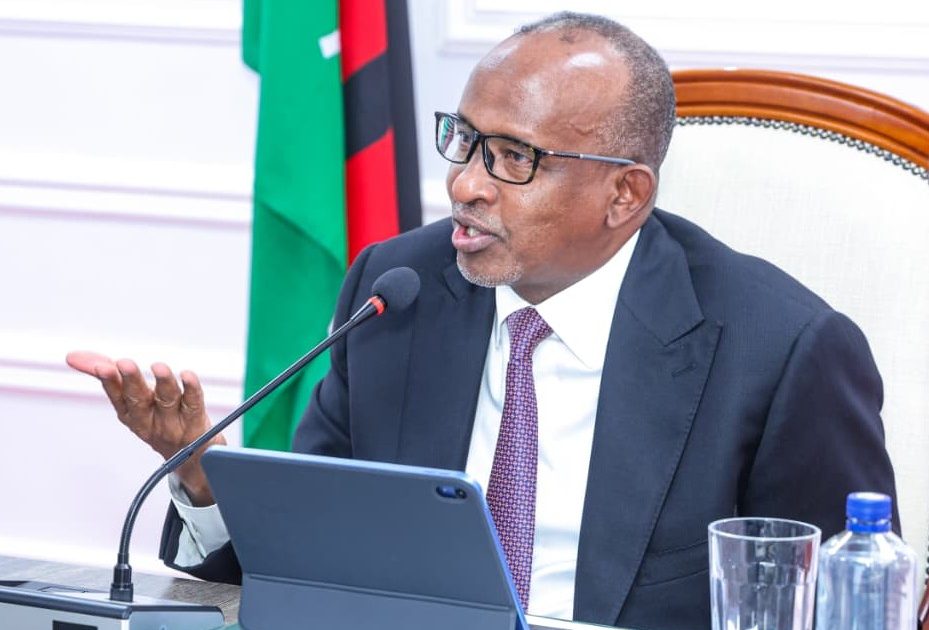
Health Cabinet Secretary Aden Duale said the ministry had finalized tracking and authentication of health products and technologies for the common good of the residents.
The CS said once the system is formalized, it will enhance traceability, accountability and visibility across the pharmaceutical chain, even as the ministry strengthens its regulatory mechanism amid plans to inspect all business enterprises in Nairobi.
“Practitioners found to be non-compliant will be referred to the board’s ethic and disciplinary committee for action,” he said, adding that the ministry is currently conducting 100 percent inspections of all licensed wholesalers within the Nairobi region in preparation for the 2026 licensing cycle.
At the same time, Duale confirmed that following the appointment of new Board members of the Ethics and Disciplinary Committee (EDC) in November, the entity is expected to be fully operational from January 2026, thus enabling the expeditious handling of pending cases and the referral of additional noncompliant practitioners for appropriate regulatory action.
“To date, over ten practitioners have been presented before the EDC for disciplinary proceedings,” he said as he warned that the informal sale or dispensing of prescription-only medicines without a valid prescription remains unlawful. Any pharmacy, wholesaler, distributor, or individual found offering or dispensing sildenafil without a prescription is liable to regulatory and legal sanctions, including seizure of products, suspension or revocation of licenses, and disciplinary or criminal proceedings,” he added.
Duale said the ministry is at advanced stages of completing scheduling of medicines, which will be made publicly available, with a view to enhancing regulatory clarity, support compliance by practitioners and strengthening enforcement actions.
The ministry, he added, had further authorized the recruitment of additional regulatory staff, a process that is currently underway and is expected to significantly strengthen inspection coverage and enforcement at the retail pharmacy level.
“We are engaging with key stakeholders and also implementing targeted public education and awareness initiatives aimed at informing the public on the risks associated with the use of prescription-only medicines without appropriate medical authorization as part of our broader public health protection mandate,” said the CS.
The ministry has also implemented training initiatives for healthcare professionals across multiple cadres and industry stakeholders, focusing on regulatory compliance, patient safety, rational use of medicines and adherence to medicine scheduling.
Meanwhile, over 5,500 persons have participated in the ministry’s facilitated Continuing Medical Education (CME), while over 4,000 healthcare providers have been trained through in-person programmes.
By Wangari Ndirangu