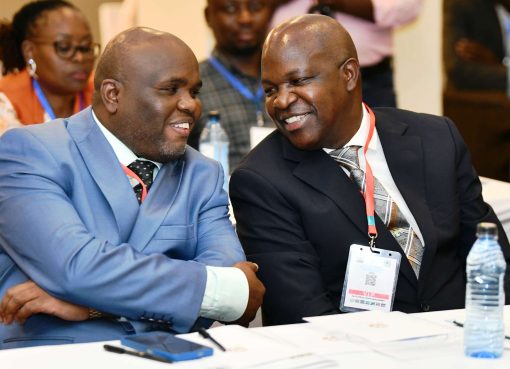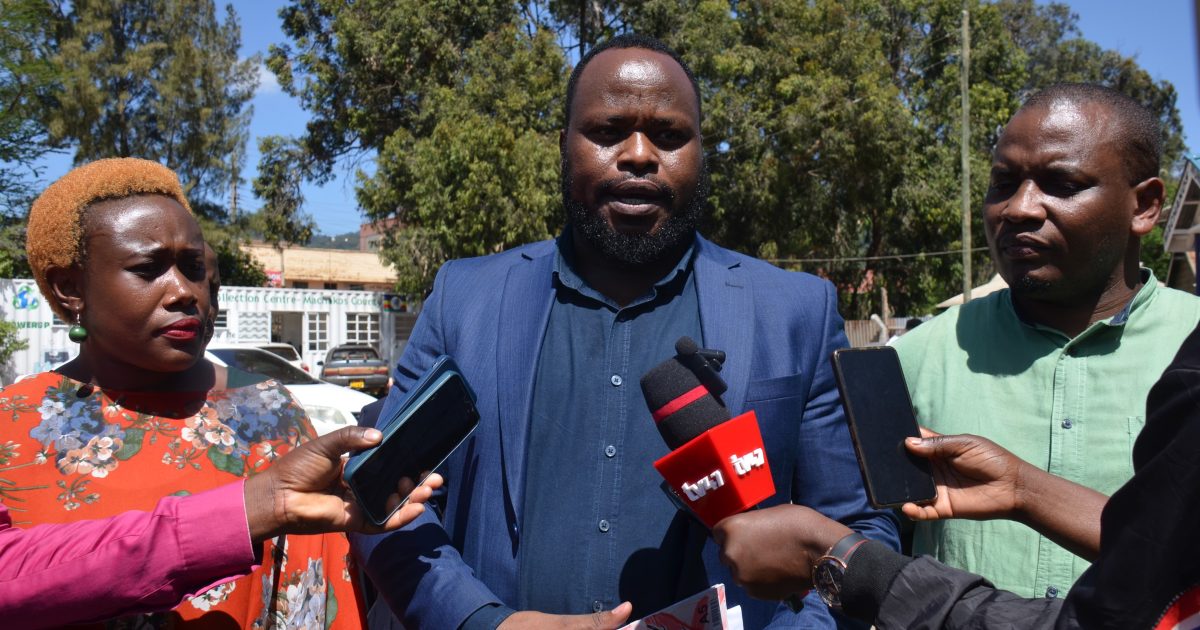
Kenya’s private security sector is set for a major overhaul after stakeholders, private security associations, officials, and industry leaders convened at Machakos Social Hall.
They backed a draft policy on private security regulations during a public participation forum.
The forum organised by the Private Security Regulatory Authority (PSRA) was to collect views from the public on the proposed framework that aims to reform how the private security actors are trained, equipped, licensed, and managed.
It also sought to address who the new regulations will affect, what changes the Draft Regulations introduce, why the sector requires regulation after years of inconsistency, when the reforms are expected to move forward, and how the new standards will be implemented to professionalise the industry.
The Protective and Safety Association of Kenya (PROSAK) Vice Chair Monica Kimeu said the new draft marks a historic moment, especially for women in the sector and applauded the inclusion of gender-sensitive provisions while encouraging all women security officers and the public to participate in the national validation process.
“For the first time, the regulations recognise the needs of female security officers; it shows how women have a voice in the private security regulations, including the introduction of lactation rooms and clearer licensing procedures,” she said.
Protective Security Industry Association (PSIA) Secretary General Mugambi Laichena also underscored the importance of public participation, noting that the draft must reflect the views of all security players and urged Kenyans to submit their recommendations, calling the draft.
This is the strongest opportunity yet to finally operationalise the 2016 Act and professionalise private security once and for all,” Said Mugambi.
He decried the rise of Private Security companies that are rising without any structure or professionalism, noting that the new draft policy on Private Security regulations will be a game changer in the Security sector especially the training of security guards.
Machakos County Commissioner, Josephine Ouko hailed the regulations, saying they fill the gap created by the low police-to-population ratio and the regulation will establish frameworks for cooperation between private security and National security in matters of crime detection and prevention.
“This is a major milestone that finally brings structure to an industry that has operated in a grey area for too long,” said Ouko.
Ouko noted the crucial national role of private guards and emphasised that the new rules will end years of unregulated operations that exposed unprofessionalism and criminal activities.
“For a long time, people took advantage of that vacuum and so these regulations will finally provide order, protect workers, and ensure uniform standards in training, equipment, and appearance,” she added.
Key highlight of the new framework is the Use of Animals in Private Security Regulations 2025, which introduces strict rules on training, registration, humane handling, veterinary care, and identification of animals used for security work, such as dogs, an area that had never been formally regulated before.
The new framework will ensure that every animal utilised in private security must be assigned a unique identification number to facilitate regulation, monitoring and accountability.
The draft policy, if adopted, intends to introduce a uniform national standard for training, licensing, uniforms, equipment, conduct, and professional ethics.
By Mary Wavinya and Ann Wangui