Marginalised communities in the Coast region have welcomed their involvement in the process of developing the national Marine Spatial Plan (MSP).
Representatives of the far-flung communities in the region said their inclusion in this important national project was a clear indication of recognition and importance of their contribution to the plan intended to coordinate various marine uses like fishing, shipping, tourism and energy through a public data driven process.
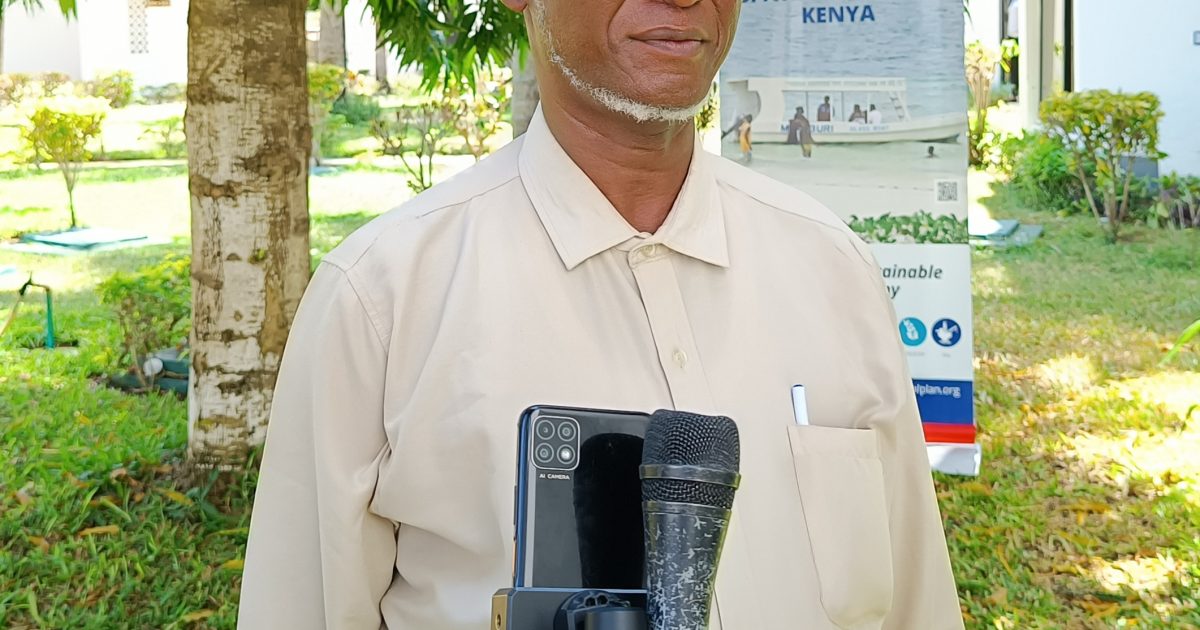
“We thank the national government and other agencies for bringing us on board as key stakeholders,” said Ramadhan Divai, the leader of the Wailwana community in Tana River County.
Divai, known as the “King” Wailwana clan, said marginalized communities have often been excluded from social, economic and other important decisions due to historical injustices and geographical isolation.
Speaking during a public engagement forum for marginalised and vulnerable groups to develop Kenya’s marine spatial plan at North Coast Beach Hotel in Kilifi County, the Wailwana leader said the new constitution has made it mandatory for all Kenyans to be involved in programmes and projects affecting them.
“Involving marginalised communities in developing the marine plan, fosters a sense of inclusivity and ownership of the entire process,” added Divai.
The Ethnic Minorities and Marginalised Communities Bill, 2025, and associated policies are being developed to create a structured legal framework for implementing constitutional provisions and guiding the protection of these groups’ rights.
Similar sentiments were expressed by representatives of other communities Khalifa Paragwe (washirazi), Amina Komora (Wasanyi and Futuma Kitole from the Wataa clan.
The National Coordinator of the MSP Secretariat Dr Jacqueline Uku said the process was participatory to ensure views and concerns of all stakeholders are factored in the marine plan.
Dr Uku noted that the views of the marginalised groups was essential to create a more equitable and effective plan that balanced economic benefits and environmental needs.
“Involving the marginalised communities as part of the process will benefit the plan with indigenous knowledge and first-hand experience due to their closeness to the ocean,” she added.
The Government through the State Department for the Blue Economy and Fisheries has this week organised a series of National Stakeholders Engagement Forums to develop Kenya’s Marine Spatial Plan (MSP).
The participatory process aims to ensure the sustainable, equitable, and inclusive utilisation of Kenya’s marine and coastal resources for the benefit of people and the environment.
by Mohamed Hassan