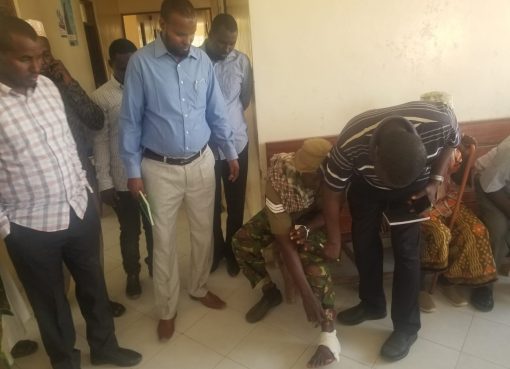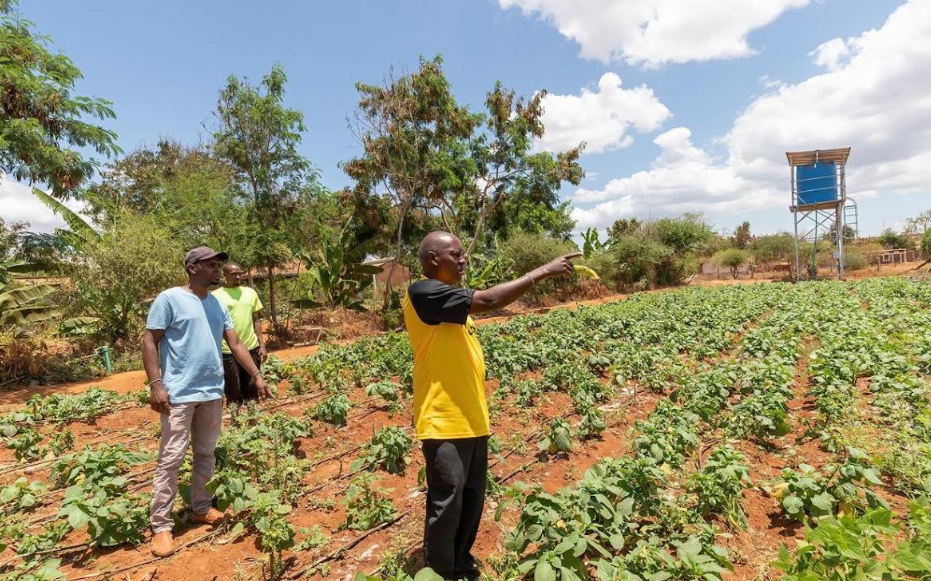
Residents living near the Shimba Hills National Reserve in Matuga Constituency, Kwale County, have raised concern over increased destruction of crops and invasion of homesteads by baboons and monkeys, a situation they say is threatening their livelihoods and safety.
Led by Kinarini Village Chairperson Nasiri Maulidi, the residents said the wild animals have repeatedly raided their farms, destroying food crops, especially cassava, before they mature.
Maulidi said most farmers in the area no longer enjoy the fruits of their labour, as monkeys uproot young crops while baboons invade farms in groups, leaving behind widespread destruction.
“We plant cassava, but we never harvest anything because the baboons destroy everything before it matures,” said Maulidi.
He added that the animals have extended their raids to homesteads, where they snatch food and instill fear among residents, particularly children and the elderly.
“They enter our houses and take food. Our children and elderly people are now living in fear,” he said.
One resident from Godoni village said families are increasingly being forced to remain indoors during the day to guard their homes and farms, affecting productivity and school attendance.
Responding to the concerns, Kenya Wildlife Service (KWS) officer Miraj Ruga acknowledged that cases of human-wildlife conflict had been reported in the area, noting that the agency is working with local administrators to address the situation.
Ruga said residents are required to formally report incidents to KWS offices to enable officers to assess the situation and take appropriate action.
“We are aware of the challenge in the Shimba Hills ecosystem, and we urge residents to submit official reports to our offices so that we can intervene,” said Ruga.
The villages affected include Kinarini, Godoni, Gopha, Chitsanze and Weruni, all situated along the boundary of the Shimba Hills National Reserve.
Residents called for urgent and long-term interventions to mitigate human-wildlife conflict in the area, including strengthening of park boundaries and community sensitisation to protect livelihoods while conserving wildlife.
By Chari Suche