The process to develop Kenya’s National Marine Spatial Plan (MSP) took a huge progress after the national secretariat completed a collection of views from key stakeholders in the coastal region.
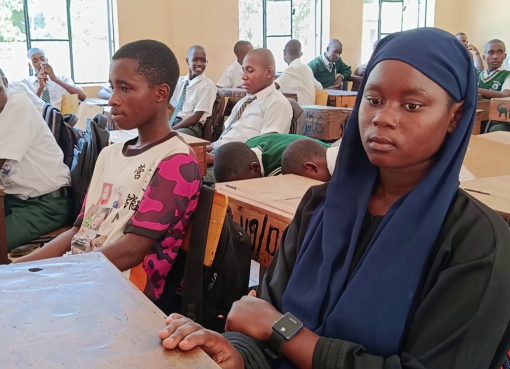
The secretariat visited five coastal counties of Kilifi, Lamu, Kwale, Tana River and Mombasa to gather information and perspectives from community representatives to inform the development of the plan.
The MSP forums served as a reflection on the sustainable development of the country’s vast marine resources and the immense potential inherent in the maritime space.
Most of the participants welcomed the government initiative to develop a marine spatial plan to transform the multi-billion-shilling blue economy sector.
Integrating land and sea planning seeks to promote the blue economy sector and ensure sustainable development of the maritime industry.
According to the National Coordinator for the Marine Spatial Plan, Dr Jackline Uku “the MSP outlines the vision and strategies to utilise the oceanic resources of fisheries, oil and gas and other seabed minerals and renewable energy potential like wind, waves and tides.”
Dr Uku said coastal states like Kenya, which has a unique maritime position, have sovereignty over these waters, allowing them to exercise rights for exploiting, conserving, and managing these natural assets.
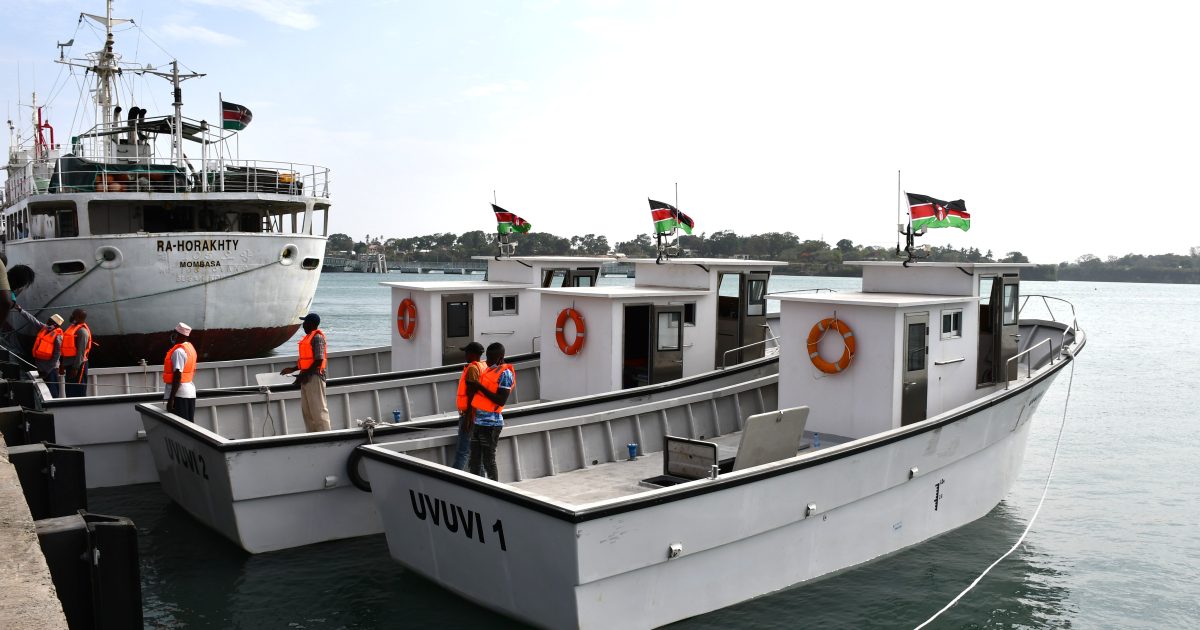
The MSP approved by the cabinet in March 2024 is being spearheaded by the State Department for the Blue Economy and Fisheries in collaboration with other stakeholders including the State Department for Shipping and Maritime Affairs, and the State Department for Physical and Land Use Planning.
The plan is a national strategy to manage and utilise marine and coastal resources by balancing ecological, social, and economic objectives.
Stakeholders opine that Kenya’s blue economy sector has the potential to contribute between Sh150 billion and Sh300 billion to GDP with proper investment and commitment to sustainable maritime industry.
Lamu Governor Issa Timamy has praised the initiative particularly its focus on integrating land use and sea planning noting that Lamu already has a county MSP in place to fully utilise the vast potential of the oceanic resources.
He said the county spatial planning framework marked a significant milestone in advancing the Lamu archipelago’s blue economy dominated by maritime trade, tourism and fisheries.
“Our county MSP seeks to improve the quality of our coral reefs and mangrove ecosystems through setting up coastal and marine protection areas,” he said.
“The MSP will help the coastal counties economically as well as environmentally,” said Timamy, adding that various blue economic activities like fishing, tourism and conservation will be demarcated without affecting the marine ecology.
The 20-year strategic initiative is supported by the government and the World Bank through the Sh10 billion Kenya Marine Fisheries and Socio-Economic Development (KEMFSED) Project.
Globally, the Marine Spatial Plans seeks to conserve and sustainably use the oceans, seas and marine resources for sustainable development.
Maritime stakeholders contend that the MSP will unlock abundant opportunities found in the ocean, the most critical ecosystem on earth.
Governor Timamy cited the example of Indonesia, which has a well-developed and comprehensive MSP and is actively working to integrate land and sea planning, support sustainable development and manage its coastal areas and many small islands.
“Indonesia with over 17,000 islands benefited through improved management of its marine resources, reduced spatial conflicts and enhanced economic potential,” he said, adding that the MSP will unlock transformative opportunities across the blue economy spectrum.
Timamy said Lamu could benefit from its strategic ocean resources through diverse economic activities like fisheries, tourism, shipping and clean energy.
The Governor said crab farming by local coastal communities could boost livelihood resilience and change the fortunes of island dwellers by providing a lucrative source of income.
The blue economy sector encompasses fisheries, maritime biotechnology, aquaculture, tourism, and marine transport and logistics. The MSP is based on an integrated approach to balance economic, ecological, and social objectives.
The push for the national marine spatial plan has also sparked optimism for climate solutions, protecting ocean ecosystems and supporting coastal communities.
Juma Mwabori, Mwaembe Beach Management Unit chairman in Msambweni sub county of Kwale said the marine plan will create real benefits from fishermen, improve community welfare and safeguard the coastal ecosystem for posterity.
Mwabori said the marine spatial initiative would increase the potential of the country’s marine resources and drive the blue economy.
“We welcome the introduction of marine spatial planning as a crucial tool for developing the blue economy sector and sustainable ocean governance,” he said.
Dr Uku said the plan would establish a policy framework for sustainable fisheries and use a scientific approach to balance economic growth with environmental protection.
Dr Uku, a Principal Research Scientist with Kenya Marine and Fisheries Research Institute (KMFRI) stated that the MSP offers a science-based framework for optimising ocean resources, protecting biodiversity and enhancing coastal livelihoods.
She said the MSP is a process to sustainably manage the use of marine spaces by coordinated activities like fisheries, tourism, shipping, renewable energy and maritime transport.
The senior research scientist says environmental pressures from overfishing, pollution, and climate change, loss of biodiversity and uncontrolled urban development of coastal areas are significantly diminishing the value of the ocean.
The coastal counties of Mombasa, Lamu, Kwale and Kilifi have pristine, ecologically sensitive areas with a lot of potential for tourism, fisheries and maritime transport.
The country’s maritime domain is seven nautical miles from the shore, and within the Exclusive Economic Zone (EEZ) of 200 nautical miles from the shore.
Kenya’s EEZ is a 200 nautical mile (370 km) area extending outwards from its coastline, granting the country sovereign rights over its resources such as fisheries, oil and gas and other seabed minerals within that zone.
Dr Uku says the MSP will in the long run minimise conflicts between economic sectors through the identification of ocean spaces that are appropriate for different uses and activities.
She said a comprehensive maritime national policy is being developed to prove a sustainable pathway for economic growth in fisheries, aquaculture, renewable energy and tourism while ensuring environmental sustainability.
By Mohamed Hassan