The Government is committed to supporting the Micro, Small and Medium Enterprises (MSME) as the backbone of Kenya’s Bottom-Up Economic Agenda.
According to the Micro and Small Enterprises Authority (MSEA), Senior Assistant Director- In-Charge of manufacturing and agribusiness, Ms Tabitha Gicheru, the MSME sector is an engine of Kenya’s economic growth.
“So immense is the sector’s potential that it creates the largest number of jobs and generates earnings for our young people and women,” stated Ms Gicheru.
She noted that the State was developing the (MSME) Policy 2025 and the MSE (Amendment) Bill 2025, in a bid to create a more inclusive and responsive framework for stakeholders.
The Policy and the Amendment Bill are being developed in collaboration with SNV Kenya.
“We aim to raise awareness about the Draft MSME Policy 2025 and Amendment Bill 2025, as many government policies and bills remain unknown to the public,” Gicheru said during a business policy awareness forum in Nakuru County.
The Policy, Ms Gicheru said, seeks to strengthen the institutional and regulatory frameworks, streamline regulatory processes, and enhance access to finance, markets and technology.
The Forum, which sought to empower youth and women entrepreneurs, drew over 100 Micro, Small, and Medium Enterprises (MSMEs) to explore available government support and opportunities.
Ms Gicheru noted that the Forum was part of the Investing in Young Businesses in Africa (IYBA-SEED) initiative, which focuses on strengthening entrepreneurial ecosystems, particularly for women and youth.
The project is being implemented in Kisumu, Uasin Gishu and Nakuru counties, targeting MSME policy development and regulations in the Agri-food, Energy and Water sectors.
Ndirangu, IYBA-SEED Project Manager at SNV Kenya, emphasised the programme’s role in building policy awareness for MSMEs and driving transformational change.
“IYBA-SEED goes beyond projects—it’s about long-term system transformation to create sustainable jobs, build enterprise resilience, and spur economic growth,” Ndirangu noted.
SNV is a Non-Governmental Organisation (NGO) based in South Holland.
Ms Ndirangu said the three counties were selected because they have a vibrant ecosystem for entrepreneurship and have many young entrepreneurs who are eager to learn.
“Many of the youth in those counties are not aware of the policies governing the MSMEs in the country and we are sensitising them and seeking their views as we plan to review these policies to serve them better,” she said, adding that the meeting was also meant for networking and learning.
Ms Ndirangu stressed the need for inclusive policies with provisions for vulnerable groups, including people with disabilities, women and youth, highlighting Kisumu’s efforts in gender-sensitive market design, such as adequate lighting to prevent harassment during night trading and promote equality and social inclusion.
She urged MSMEs to form associations for collective bargaining, better market access and cost reduction.
“Coming together is the beginning, while keeping together is progress,” she added.
She reaffirmed MSEA’s support via Juakali Worksites and Constituency Industrial Development Centers (CIDCs) for infrastructure.
MSEA in partnership with SNV and the IYBA SEED project, is conducting a two-year pilot programme in Uasin Gishu, Nakuru and Kisumu counties to ensure the MSE beneficiaries are aware of what benefits the stakeholders bring into the ecosystem like market linkages, access to finance, capacity building and others, so that they can explore and enhance their growth.
The partnership is geared towards empowering young businesses, particularly those owned by women and youth and people with disabilities across the MSME sector. The collaboration is set to drive sustainable economic growth through targeted, impactful initiatives.
Ms Ndirangu said they are working together with the Authority, specifically to help them create awareness for policies that are affecting the SEED beneficiaries, which ideally means businesses that are owned by women, men and youth.
She revealed that there are so many small businesses in the County which have not been able to thrive due to challenges occasioned by legal and financial factors.
“We have realised there are so many of them in this County and one of the challenges that they are facing is an unfriendly business environment. We are closely working with the County government to actually help them draft policies that will enable them to compete favourably with even other counties,” she explained.
“Some of the challenges that MSMEs face and specifically the young businesses, are things to do with regulatory policies, access to finance, access to markets and even the standards for their products,” added Ndirangu.
The Forum discussions deliberated on the MSME Policy and Amendment Bill 2025 to create awareness on policies that promote an entrepreneurial culture and an enabling business environment.
It also focused on the role of other stakeholders working with MSEA like the Women Enterprise Fund, Youth Enterprise Fund, Kenya Industrial Estate, Kenya Revenue Authority, county government and Inkomoko in supporting MSEs in terms of access to finance, tax and compliance, standards and quality, business formalisation and other MSEA-led government initiatives like the NYOTA and KJET projects.
The Micro and Small and Medium Enterprises Authority (MSEA) is running a two-year initiative aimed at strengthening the micro and small enterprises ecosystem in Kenya.
The project, being offered in collaboration with Investing in Young Business in Africa – Supporting Entrepreneurial Ecosystem Development (IYBS-SEED), focuses on improving policy implementation and raising awareness among young men and women entrepreneurs about existing business support needed to thrive.
The project aims to ensure that the policies supporting entrepreneurship are well implemented, monitored and responsive to the needs of young and women entrepreneurs.
The focus sectors are agriculture, blue economy, infrastructure development, digital economy, manufacturing and financial services.
The project targets out-of-school youth between the ages of 18 to 29, and up to 35 years for People Living with Disability (PWDs) and seeks to empower MSEMs with knowledge to access funding, training and networking opportunities.
According to the Senior Assistant Director for Manufacturing at the Micro and Small Enterprises Authority (MSEA), Ms Gicheru, through the Nyota Project, with support of the World Bank, the Authority is seeking to support the 110,000 vulnerable youth who have less than a Form Four formal education across three counties of Nakuru, Uasin Gishu and Kisumu with Sh50,000 grants to start their enterprises.
Ms Gicheru noted that the Authority is sensitising youth entrepreneurs on business opportunities and policy support and encouraged them (in the three counties) to apply for the funding through their phone the same way they apply for the Hustler Fund.
She said the project is also training the young entrepreneurs in entrepreneurship and sensitising them to the new MSME policies which are being proposed to grow the sector.
The sector has faced challenges since 2020 when the Covid-19 pandemic set in, including lack of funding, so we are also creating linkages to financial institutions,” she stated.
She noted that the MSME Policy Review, 2025 which is at the public participation stage, is meant to encourage entrepreneurial culture, noting that the MSME sector is very key to the economy, as it employs many people.
“Our business awareness programme is meant to create awareness of these policies and get to know the challenges facing the sector and inform them about the opportunities available for them and the role of government in this sector,” Ms Gicheru said.
She said they are creating a tool to evaluate these policies to see their impact on the MSME sector.
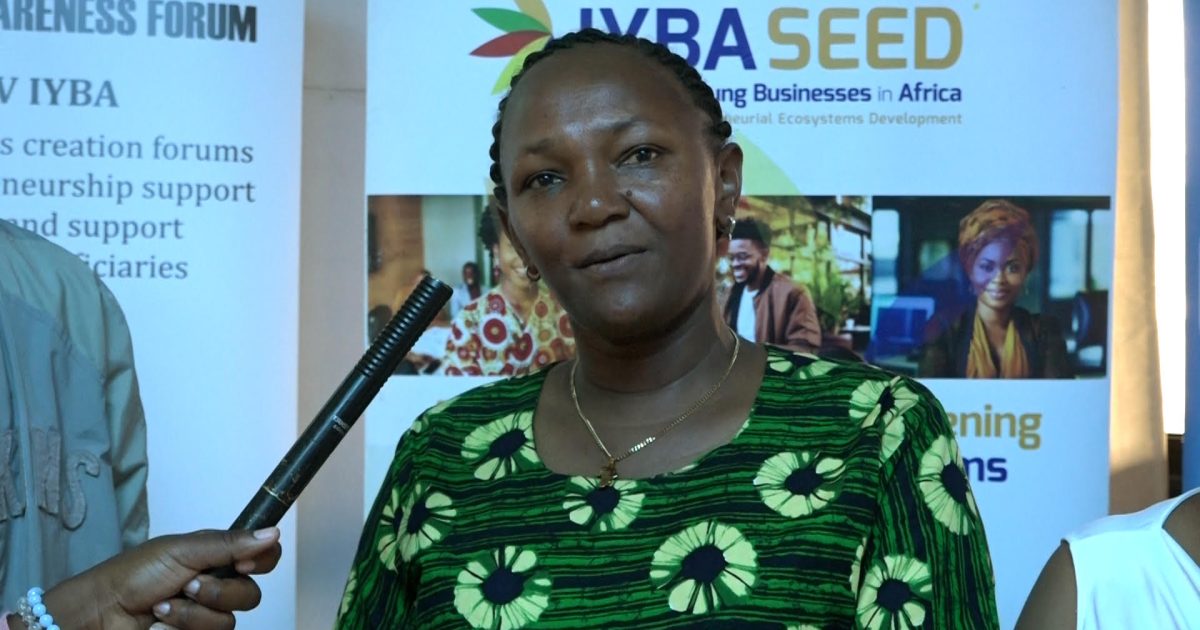
Businesswoman Margaret Njeri hailed the Micro and Small Enterprises Authority (MSEA) for sensitising entrepreneurs from Nakuru County on business policies so as to empower them with knowledge on existing regulations and support services.
Through these initiatives the MSEA aims to foster a more informed, compliant, and competitive MSME ecosystem in the country.
Ms Njeri pointed out that policy forums are key to educating Micro and Small Enterprises (MSEs) on key business policies, available government support, financial opportunities, market access, and the benefits of business formalisation.
“The government has so many policies concerning the MSMEs but the policies might not be coming down to the beneficiaries and today we are thankful that we have been able to unwind on that policy to ensure that the beneficiaries understand where the shoe is hurting and where they are benefiting and to bring awareness to the benefits that the MSME operators can get from the many players in the MSME ecosystem,” stated the businesswoman.
By Jane Ngugi and Dennis Rasto