The ongoing severe drought in most parts of Tana River County has affected the livelihoods of hundreds of residents, especially livestock keepers.
The region, where animals are a measure of wealth, has experienced acute crop and fodder failure following prolonged periods of dry spells for two consecutive seasons, leaving agriculture- and livestock-dependent households destitute.
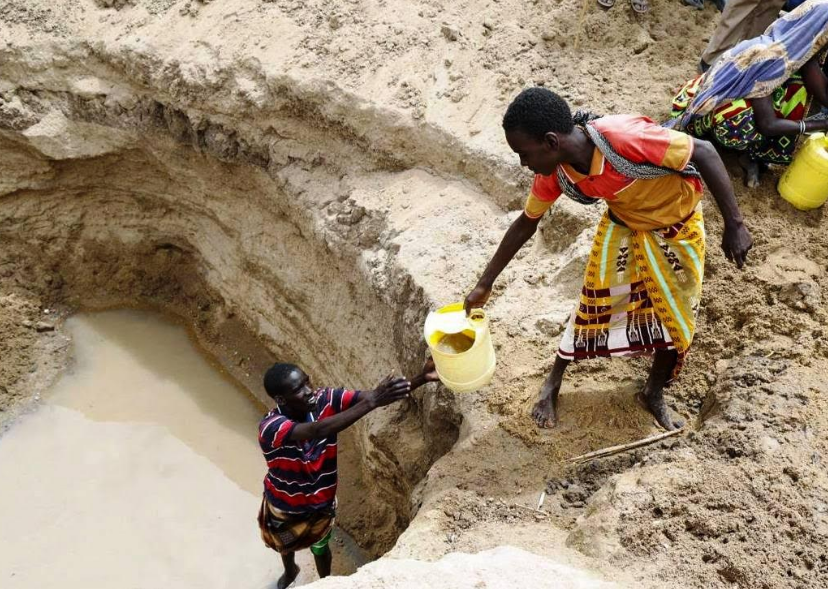
Water pans and dams particularly in Kone, Bura and Bangale sub-counties, have dried up, forcing residents and their livestock to walk long distances in search of the precious commodity.
However, the national government is scaling up assistance to millions of people on the verge of famine in 23 counties hardest hit by the current protracted drought ravaging the country.
According to experts, the devastating drought has been caused by a dramatic shift in weather patterns blamed on climate change.
A spot check by KNA in Tana River County revealed that residents were facing acute food scarcity and livestock and crop losses, as well as escalating economic hardship brought on by the prolonged drought.
The impact of the drought can be seen everywhere, as the once lush fields of crops have since withered, while livestock look weak and emaciated.
Public Service, Human Capital Development and Special Programmes Geoffrey Ruku said 23 counties across the country are facing similar rain failure challenges that have left over 2.3 million people food insecure.
Speaking in Tana River, Ruku said local residents are facing extreme water and food shortages that require immediate intervention to rescue the situation and avert possible humanitarian disaster.
The CS was in Garsen constituency to assess the extent and severity of drought in the area and later supervised the distribution of emergency relief supplies, assuring the residents of the government support during this time of adverse climate change-related hardships.
“The government is adequately prepared to provide short-term and long-term sustainable interventions to reinforce resilience among communities affected by the ongoing drought and other natural disasters,” he said.
The CS said the government is determined that no one dies of hunger and is providing emergency food aid to cushion the drought victims.
He said food assistance would be scaled up in the weeks and months ahead to reach a larger portion of the population affected by the biting drought.
Area Governor Maj (Rtd) Dhadho Godhana says the drought situation has left many residents facing acute food and water shortages and that his administration has embarked on water trucking and food distribution.
Godhana says as drought bites, confrontation between crop farmers and livestock keepers is on the rise as herders seeking dwindling reserves of pasture and water clash with farmers along the banks of River Tana.
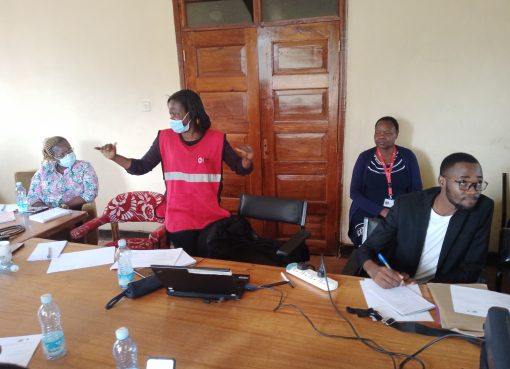
“As a devolved government, we have teamed up with the national government, the Kenya Red Cross Society and other humanitarian agencies to continue providing emergency support and mitigate the effects of the prolonged drought,” he said.
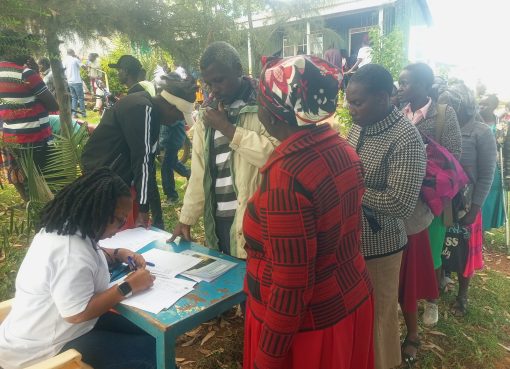
Already the local branch of the Red Cross is providing food assistance and fortified porridge to affected households and vulnerable groups such as pregnant women, children and the elderly.
Other ongoing efforts include providing water trucking and food assistance to thousands of households to enable families to survive the severe drought.
The governor urged residents to transition from the traditional open grazing to proactive fodder farming so as to boost animal productivity and mitigate the perennial farmer-herder conflicts.
He said the county is also responding with health and veterinary support services as part of the immediate response to the crisis.
Nzioka Wambua, Tana River County Director of Livestock Development, says the region is in the grip of severe drought following erratic rainfall and prolonged dry spells.
Wambua says climate change variability has led to extreme drought, water scarcity and pasture depletion leaving rain-fed farmers and herders in the drought-stricken parts of Tana River destitute.
Wambua decried that the drought crisis has caused an acute shortage of water and pasture, causing high livestock mortality, poor animal health and forced sale or loss of animals.
“The current drought situation has affected large swathes of the county, destroyed pastures, reduced water availability and caused significant herd losses as a result of pasture shortages,” he said.
The Director said the county government is encouraging both crop and livestock farmers to adopt fodder farming such as Napier grass in a bid to overcome dry-season feed scarcity, boost animal production and enhance resilience against climate change.
Mzee Godana Godole, a veteran livestock farmer in Kone Sub County, says the crisis has caused livestock to suffer extreme emaciation, disease and deaths.
“We are seeing losses of cattle, sheep and goats as we are unable to find enough water and pasture,” he lamented.
Mzee Godole 70 says a cow which fetched Sh50,000 a few months ago in the market now goes for less than Sh15,000.
Halima Koro, chairlady of the Tana River fodder farmers association, says the devolved government, national government and development partners should support the over 200 farmers involved in fodder growing.
“We should be supported in the cultivation of improved pasture seeds and fodder shrubs to secure food supply, particularly during the dry seasons,” she said.
By Hussein Abdullahi