Over one million girls in Kenya skip school three to four days every month due to lack of access to safe and sustainable supply of sanitary pads.
Research conducted by the Ministry of Health, shows that 54 per cent of girls in Kenya experience challenges in accessing menstrual Management Products; with 65per percent still lacking sustainable access to safe menstrual products.
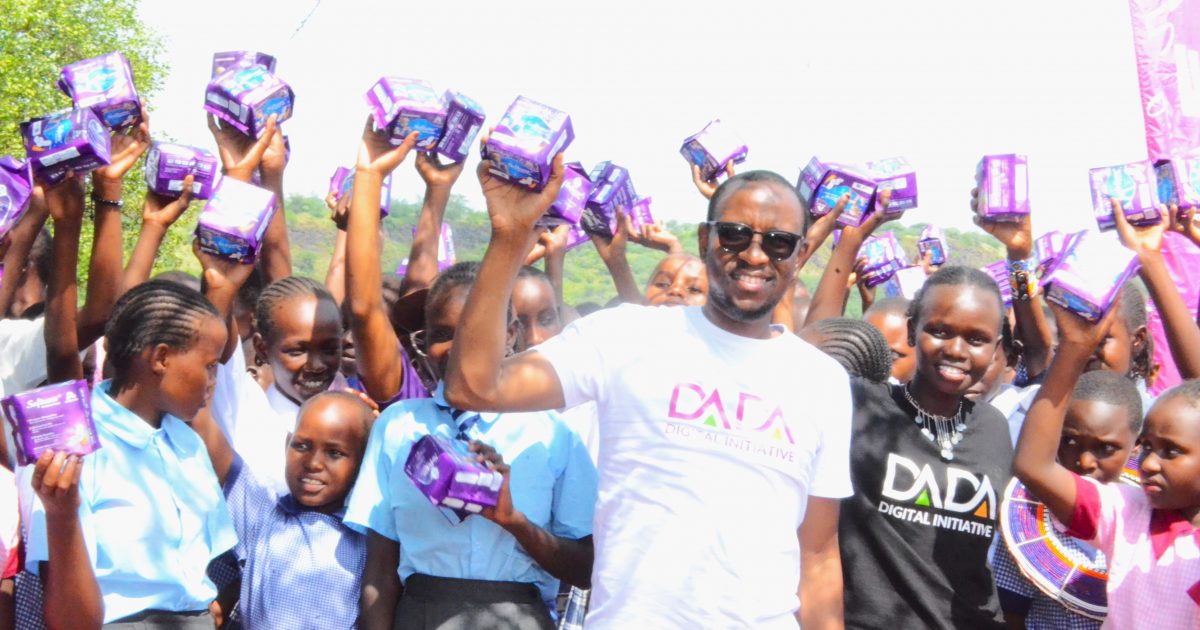
It is for this reason that the deputy headteacher Iseuri comprehensive school, Peter Wanjala Namasaka, took it upon himself to make an impact by organizing a Menstrual Hygiene Outreach Programme targeting over 5000 girls in Kajiado Central during this year’s World Menstrual Hygiene Day.
Namasaka noted that the initiative was aimed at restoring the dignity of the girls and empowering them to remain healthy, confident and focused on their education.
As a father and an active member of the community, Namasaka refuses to sit back and ignore the challenges facing menstrual health in his community and this forced him to take a bold step to curb period poverty.
“I cannot stand by and watch our daughters suffer. This year, I am organizing a Menstrual Hygiene Outreach Program Campaign aimed at donating sanitary and Menstrual Health education towels to at least 5000 school going girls in Kajiado Central Sub County,” Namasaka said.
He said for many of the girls, a monthly period was not just a natural biological process but a source of anxiety, stigma, absenteeism from school leading to lost dreams due to lack of access to sanitary towels.
In an effort to normalize menstruation and open conversations on it, Namasaka states that menstrual hygiene was a basic human right and not a luxury.
“Period poverty culminates to both health and psychological problems causing the stagnation of women and girls. When girls are denied access to sanitary products, they are denied equal opportunities in education, growth and self-actualization, “Namasaka said.
Namasaka acknowledged the effectiveness of joint efforts in tackling period poverty and menstrual hygiene education.
While urging everyone to make Menstrual Hygiene Day more than just a day on the calendar, he called for financial support for logistics and publicity including donations such as sanitary towels.
He invited partners, donors and well-wishers to join the cause by restoring dignity, supporting dreams and empowering futures, one sanitary towel at a time.
“Every pad donated is not just a product, it is a gift of dignity, a ticket to uninterrupted learning and a tool for empowerment, “Namasaka said.
World Menstrual Hygiene Day, celebrated on the 28th of May, provides a platform to celebrate and empower women by bringing together individuals, organizations, social businesses and the media as a strong voice for women and girls.
Marking the day also unites stakeholders in a joined effort to contribute in solving the challenges facing women and girls during their menstrual cycle.
It examines the role of the media in perpetuating and challenging stereotypes about menstruation.
This year’s theme is to make menstruation a normal part of life by 2030, focusing on normalizing menstruation, ensuring that it doesn’t hold anyone back, allowing everyone to menstruate hygienically with pride and dignity.
According to the World Health Organization, (WHO) more than 300 million women worldwide are menstruating each day while an estimated 500 million lack access to menstrual products and adequate facilities for menstrual hygiene management.
Menstrual Hygiene education and sensitization is a gap that needs bridging especially in normalizing menstruation and lack of it thereof leads to health risks because girls and women resort to the use of alternative, improvised, less effective materials, causing immense discomfort.
By Lauryn Nailantei