Seed Trade Association of Kenya (STAK) has been recognized as the lead national seed trade association within the COMESA region.
Actively involved in efforts to harmonize seed regulations across COMESA, Kenya aims to streamline processes and facilitate cross-border trade.
STAK Executive Officer Joyce Karanja said the association has supported the COMESA Seed Harmonization Implementation Plan (COMSHIP), which aims to accelerate the implementation of harmonized seed trade regulations at both national and regional levels.
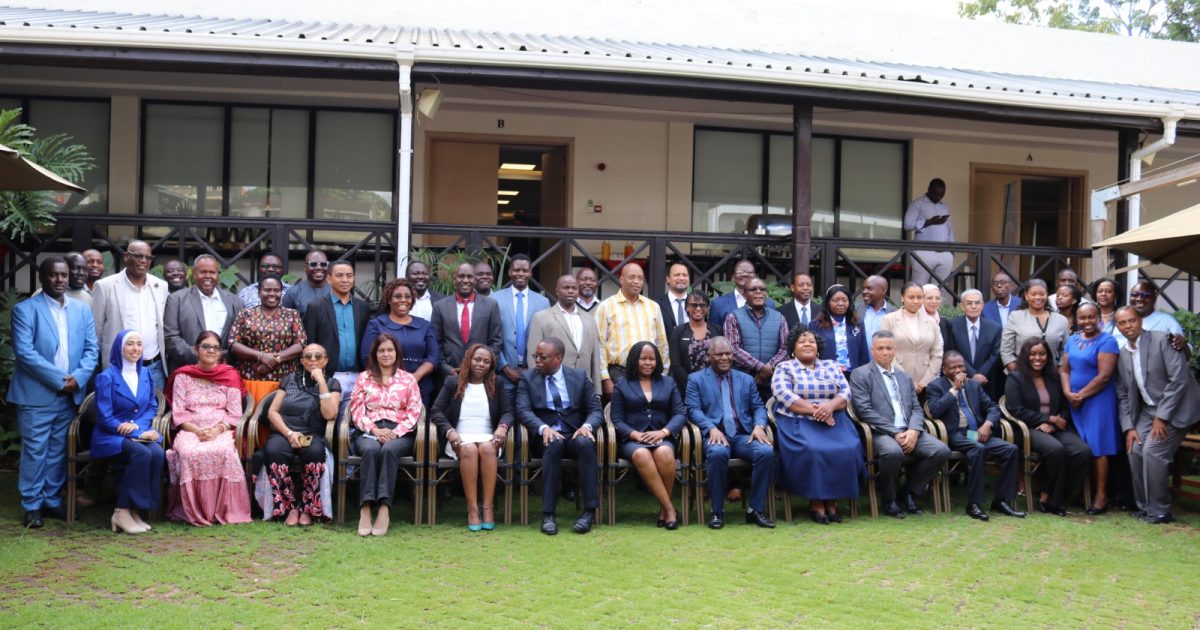
Speaking during a two-day review regional meeting being attended by COMESA countries in Nairobi, Karanja noted the country’s milestone as the lead in seed trade has seen other associations in the region learning from it
COMESA member countries previously benchmarked Kenya’s seed trade practices, particularly in areas like seed certification, quality control, and digital tracking systems, in order to improve regional seed trade, address issues like fake seed, and enhance food security.
“We have several companies registering their varieties in the COMESA catalogue, and we are moving quality seed from Kenya to farmers across the region,” she said.
The COMESA Variety Catalogue is a regional database that lists seed varieties that have been registered in at least two COMESA Member States and meet specific quality requirements.
This catalogue is part of the COMSHIP with the aim to facilitate seed trade and promote the use of improved varieties within the region.
Karanja noted that STAK is also working in partnership with its members, the seed companies, together with the regulators to curb fake seed.
We have been running campaigns, creating awareness with farmers about how to identify fake seed and also quality seeds through the sticker label, where one can scratch and send a message to a number for verification if the seed is certified.
State Department of Agriculture Principal Secretary Dr. Kiprono Ronoh said Kenya has embraced COMSHIP and has consequently made significant strides to domesticate the framework and effect the roadmap leading to its implementation.
In a speech read on his behalf by Dr. Alice Murage, Director for Socioeconomic and Policy Development Department, the PS said that some of the milestones the country has made are through KEPHIS. The country is actively participating in the COMESA Variety Catalogue to ensure regional access to improved varieties as well as enhancing electronic certification and traceability systems for quality assurance.
Dr Ronoh, however, noted that despite progress there are persistent challenges which include uneven levels of policy alignment across member states, insufficient public awareness on harmonized procedures leading to low adoption of the COMPSHIP framework by local seed companies, delays in mutual recognition of seed certification, and limited financing for harmonization efforts.
This progress review meeting is of such strategic importance. It allows us to reflect on these challenges while charting a path for accelerated implementation and impact.
He added that a well-functioning regional seed system is a foundation for food security, climate resilience, and economic transformation, and therefore, harmonization of seed systems is not only a technical exercise, but also about ensuring that a farmer in Eldoret, or in Lusaka, or in Bujumbura, can access high-yielding and certified seed.
Dr Ronoh assured of Kenya’s commitment to strengthening National Implementation, capacity development of KEPHIS, engagement of the private sector in seed production and distribution, scaling up digital platforms for seed certification and distribution, and also in hosting regional agriculture centers of excellence through leading in joint trials.
The COMESA region’s seed trade, currently at USD 1.9 billion, is aiming to grow to $5 billion within the next ten years. This growth is expected through the implementation of the COMESA Seed Harmonization Implementation Plan (COMSHIP).
By Wangari Ndirangu