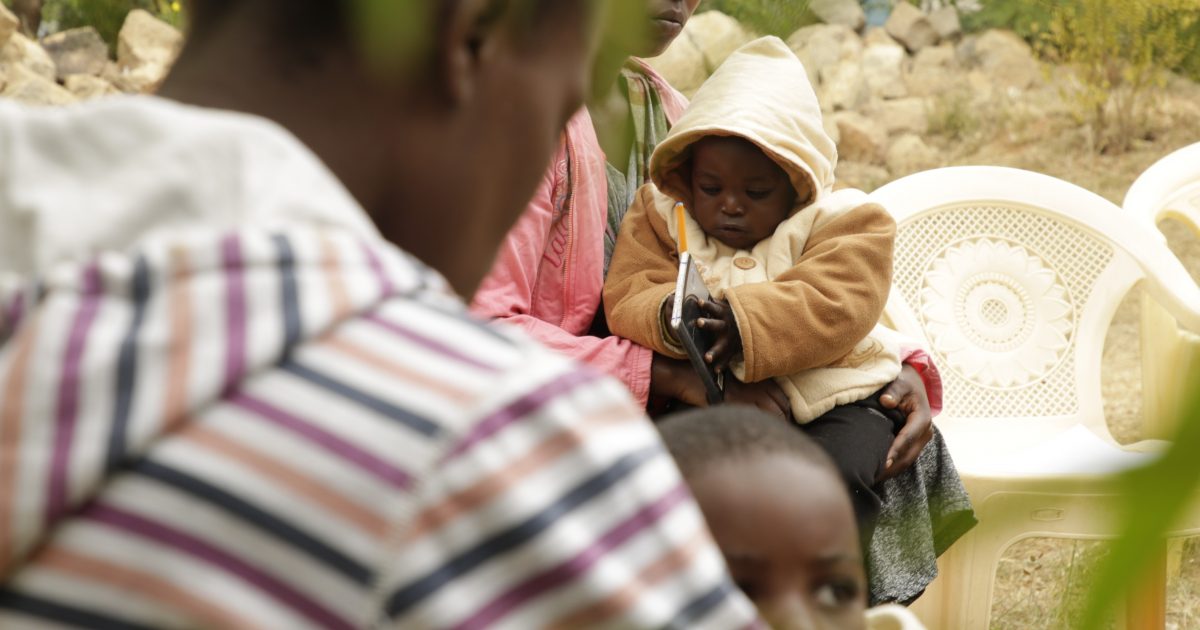
Aisha* and Amina*, both just 17, should be in school or building dreams. Instead, they’re navigating motherhood in Korogocho, one of Nairobi’s most densely populated informal settlements, where adolescent pregnancy often spells the end of formal education and the beginning of economic struggle.
“I want to go back to school, but I also want my child to have a better life,” says Aisha, cradling her baby. “Sometimes when my mother doesn’t have money, we just stay hungry.”
Amina, who gave birth at 16, echoes the frustration: “They say we can go back to school, but they don’t ask if we have childcare, food, or sanitary pads.”
Their stories are all too common. A 2022 study by the African Population and Health Research Center (APHRC), in collaboration with Miss Koch Kenya and Nairobi County’s Directorate of Children Services, paints a stark picture. Among 594 adolescent girls surveyed, 76.7% reported their pregnancies were unintended, and 91% had dropped out of school by the time of the study.
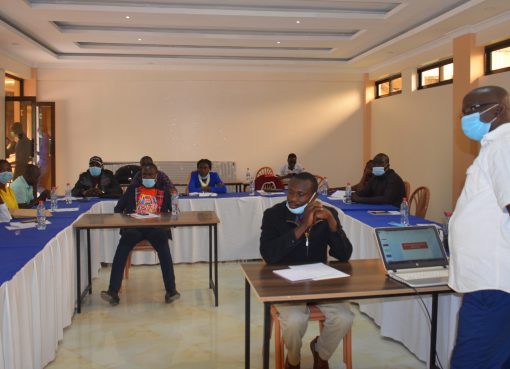
At a recent media workshop organized by the Media for Environment, Science, Health and Agriculture (MESHA) and the Solutions Journalism Network, Dr. Anthony Ajayi of APHRC emphasized that adolescent pregnancy is not merely a health issue—it’s deeply social and economic.
“While nearly all girls accessed antenatal care, only about a third completed the recommended eight visits,” said Dr. Ajayi.
“Stigma, fear of mistreatment, poverty, and lack of information are common barriers. Shockingly, one in four adolescent mothers reported verbal or physical abuse by health workers during delivery. Some were even detained due to unpaid hospital bills,” added Dr. Ajayi.
Economic hardship compounds these realities. Only 25% of young mothers have access to paid work—mostly informal jobs like laundry or hairdressing. Nearly three-quarters struggle to meet their children’s basic needs, often relying on relatives for childcare.
Mental health challenges are widespread. According to the APHRC study, 40% of the girls show signs of mild depression, while over 25% suffer moderate to severe symptoms, including self-harm. Half reported experiencing violence, with 25% facing intimate partner violence.
The root causes of early pregnancy range from school closures during calamities such as the COVID-19 pandemic, family conflicts, poverty, and sexual violence to low contraceptive awareness.
Sharon Musakali of the Health NGOs Network (HENNET) summed it up as a “triple threat”: adolescent HIV infections, unintended pregnancies, and gender-based violence.
Yet there are signs of progress. Kenya’s Adolescent Sexual and Reproductive Health (ASRH) Policy, launched in 2015, aims to reduce adolescent pregnancy rates from 14% to below 10% by 2025. The Ministry of Health has expanded youth-friendly services, offering confidential counseling and care.
In 2023, Kenya launched the world’s first Adolescent Sexual and Reproductive Health Development Impact Bond (ASRH DIB)—a U$10.1 million initiative targeting girls aged 15–19 in ten counties with high adolescent pregnancy and HIV rates. Leveraging the various digital health platforms, the program has reached over 227,000 girls with SRH services, onboarding 136 public and 147 private health facilities, as well as 45 pharmacies.
However, challenges remain. Many mobile clinics face staffing and maintenance issues. Inconsistent services leave gaps in care, especially in hard-to-reach areas. While counties like Nairobi and West Pokot have relaunched some clinics, nationwide coverage is still patchy.
To close these gaps, the government and partners are focusing on digital health, community-based interventions, and public-private partnerships.
The Ministry of Education has scaled up school re-entry programs and stigma reduction campaigns, training teachers and providing flexible learning options—including blended and vocational education.
Conditional cash transfers and vocational training are now being introduced to economically empower young mothers and reduce dependency. In Nairobi, county governments and civil society are collaborating to expand childcare services and establish safe spaces for adolescent mothers to resume education or work.
Still, advocates like HENNET stress the need for integrated, community-led approaches. This includes improving sexuality education both in and out of school, ensuring youth-friendly and respectful health services, and offering pathways for economic independence—so that adolescent mothers do not have to choose between their child’s well-being and their own future.
“By focusing on evidence-based, constructive storytelling, we empower communities to demand accountability,” said Caroline Karobia from the Solutions Journalism Network. “Highlighting positive outcomes in adolescent health can inspire scalable, lasting change,” she pointed out.
Despite systemic barriers, the determination of girls like Aisha and Amina serves as a rallying call. With comprehensive support—ranging from healthcare and education to economic empowerment and social protection—no adolescent should have to walk this journey alone.
Names have been changed to protect identities.
By Violet Otindo