Close to 50,000 children in Vihiga and Isiolo counties are set to benefit from a major health screening programme targeting Type One Diabetes and other childhood-onset non-communicable diseases (NCDs) in a USD 600,000 programme funded by UNICEF.
The two-and-a-half-year initiative will be implemented across 20 health facilities, with 13 facilities in Isiolo County and seven in Vihiga County, marking a significant milestone in strengthening NCD prevention, diagnosis, and care at the community level.
Speaking in an interview with the Kenya News Agency (KNA), in a meeting at Sosa Cottages on Thursday, County Non-Communicable Diseases Coordinator Mike Olonyo Endovo said the programme will address long-standing gaps in NCD data collection due to lack of screening tools.
“Previously, there was no clear national or county data on NCDs because we lacked screening tools. With UNICEF now on board, we can properly identify cases and generate reliable statistics,” said Endovo.
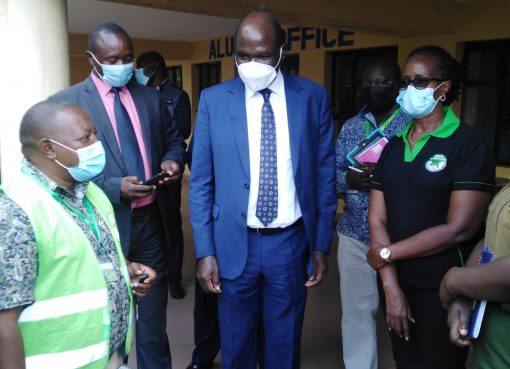
He noted that a multidisciplinary team comprising officers from the Ministry of Health, UNICEF, NCD Alliance Kenya, and Vihiga county health departments has been working on the ground since Monday, January 19th, to design strategies for reaching children and young adults living with NCDs.
The programme will involve extensive stakeholder mobilisation, bringing together county health promoters, the Ministries of Health and Education, religious institutions, and the Ministry of Interior to ensure that children and young adults below the age of 25 are identified, supported, and linked to care.
According to Endovo, over 700 children are currently on follow-up for NCDs in Vihiga County. He highlighted that Hamisi Sub-County Hospital hosts a fully functional Non-Communicable Disease Centre, where young patients receive treatment free of charge, alongside services at Vihiga County Referral Hospital.
He encouraged parents and guardians to enrol in the Social Health Authority (SHA) scheme to reduce the financial burden of long-term medication for children living with NCDs.
“Initially, we did not have screening tools, but this partnership with UNICEF will help us identify affected children early and manage the conditions effectively,” he added.
Vihiga Governor, Dr. Wilber Ottichilo, recently convened a partnership meeting with teams from the Ministry of Health, UNICEF Kenya, and NCD Alliance Kenya to strengthen referral networks and community-based care for childhood-onset NCDs, including Type One Diabetes.
The meeting reviewed existing referral systems, primary healthcare structures, community-based care, and school-based platforms to identify gaps and opportunities that will inform the development of county-specific implementation plans.
Governor Ottichilo commended the partners for their support, noting that the programme has already reduced the economic burden on families affected by NCDs. He reaffirmed his administration’s commitment to tackling NCDs through collaboration and increased community awareness.
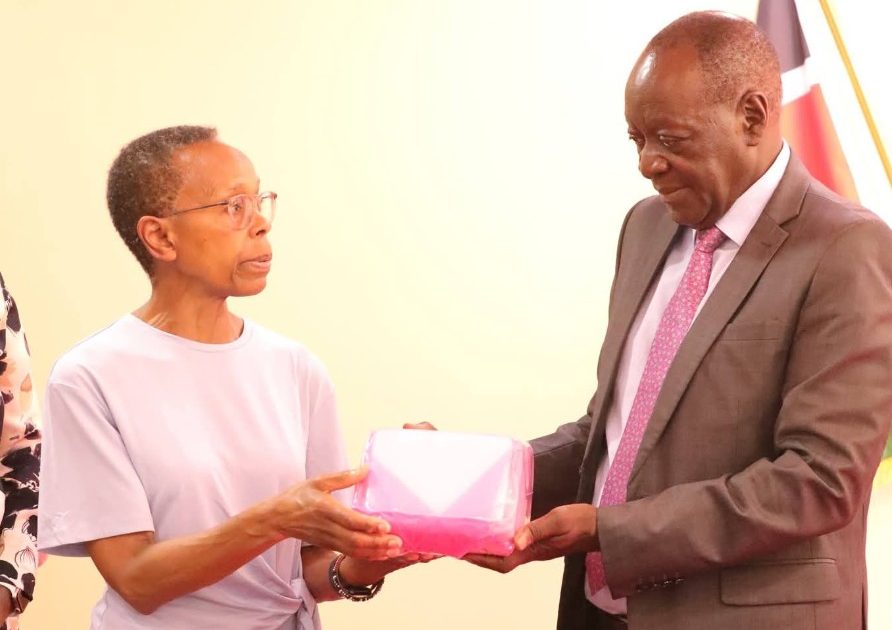
Further boosting healthcare capacity, NCD Alliance Kenya donated a Gazelle sickle cell confirmatory testing machine to Hamisi Sub-County Hospital’s PEN Plus Clinic. The equipment will enable rapid detection of sickle cell disease and significantly reduce referrals to higher-level facilities.
The initiative builds on a pilot programme launched in 2023 in Vihiga and Isiolo counties, which saw the establishment of two specialised NCD centres, one in each county—laying a strong foundation for improved care of children living with non-communicable diseases.
By Rose Wasike