Victims of human-wildlife conflict in Turkana County have a reason to smile after the government embarked on a critical phase in the compensation process.
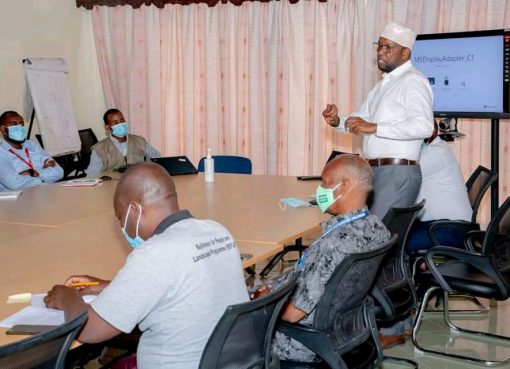
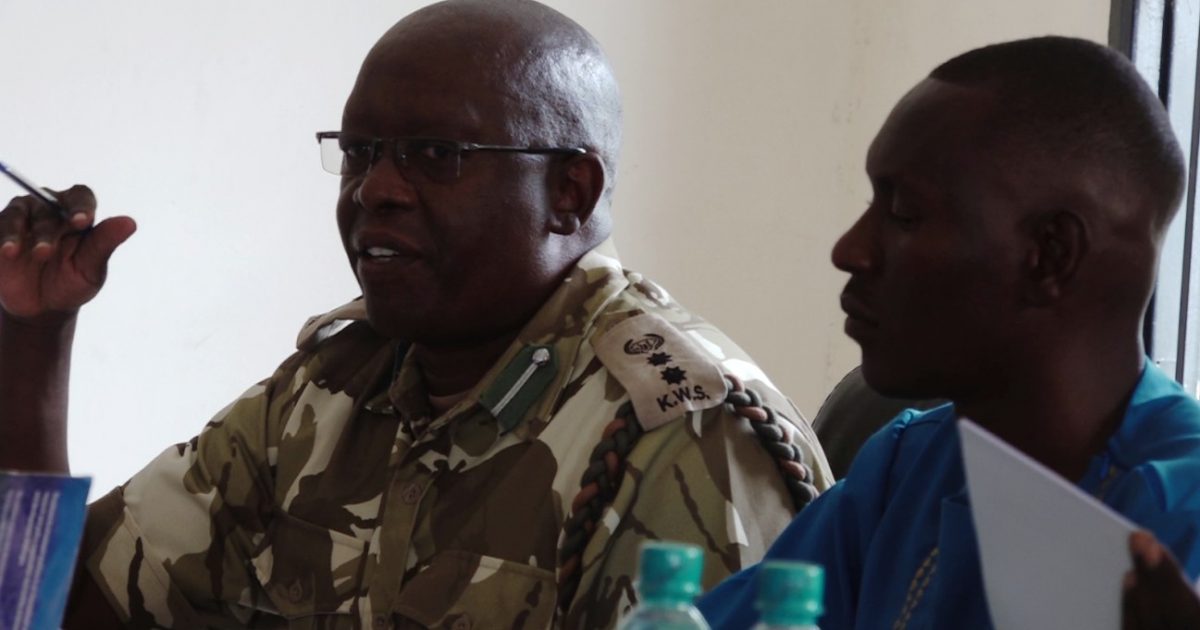
County Commissioner Julius Kavita and Kenya Wildlife Service County Warden Elijah Chege convened a high-level county wildlife compensation committee meeting with a view to unlocking the impasse in the compensation process.
The meeting deliberated on 103 pending claims cases, which included human death, human injury, attacks on livestock as well as destruction of crops by wildlife.
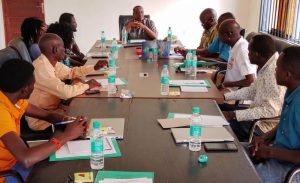
“Out of the 103 cases, 35 were pending claims from as far back as 2014 and 68 were new cases that had never been presented to the committee before,” said Kavita.
The Commissioner reiterated the government’s commitment to compensating victims of human-wildlife conflict but challenged them to provide accurate and truthful information regarding such incidents.
Some of the challenges in the compensation process included lack of documentary and pictorial evidence in cases of wildlife attacks.
For instance, for any compensation to be approved by the committee, victims or their next of kin are supposed to provide proof of having reported the incidents to the police and administrative authorities such as chiefs.
They are also required to have a duly filled and signed compensation claim form from the KWS.
Kavita, at the same time, appealed to members of the committee to educate the public on new changes in law to ensure they do not miss out on compensation.
For example, contrary to previous practice, victims of snake bites do not qualify for compensation.
County Warden Elijah Chege emphasized KWS role in upholding its shared responsibility in resolving the pressing issue of wildlife-related losses.
“These cases, each one representing a story of hardship and resilience faced by our communities in the wake of human-wildlife conflict. These cases are not just numbers; they are lives impacted, livelihoods disrupted and families waiting redress,” said Chege.
He reiterated KWS’s commitment to ensuring every claim is treated with fairness, transparency and urgency.
“We must balance the sanctity of wildlife conservation with the realities faced by our people on the ground,” he said.
Among the cases considered were 15 human deaths, 22 human injuries, 37 livestock attack cases and 29 cases of crop destruction by wildlife.
By Peter Gitonga