Vihiga County has announced an ambitious plan to vaccinate over 16,090 ten-year-old girls against the Human Papilloma Virus (HPV), the leading cause of cervical cancer, by the end of 2026.
The campaign is part of a nationwide effort to reduce the high burden of cervical cancer, which remains one of the leading causes of cancer-related deaths among women.
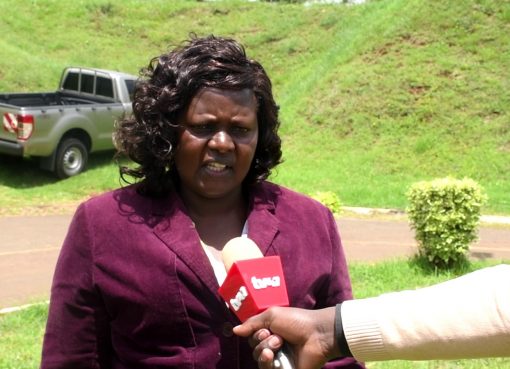
Speaking to the press during the launch of the single-dose HPV vaccine at the Mbale Municipal Grounds, Vihiga County Immunisation Coordinator Edith Anjere said the county is prioritising girls aged ten years to ensure early protection before potential exposure to the virus.
She urged parents and guardians to embrace the vaccination programme for their daughters, stressing that the jab is both safe and effective.
Anjere noted that the vaccine is available free of charge across all 102 health facilities in the county and cautioned parents against hesitating due to misinformation or fear.
“This vaccine will significantly reduce cervical cancer cases. We urge parents to take advantage of the opportunity,” she said.
She explained that girls are the primary focus of the campaign because they possess cervices and are therefore at higher risk of developing cervical cancer later in life.
She added that unlike some developed nations where both boys and girls are vaccinated for broader community protection, Kenya is currently unable to extend the programme to boys due to resource limitations.
Anjere highlighted that from 2026, the World Health Organization (WHO) recommends a single-dose regimen for healthy girls aged ten years.
However, those with underlying conditions such as HIV/AIDS, sickle cell disease, malnutrition, or existing cancers will require three doses—the first at age ten, the second two months later, and the third six months after the first.
Interfaith Organization Vihiga County chairperson Derrick Wawire called on religious leaders to champion the vaccination drive within their congregations.
He emphasised the importance of seeking medical interventions for disease prevention, noting that spiritual practices should complement, not replace, healthcare services.
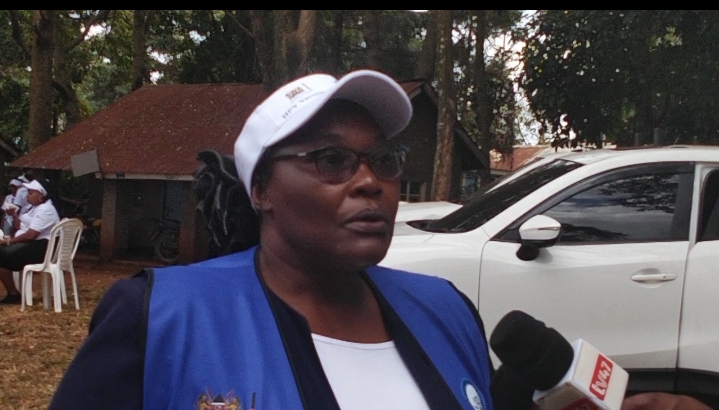
Representing civil society organisations (CSOs), Fresha Agiyo said they will intensify awareness campaigns targeting all residents, including vulnerable groups and persons living with disabilities, to ensure that no eligible girl misses the vaccine.
She emphasised the importance of male involvement, saying men and boys can play a key role in encouraging their sisters and daughters to get vaccinated.
By Maureen Imbayi