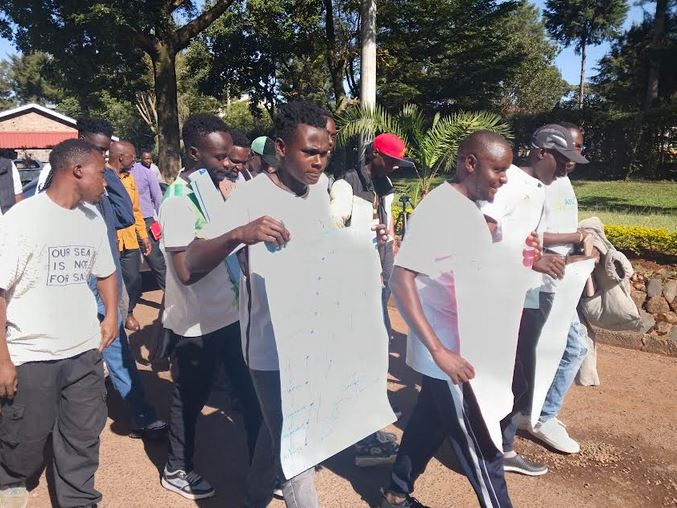
A men’s mental health awareness walk has been launched in Vihiga County to highlight the growing mental health challenges facing men and to encourage openness, support, and improved access to care.
The initiative was launched at the Vihiga County Referral Hospital by men’s mental health advocate Joshua Njenga from Kaimosi. Njenga announced that he will undertake a long-distance walk from Vihiga County Referral Hospital to Nakuru Level VI Hospital to draw national attention to men’s mental health issues.
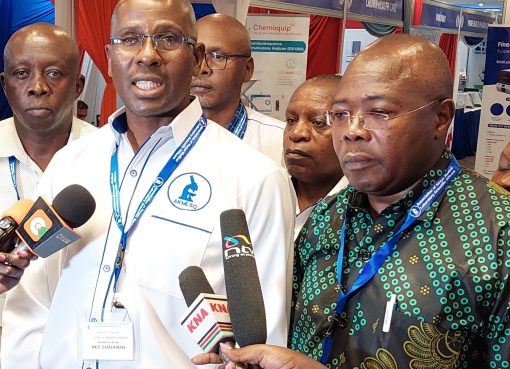
Speaking to the press during the launch, Njenga said the walk aims to break stigma, spark conversation, and advocate for better mental health facilities and services for men across the country.
“I have initiated this challenge to create awareness on men’s mental health and encourage men to speak out when they are going through challenges,” said Njenga.
He appealed to the government to consider establishing special funding to support mental health initiatives and called on well-wishers and members of the public to support the walk with necessities such as drinking water and moral support along the route.
Njenga revealed that his motivation to champion the cause was deeply personal, citing his brother’s struggle with mental illness and the difficulty the family faced in accessing appropriate treatment facilities.
“My brother experienced mental health challenges, and it was very hard to find a proper facility for treatment because most of the available options were clinics. This inspired me to push for better and more accessible mental health services,” he said.
He expressed hope that the awareness campaign would lead to the establishment of more specialized mental health units to handle severe cases requiring long-term care.
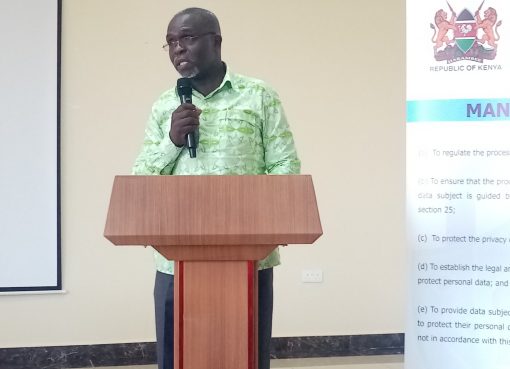
Speaking at the launch event, Vihiga Deputy County Commissioner Linet Orina said men’s mental health remains a major challenge not only in Kenya but globally.
She noted that many men struggle silently due to societal expectations that discourage them from expressing vulnerability.
“Men find it very difficult to share the issues and challenges they are facing. We encourage them to open up so that they can get the help they need. A problem shared is a problem half-solved,” said Orina.
Orina further urged families and communities to support people living with mental health conditions, stressing that mental illness should be treated like any other disease.
“Mental sickness is not a curse. Those affected need love, care, and understanding from society,” she added.
She also advised parents raising boys to pay close attention to their children’s emotional well-being and avoid neglecting their mental and psychological needs.
Vihiga County Referral Hospital’s Dr. Masika Collins described men’s mental health as a deep-seated issue that requires collective effort to address.
He thanked the county government for establishing a mental health unit at the hospital, which currently has a psychiatrist, psychiatric nurses, and clinical officers offering outpatient services.
Dr. Collins said discussions are ongoing to establish a dedicated mental health ward to allow for patient admissions, as currently patients are treated on an outpatient basis or referred to Kakamega County Referral Hospital.
He emphasized that persons living with mental health conditions should not face discrimination and should be encouraged to seek professional help. He added that the facility operates five days a week during daytime hours, with medication available and regular follow-ups conducted for patients.
By Yvonne Misango & Maureen Imbayi