The Independent Electoral and Boundaries Commission (IEBC) has kicked off the continuous voter registration exercise in Tharaka Nithi County, as part of a nationwide initiative to register more than 6.3 million new voters countrywide, ahead of the 2027 General Elections.
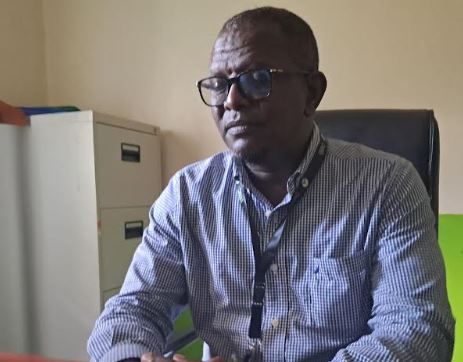
Speaking at his office in Chuka, the County IEBC Coordinator Mohamed Raka, expressed satisfaction with the rollout despite a low turnout on the first day.
“Today marks the start of physical registration activities across the county,” said Raka, adding, “Turnout has been low, which is expected on the first day, but we are hopeful it will improve steadily.”
The Coordinator called on all eligible Kenyans particularly youths who have recently acquired national identity cards to present themselves at registration centres to enlist as voters.
“We are targeting those who have received new IDs cards but have not registered. In Tharaka Nithi, we have identified 6,613 individuals in this category,” he noted.
According to Raka, the exercise is not limited to first-time voters only, as the registration process also allows for transfer of polling stations, targeting voters who wish to change their place of voting and also correction of personal details for those whose details contain errors in the current voter register.
“This is a comprehensive exercise. We are assisting citizens with transfers, corrections and new registrations,” Raka said.
While the exercise is continuous with no immediate deadline, the Coordinator encouraged early participation to avoid last-minute rush, which often leads to unnecessary congestion at the designated registration centres.
“This is not a one-day or one-week event. But we urge the public to register early to ensure their details are captured correctly,” he added.
The launch follows the recent government bold reforms aimed at improving access to national ID cards, which is a prerequisite for voter registration.
Among the key changes implemented by the Kenya Kwanza regime include removal of the Sh300 application fee for first-time applicants and the withdrawal of additional vetting procedures in some border regions.
This major policy shift is expected to ease the path for young people and first-time voters to participate meaningfully in the country’s future democratic processes.
By Dickson Mwiti and Christine Ngitori